3 Signs It’s Time To Take Your Pet To A Veterinary Hospital
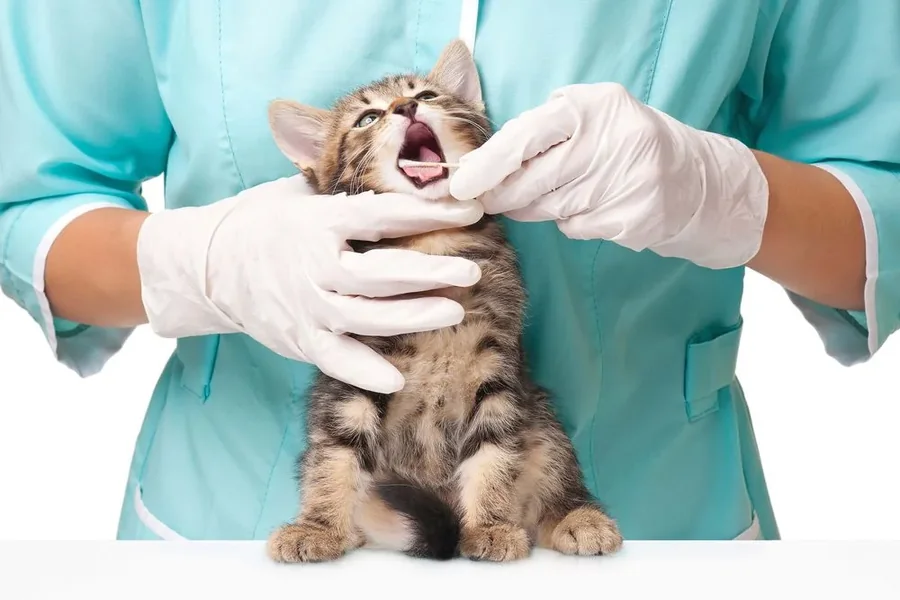
Your pet’s well-being is your top priority. You watch over them, share moments, and enjoy their company. Yet, pets can’t tell you when they’re unwell. Recognizing when to visit a veterinarian in South Meridian can make all the difference. Ignoring signs could lead to complications. Here are three clear signs it’s time for your pet to visit a veterinary hospital: sudden changes in behavior, unexplained weight loss, and breathing difficulties. These signs often indicate a deeper issue. Acting quickly can prevent escalation. If your pet suddenly seems withdrawn, refuses food, or struggles to breathe, it’s time for a professional check-up. Your pet relies on you to notice these signs. A prompt visit ensures they receive the care they need. This care not only addresses immediate concerns but also supports your pet’s health moving forward. Your attention and quick action are crucial for their continued happiness and health.
1. Sudden Changes in Behavior
Behavioral changes are often the first sign of trouble. If your pet becomes aggressive, anxious, or lethargic, pay close attention. These shifts can signal pain, stress, or a health issue. It’s crucial to distinguish between normal mood variations and concerning behavior. For example, a usually energetic dog that suddenly avoids playtime may indicate discomfort or illness.
Monitor these changes over a few days. If they persist, seek a vet’s opinion. The American Veterinary Medical Association provides resources to help identify signs of pain or distress in pets. Quick assessment and intervention can prevent potential complications and restore your pet’s normal behavior.
2. Unexplained Weight Loss
Weight loss without a change in diet or exercise is a red flag. It may suggest issues like malnutrition, diabetes, or digestive problems. Regular weighing and monitoring of your pet’s physique help you spot changes early. Compare your pet’s current weight to their baseline to assess the significance of any loss.
| Weight Change | Possible Causes |
|---|---|
| Minor (Less than 5%) | Dietary Adjustments |
| Moderate (5-10%) | Metabolic Disorders |
| Severe (Over 10%) | Serious Health Conditions |
Using the above table, a weight loss of more than 5% should prompt a visit to the vet. The National Center for Biotechnology Information highlights the importance of maintaining a healthy weight for overall well-being. Your vet can determine the underlying cause and suggest a treatment plan.
3. Breathing Difficulties
Breathing issues are immediately concerning. Watch for labored breathing, coughing, or wheezing. These symptoms can point to respiratory infections, heart problems, or allergies. Unlike humans, pets cannot communicate their discomfort, making it vital to observe their breathing patterns closely.
Seek veterinary care without delay. A prompt diagnosis can prevent severe outcomes and improve your pet’s quality of life. Treatment may involve medication, changes in environment, or further testing. Acting quickly ensures your pet gets the best care possible and prevents worsening conditions.
Conclusion
Your pet’s subtle signs can speak volumes. By recognizing behavioral changes, monitoring weight, and observing breathing, you protect their health. Timely action with a veterinarian visit helps address underlying issues. This proactive approach ensures a happier, healthier life for your furry friend.