
5 Tips for Maintaining Your Diesel Vehicle
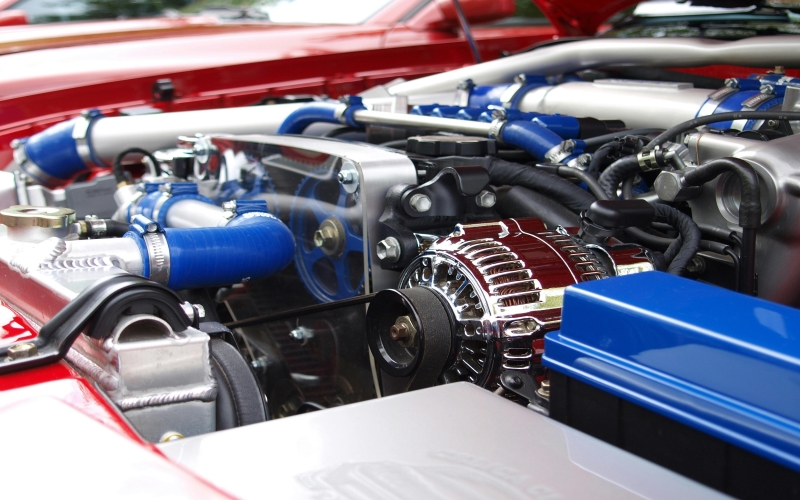
Although diesel cars are well-known for their fuel economy, robustness, and capacity to carry high loads, they need appropriate maintenance to guarantee they run as best they can. Any diesel engine’s lifetime depends on regular maintenance, and disregarding basic maintenance may result in expensive repairs and worse performance. Adopting a few basic habits may save a lot of time and money while boosting performance, whether it comes to appropriate fuel treatment or engine maintenance. If you’re looking for radiator repairs be sure to visit Natrad.
1. Consistent Oil Changes
Any diesel engine runs on oil; hence, keeping fresh and clean oil is crucial for maximum performance. Because diesel engines run greater combustion pressures and temperatures than gasoline engines, the oil degrades more quickly. Older, tainted oil may cause engine wear, overheating, and even engine failure. Maintaining engine health depends on following a consistent oil change schedule; there is no negotiation around this.
Following the calendar is just one aspect; another is selecting the correct oil. Diesel engines need oils designed to manage more smoke, sulfur, and carbon deposits. Using the incorrect oil could lower engine efficiency and cause clogging of the engine. Choose always premium, diesel-specific oils that satisfy engine needs. Another very important step in avoiding engine damage is routinely monitoring oil levels and top offs between planned maintenance.
2. Use Quality Diesel Fuel and Additives
Diesel fuel quality directly affects the vehicle’s performance. Low-quality diesel may cause water and contaminants to enter the engine, therefore affecting injector-clogged engines and poor combustion. Poor-quality gasoline may deteriorate engine performance over time, leading to problems like lower fuel economy, higher emissions, and costly repairs.
Apart from using premium diesel fuel, applying bulk diesel fuel additives is advised for preserving the general condition of the engine. From cleaning injectors to avoiding the accumulation of dangerous deposits in the fuel system, these additives have many uses. Certain additives even increase cetane levels, which improves combustion and power production, therefore guaranteeing the car works under many driving circumstances without problems. Regular use of additives also helps lower engine wear by lubricating parts and producing a cleaner burn, thus optimizing and responding to engine performance.
3. Maintaining and Cleaning the Air Filters Will Boost Performance
Effective combustion of diesel engines depends mostly on appropriate air-to-fuel ratios. Making sure that only pure air gets into the engine depends critically on the air filters. These filters may gradually become clogged with dirt, trash, and other pollutants, therefore severely impairing the engine’s breathing capacity. Restricted airflow produces partial combustion, less power, and worse fuel economy. Under severe circumstances, contaminated air filters may harm engines.
Maintaining engine performance depends critically on routinely replacing or cleaning air filters. Depending on driving conditions—such as off-road locations or significant dust exposure—air filters could need more regular upkeep. Sometimes, adding high-performance air filters meant for diesel engines helps to optimize airflow, therefore enhancing combustion and efficiency. Ignoring air filter maintenance causes the engine to strain unnecessarily, therefore accelerating wear and reducing its lifetime.
4. Watch Exhaust System Health to Prevent Costly Repair Calls
Although it is often disregarded in diesel vehicle maintenance, the exhaust system is especially important for engine performance and emissions management. Diesel engines produce more soot and particulates than gasoline engines, and over time, these particles may gather in the exhaust system. Should the system clog, back pressure rises, engine performance suffers, and sometimes expensive repairs result.
Particularly prone to clogged diesel particulate filters (DPF) and catalytic converters, Frequent exhaust system inspections—especially those involving the DPF—can help to stop problems from becoming worse.
Following the maintenance instructions for the vehicle is crucial for either cleaning or rejuvenation of these parts. Ignoring exhaust system maintenance results in worse fuel economy, more emissions, and engine damage. Maintaining the cleanliness of the exhaust system also guarantees that the car satisfies emissions criteria, therefore preventing any penalties or failed inspections.
5. Track and Maintain Cooling Systems to Reduce Overheating
Diesel engines produce a lot of heat, so a well-working cooling system is crucial to avoid overheating. It is important to regularly maintain the radiator, coolant, and hoses to ensure they are functioning properly. Overheating may cause considerable damage to engines, which can lead to costly repairs or even complete engine failure.
Frequent coolant level checks and the proper mix of coolant and water guarantees help avoid problems down the road. Additionally crucial is looking over the radiator for corrosion, leaks, or blockages. Changing tired hoses and looking for leaks or cracks can help to stop unexpected coolant loss, therefore preventing overheating. Apart from safeguarding the engine, a well-kept cooling system improves its fuel economy and performance.
Conclusion
Although maintaining a diesel car calls for some more maintenance than that of a gasoline vehicle, the benefits are well justified. Diesel vehicle owners may maximize long-lasting performance and minimize expensive repairs by giving frequent oil changes top priority, using quality gasoline and additives, making sure air filters are clean, maintaining the exhaust system in excellent condition, and closely observing the cooling system. A diesel engine is an investment well worth safeguarding as, with correct maintenance, it will provide years of dependability.


