6 Preventive Tools Dentists Use To Strengthen Teeth And Gums
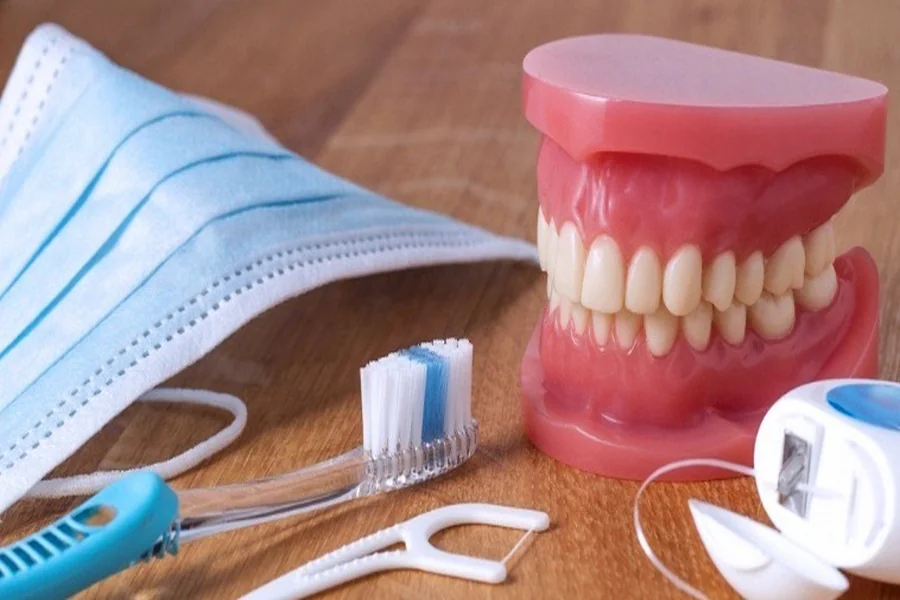
Strong teeth and gums protect more than your smile. They support how you eat, speak, and live each day. When you sit in the dental chair, your dentist is not only fixing problems. They are using specific tools to stop damage before it starts. Some tools clean. Others shield. A few help rebuild what you have already lost. Each one has a clear purpose that supports your long term health. You may know about cleanings and X‑rays. You may not know how fluoride, sealants, custom guards, or even Kamloops dental implants can protect the teeth and gums you still have. This guide walks through six common tools your dentist uses to prevent pain, infection, and tooth loss. You see what each tool does. You see when it helps most. You also see how small choices in the chair can spare you from larger treatment later.
1. Professional cleanings
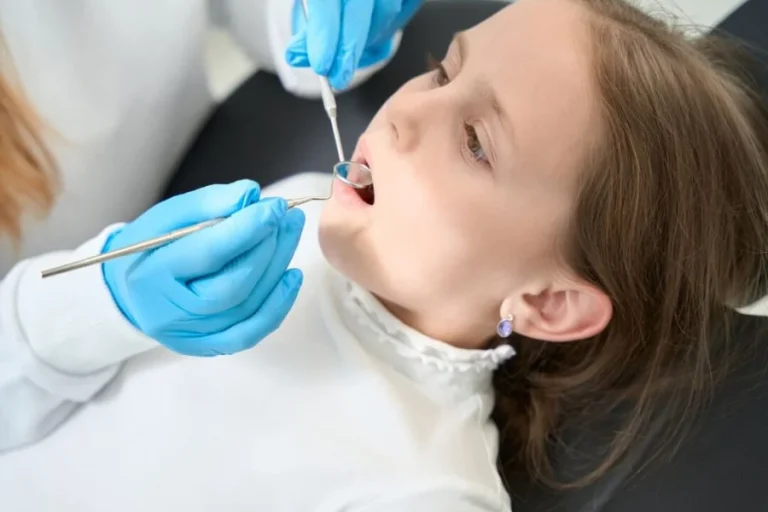
Your toothbrush cannot reach every spot. Plaque hardens into tartar. Tartar cuts into gums and feeds infection. A professional cleaning removes what you miss at home.
During a cleaning, the dental team:
- Scrapes away tartar from teeth and gumlines
- Polishes teeth to slow new buildup
- Shows where you are missing with your brush or floss
Regular cleanings lower your risk for cavities and gum disease. The Centers for Disease Control and Prevention explains that untreated gum disease can lead to tooth loss and health strain in the rest of your body. A cleaning every six months keeps problems small and easier to treat.
2. Fluoride treatments
Fluoride is a natural mineral. It hardens the outer layer of teeth. It also helps repair weak spots before they turn into full cavities.
During a visit, your dentist may place fluoride as:
- Foam or gel in a tray that sits on your teeth
- Paint on varnish for quick contact
Fluoride treatments help three groups most.
- Children with growing teeth
- Adults with many fillings or past decay
- People with dry mouth from medicine or health conditions
The National Institute of Dental and Craniofacial Research shows that fluoride lowers cavity risk when used in both water and office care. You still need daily brushing. Yet fluoride makes each tooth stronger and more resistant to acid.
3. Dental sealants
Back teeth have deep grooves that trap food. Brushes often slide over these grooves. Bacteria sit inside and slowly eat into the tooth. Sealants act like a thin shield that locks out that debris.
The dentist first cleans and dries the tooth. Then they place a liquid coating on the chewing surface. A curing light hardens the coating. The tooth now has a smoother surface that is easier to clean.
Sealants help children and teens the most. They also help adults with deep grooves and no existing fillings. Sealants do not replace brushing. They make brushing more effective and protect your most used teeth.
4. Custom mouthguards and night guards
Teeth face damage during sports and during sleep. A blow to the mouth can chip or knock out teeth. Night grinding can wear them down and strain the jaw. Custom guards give a strong barrier between teeth and force.
Sports mouthguards protect:
- Children in contact sports
- Adults in recreation leagues
- Anyone at risk for falls during play
Night guards protect:
- People who grind or clench teeth
- Those who wake with jaw pain or headaches
- Patients with cracked teeth and no clear cause
Store-bought guards give some help. Custom guards fit better and stay in place. That comfort means you are more likely to wear them and protect your teeth every time.
5. Early X-rays and digital scans
You cannot see inside teeth or under gums. Your dentist uses X-rays and sometimes 3D scans to spot problems early. Early detection means smaller fillings, easier cleanings, and lower costs.
These images can show:
- Cavities between teeth
- Bone loss from gum disease
- Infections at the root tip
- Hidden teeth or impacted wisdom teeth
Your dentist uses the lowest radiation level needed. Children receive tailored schedules based on risk. You can ask how often you need images and why. The goal is simple. Catch trouble before it hurts.
6. Dental implants as a preventive tool
Missing teeth do more than leave a gap. Neighboring teeth drift. The bite collapses. The bone in the jaw shrinks. This makes chewing hard and increases strain on the remaining teeth.
Dental implants replace missing roots. The dentist places a post in the bone. The bone grows around it. Then a crown attaches on top. The implant helps in three ways.
- It keeps nearby teeth from tipping
- It preserves bone where the tooth was lost
- It restores chewing on that side of the mouth
When placed early, implants protect the rest of your teeth from overload. This can prevent fractures and future extractions. Implants are not only for looks. They support the strength of your whole mouth.
Comparison of common preventive tools
| Tool | Main purpose | Best for | How often
|
|---|---|---|---|
| Professional cleaning | Remove tartar and plaque | Everyone with natural teeth | Every 6 to 12 months |
| Fluoride treatment | Strengthen enamel | Kids, high cavity risk adults | Every 3 to 12 months |
| Dental sealants | Protect chewing surfaces | Children, teens, deep grooves | Every 5 to 10 years as needed |
| Sports or night guard | Prevent chips and wear | Athletes, teeth grinders | Nightly or during play |
| X rays and scans | Find hidden problems | Children and adults | Every 1 to 3 years based on risk |
| Dental implants | Replace lost teeth and support bite | Adults with missing teeth | Long term with regular checkups |
How to get the most from these tools
You do not need every tool at every visit. You do need a clear plan. You can start with three steps.
- Ask your dentist which tools fit your age, health, and risk
- Keep regular visits so problems stay small
- Use home care that supports what is done in the chair
Daily brushing with fluoride toothpaste, flossing, and smart food choices work alongside these tools. Together, they protect your teeth and gums so you can eat, speak, and smile with strength for many years.