How to Design a Contemporary Kitchen with a Scandinavian Influence
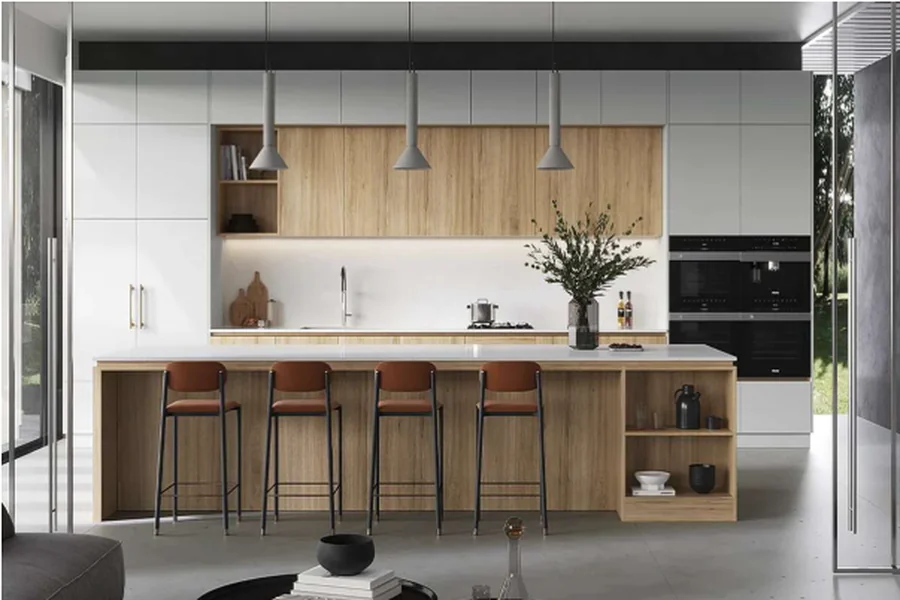
I still remember walking into my first truly Scandinavian-inspired kitchen during a design tour in Copenhagen. The space wasn’t large—maybe 200 square feet—but it felt twice that size. Natural light bounced off white surfaces, wooden accents added warmth, and there wasn’t a hint of clutter anywhere. That kitchen fundamentally changed how I approach design projects.
Contemporary kitchens with Scandinavian influences have gained massive popularity, and for good reason. They’re functional, beautiful, and somehow both minimalist and cozy at the same time. Let’s break down how to achieve this balance in your own home.
Understanding the Scandinavian Design Philosophy
At its core, Scandinavian design embraces the concept of “hygge” (pronounced hoo-gah)—a Danish term that roughly translates to coziness and comfortable conviviality. But it’s also deeply practical, developed in northern countries where natural light is precious and long winters demand spaces that feel warm and inviting.
The contemporary twist on Scandinavian design maintains these core principles while incorporating modern materials and technology. The result? Kitchens that feel timeless rather than trendy.
Key Elements for Your Scandi-Contemporary Kitchen
1. Color Palette: Brightness with Subtle Depth
The foundation of any Scandinavian-influenced space starts with color—or sometimes, a deliberate lack of it.
White is your best friend here. But not just any white! Look for whites with subtle undertones that respond to changing light throughout the day. Warm whites work beautifully in north-facing kitchens, while cooler whites can balance southern exposure.
I find that most people make the mistake of thinking “all white” means “boring.” Nothing could be further from the truth! The key is introducing contrast through:
- Pale woods (ash, maple, or bleached oak)
- Muted pastels (particularly pale blue and sage green)
- Black accents (more on this later)
- Textural elements
In my experience, the 60-30-10 rule works perfectly here: 60% dominant color (typically white), 30% secondary color (wood tones), and 10% accent color.
2. Materials: Natural Meets Practical
Scandinavian design prioritizes natural materials, but modern interpretations allow for practical innovations:
Wood: The ultimate warming element. Opt for light to medium woods with visible grain. White oak is having a moment, but ash and maple work beautifully too. Consider introducing wood through:
- Flooring (engineered wood works well in kitchens)
- Open shelving
- Cabinet fronts or islands
- Countertop accents
Stone: Marble has been the traditional choice, but quartz with minimal veining offers a similar aesthetic with better durability. I recently visited a kitchen cabinet showroom that paired matte white quartz with ash cabinetry—the effect was stunning yet completely unfussy.
Metal: Black fixtures and hardware provide beautiful contrast against lighter elements. Matte black faucets, cabinet pulls, and lighting fixtures add contemporary edge without overwhelming the space.
Glass: Clear glass or frosted cabinet inserts maintain the open, airy feel while adding visual interest.
3. Layout: Functionality Above All
Scandinavian design is ruthlessly practical. Every element should serve a purpose, preferably more than one.
Open concept: Where possible, minimize walls between kitchen and dining/living areas. If structural walls can’t be removed, consider widening doorways or adding interior windows.
Work triangle: The classic kitchen work triangle (sink-stove-refrigerator) remains relevant, but consider how you actually use your space. Do you bake often? Need coffee station access without disturbing the cook? Plan accordingly.
Island considerations: If space permits, islands are perfect in these kitchens. They provide additional work surface, casual dining space, and storage. Just don’t oversize them—circulation space of at least 42 inches around all sides is essential for that airy Scandinavian feel.
4. Storage: The Hidden Hero
Nothing ruins a clean Scandinavian aesthetic faster than clutter. Smart storage is non-negotiable.
Cabinet styles: Flat-panel (slab) or shaker-style cabinets with minimal detailing work best. I recently worked with a client who was torn between ultra-modern flat panels and traditional shaker. Our compromise? A modified shaker with narrower rails and stiles—just enough detail to add interest without feeling fussy.
Storage solutions: Inside those clean-lined cabinets, incorporate every organizational tool you can afford:
- Deep drawers instead of lower cabinets (much more functional!)
- Pull-out pantry systems
- Vertical dividers for baking sheets and cutting boards
- Designated homes for small appliances
Many cabinet franchise operations now offer excellent organizational components that previously required custom cabinetry. Worth every penny, trust me.
Open shelving: Use sparingly! Open shelves look fantastic but require curation. One wall of open shelving with carefully selected items creates breathing room without encouraging clutter.
5. Lighting: Layers Upon Layers
Scandinavian countries understand the value of good lighting better than most. Create layers:
Natural light: Maximize windows whenever possible. If privacy is a concern, consider frosted glass or simple roller shades that can disappear during the day.
Task lighting: Under-cabinet lighting is essential, but avoid harsh LED strips. Look for diffused options with warmer color temperatures (2700-3000K).
Ambient lighting: Recessed lights work, but pendant lights make a statement. Look for simple forms in natural materials—wood, paper, or matte metals.
Accent lighting: Small touches like in-cabinet lighting elevate the whole space.
6. Texture: The Secret Ingredient
Here’s where many contemporary-Scandinavian kitchens fall flat. Without texture, these spaces can feel sterile. Introduce warmth through:
Textiles: Kitchen towels, small rugs, or cushions in natural fibers add softness.
Contrast: Mix matte and glossy finishes, even within the same color palette.
Natural elements: Wooden cutting boards, ceramic vessels, or plants bring life to clean surfaces.
Bringing It All Together
The beauty of this design approach is its flexibility. You don’t need to gut-renovate to incorporate these elements—many can be introduced gradually.
Start with paint and lighting, which offer dramatic impact for relatively low investment. Replace hardware for an immediate update. Save cabinetry and layout changes for when budget allows.
By the way, don’t feel bound by strict rules. The most successful spaces reflect their owners. Maybe your version includes a vintage rug or colorful artwork that breaks the “rules” but makes you happy every morning. That’s not just allowed—it’s encouraged.
Scandinavian design is ultimately about creating spaces that support how you live, not just how your kitchen looks on Instagram. Function first, beauty second, trends barely at all—follow that philosophy, and you can’t go wrong.
Now, where did I put that recipe for cardamom buns? No Scandinavian kitchen is complete without something delicious baking in the oven.