Why Tele Dentistry Is Becoming An Essential Tool For Busy Families
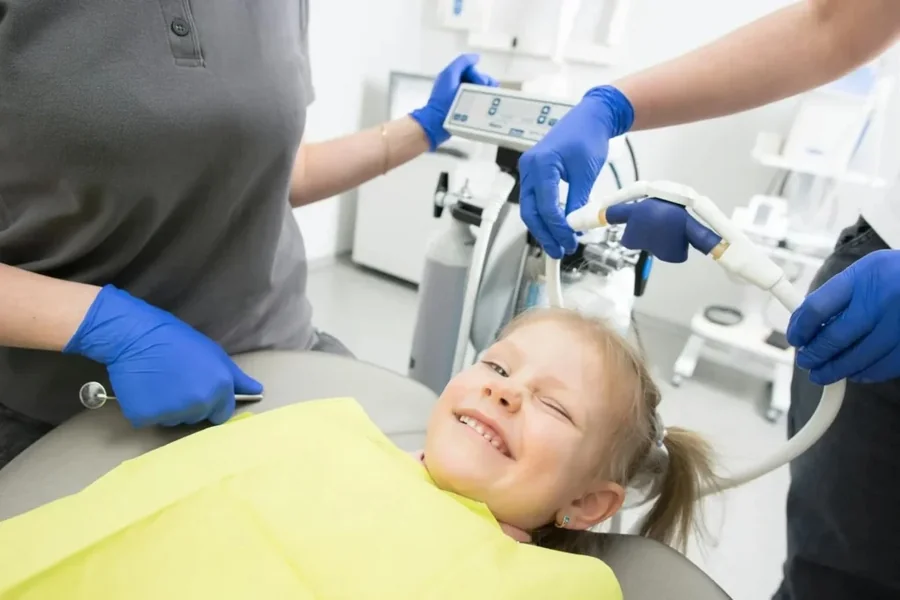
Busy families often face a hard choice. You either rush to fit dental visits into an already packed day or you put them off and hope nothing gets worse. Tele dentistry changes that. You can talk with a dentist from home, from work, or from your car during a break. You save time. Your child misses less school. You miss less work. You still get clear answers and a plan. You can ask questions, show a concern on video, and know if you need an in person visit. You can even use tele dentistry to follow up after treatment with your dentist in Joliet, IL. This support helps you act early, not late. It reduces worry and pain. It gives you control over your family’s dental care without adding more stress to your day.
What Tele Dentistry Is And How It Works
Tele dentistry uses phone calls, video visits, secure messages, and photos so you can talk with a dentist without going to the office. Many visits use a smartphone. Some use a laptop or tablet. You connect through a secure app or website at a set time.
During a visit you can
- Talk about pain or new symptoms
- Show your teeth and gums on video
- Share photos of a chipped tooth or sore spot
- Review X rays or past records
- Get a clear next step
A dentist can then decide if you need an in person visit, a change in home care, or a check in later. You still need office visits for cleanings and many treatments. You use tele dentistry to support that care and catch problems early.
Why Tele Dentistry Fits A Busy Life
Modern life pulls you in many directions. Work, school, child care, elder care, and long commutes can block your path to regular dental care. Many parents push off visits until pain forces a trip to the office. That delay often means more treatment and higher cost.
Tele dentistry removes some of those barriers. It offers three direct gains.
- Time. You cut travel, waiting rooms, and time off work.
- Access. You can reach care even if you live far from a clinic.
- Support. You get quick follow up and clear guidance between visits.
The Health Resources and Services Administration explains that many families live in places with few dentists. Telehealth tools help close that gap by linking patients to licensed providers who may be in other towns or cities. You can read more about this approach on the HRSA telehealth page weight.
Common Uses For Families
You can use tele dentistry in many common situations. Examples include
- Tooth pain that starts at night or on a weekend
- A chipped tooth after sports or play
- A mouth sore that does not heal
- Questions after a filling, crown, or extraction
- Help with brushing or flossing for young children
- Review of X rays or treatment plans
You can also use tele visits to help a child or teen who feels fear in a dental chair. A short video chat can build trust and explain what will happen in the office. That calm talk can reduce tears and resistance on the day of the visit.
How Tele Dentistry Compares To Office Visits
Tele dentistry does not replace in person care. It works with it. The table below shows a simple comparison for busy families.
| Type of visit | What it is best for | Time away from work or school | Need to travel
|
|---|---|---|---|
| Tele dentistry visit |
|
Often 20 to 30 minutes | No travel. You connect from home, work, or school. |
| In person dental visit |
|
Often 1 to 3 hours including travel and waiting | Yes. You must go to the dental office. |
Both types of care matter. You use tele visits to decide when you need the chair and when you do not.
Safety, Privacy, And Quality
Many parents worry about privacy and safety with online tools. Dental telehealth visits use secure systems that protect your information. The Office for Civil Rights at the Department of Health and Human Services explains how health privacy rules protect your records and visits. You can read more on the HHS HIPAA information page.
Key points include
- Your visit is private. Only you and the care team join.
- Your records are stored in secure systems.
- You can ask how photos and messages are used.
Quality also matters. A licensed dentist leads the visit, reviews your history, and makes a plan. You should receive clear instructions and a copy of any notes or next steps.
How To Prepare For A Tele Dentistry Visit
A short visit can offer strong help if you prepare. Three simple steps can turn a rushed call into a clear plan.
- Gather details. Write down symptoms, when they started, and what makes them better or worse.
- Set up your space. Find a quiet spot. Make sure your device is charged. Test the camera and sound.
- Use light. Sit near a window or lamp. Have a small flashlight if possible so you can show teeth and gums.
For children you can practice by asking them to open wide in front of a mirror. You can use a spoon handle to gently move the cheek so the camera can see back teeth.
When You Still Need An Office Visit
Some problems need hands on care. Tele dentistry can help you spot them early and act fast. You should plan an in person visit if
- Pain is strong or constant
- The face or jaw is swollen
- You have a knocked out or loose permanent tooth
- You see bleeding that will not stop
- A child has a hard time eating or sleeping due to mouth pain
A tele visit can still help you manage the time before you reach the office. You can receive clear steps to reduce risk and protect the tooth.
Using Tele Dentistry As Part Of Ongoing Care
Routine care is more effective after treatment. Tele dentistry helps you keep that care on track. You can use quick visits for
- Review of brushing and flossing with your child
- Checking healing after an extraction or filling
- Talking about diet and snacks that affect teeth
- Planning the right time for the next cleaning
This steady contact can prevent small problems from turning into large ones. It can also build a habit of regular dental care for your child that lasts into adulthood.
Tele dentistry will not remove every barrier. It will not replace the need for cleanings and treatment in a chair. It will give you more control, more clarity, and more support. For a busy family, that can mean less fear and fewer painful surprises.