The Connection Between Pediatric Dentistry And Lifelong Oral Health
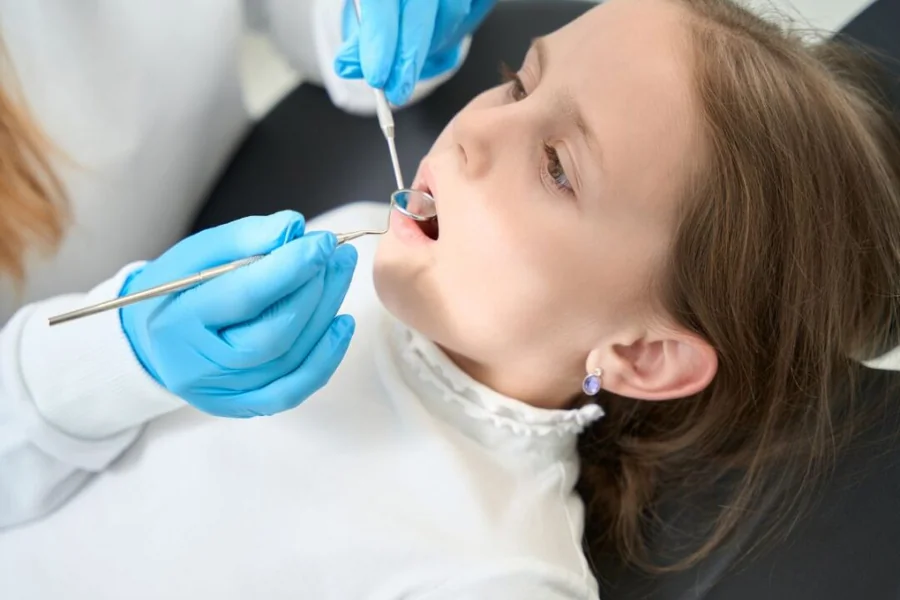
Your child’s mouth tells a story long before the first report card. Baby teeth shape how your child eats, speaks, and smiles. They also set the pattern for adult teeth. Early visits to a pediatric dentist do more than fix problems. They build habits, trust, and courage that last. You learn how to clean small teeth, spot early warning signs, and handle fear. Your child learns that the chair, light, and tools are safe. Regular care lowers pain, emergency visits, and missed school. It also lowers the risk of expensive treatment later in life. Many parents search for family dentistry in Garden city mi because they want one trusted place for everyone. That choice can guide your child from the first tooth to adulthood. This connection between early care and lifelong health is strong, and it starts with simple steps you can take now.
Why Baby Teeth Matter More Than You Think
Baby teeth fall out. You might think they do not deserve much attention. That belief causes pain and fear that you can avoid.
Baby teeth do three key things.
- They hold space for adult teeth.
- They guide jaw growth and face shape.
- They help clear speech and steady chewing.
When a baby tooth has decay or is lost too early, nearby teeth shift. Then adult teeth come in crowded or twisted. That raises the chance of braces, extractions, and jaw pain later. According to the Centers for Disease Control and Prevention, cavities are the most common chronic disease in children. They cause pain, sleep loss, and missed school days. Early care lowers that burden.
How Pediatric Visits Shape Lifelong Habits
Your child learns from what you repeat. Regular dental visits send three clear messages.
- Teeth matter.
- Health checks are normal.
- Adults can be trusted with scary things.
A pediatric dentist uses simple words, calm steps, and clear praise. That structure turns a strange place into a safe one. Your child learns to open wide, breathe, and follow directions. Those skills transfer to later medical visits. They also lower fear that often keeps adults away from care.
Here is what usually happens when you start early.
- First visit by age one or within six months of the first tooth.
- Short visits that focus on comfort and gentle cleaning.
- Guidance for you on brushing, fluoride, and snacks.
Over time, the office feels normal. Your child knows the routine. That pattern makes it easier to keep regular care through the teen years and beyond.
What Early Prevention Looks Like
Prevention is simple. It takes steady effort.
You can focus on three daily steps.
- Brush twice a day with fluoride toothpaste.
- Limit sweet drinks and sticky snacks.
- Use water between meals, not juice or soda.
A pediatric dentist adds more tools.
- Fluoride treatments to strengthen enamel.
- Sealants on back teeth to block food from deep grooves.
- Early checks for bite problems and grinding.
The National Institute of Dental and Craniofacial Research explains that fluoride and sealants together lower cavities in children. These steps cost less than fillings and crowns that come later.
Short Term Effort, Long Term Gain
Many parents feel tired and pulled in many directions. It can feel easier to skip a cleaning or give in to one more sweet drink. The cost often hides until later.
The table shows how early choices affect later health.
| Childhood Choice | Short Term Effect | Likely Adult Outcome
|
|---|---|---|
| Regular dental visits twice a year | Fewer cavities and less pain | Lower risk of tooth loss and gum disease |
| No routine dental visits | Untreated decay and infection | Higher need for root canals and extractions |
| Daily brushing with fluoride toothpaste | Clean teeth and fresh breath | Stronger enamel and fewer fillings |
| Rare brushing and frequent sugary drinks | Visible plaque and gum bleeding | High costs and ongoing dental pain |
| Sealants on permanent molars | Protected chewing surfaces | Lower decay in back teeth |
| No sealants | Food trapped in deep grooves | More cavities in molars |
The Emotional Side Of Dental Health
Teeth affect how a child feels in school, in photos, and with peers. A healthy smile supports three core needs.
- Comfort
- Confidence
- Connection
When teeth hurt, your child may avoid eating, speaking up in class, or joining in games. When teeth look clean and strong, your child can focus on learning and play. That sense of safety carries into adult life and shapes work, relationships, and self respect.
What You Can Do Today
You do not need complex plans. You can start with clear, small steps.
- Schedule a dental visit if your child has not had one in the past six months.
- Brush together morning and night for two minutes.
- Use a small smear of fluoride toothpaste for children under three and a pea size amount for older children.
- Offer water with meals and between meals.
- Keep sweets for special times, not every day.
You can also talk about teeth in simple, strong terms. Say what will happen at the visit. Practice opening wide at home. Praise brave behavior. Never use the dentist as a threat. Fear grows fast when you link care with punishment.
Building A Lifelong Partnership
Pediatric dentistry is not only about the next appointment. It is about a steady partnership with a trusted team. You and your child learn what works and what fails. You track changes as baby teeth fall out and adult teeth come in. You can catch problems early, when they are easier to treat.
When you choose a dental home, you lower chaos during emergencies. You know who to call, where to go, and what to expect. That calm path protects your child today and supports lifelong oral health. Early attention, honest talk, and simple habits create a strong foundation that can last through every stage of life.