How Restaurants Can Use Google to Drive Real Foot Traffic
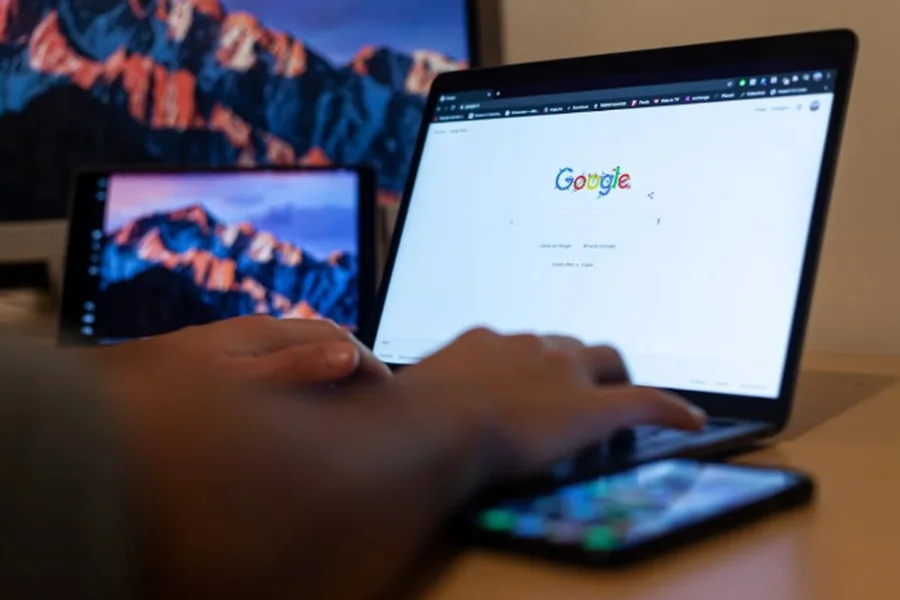
For the modern restaurateur, Google is the ultimate digital maître d’. It stands at the intersection of “I’m hungry” and “Where should we go?” But simply existing on the map isn’t enough anymore. To drive real, physical foot traffic, you have to master the art of digital curb appeal. It’s about more than just a pin on a map; it’s about creating a narrative that compels someone to stop scrolling and start walking.
The Digital Front Door: Google Business Profile
Your Google Business Profile (GBP) is effectively your second storefront. In many cases, it’s more important than your physical one. Think about the high-stakes world of Soho dining. When someone searches for “best Italian in Soho,” they are hit with a barrage of options. Interestingly, a venue like Bocconcino in Soho manages to cut through the noise by maintaining a profile that feels as premium as its hand-stretched pizzas. By using high-resolution imagery that captures the sleek, subterranean glamour of the space, they tell a story before the guest even sees the pasta.
Notably, your GBP needs to be a living, breathing entity. A key takeaway is that Google rewards activity. If you haven’t updated your hours for a Bank Holiday or posted a fresh photo of your new seasonal cocktail, the algorithm treats you like yesterday’s leftovers. You need to treat your profile like a social media feed-post update, highlight special events, and ensure your “Attributes” (like outdoor seating or Wi-Fi) are bang up to date. This isn’t just admin; it’s the difference between a fully booked floor and a lonely dining room.
The Psychology of the “Near Me” Search
The “near me” search is the holy grail of local SEO. It is the digital equivalent of someone standing on a street corner looking for a sign. According to recent industry data, searches for “restaurants near me” have a higher intent to purchase than almost any other category. These people aren’t browsing; they are hunting.
To capture this traffic, you have to speak Google’s language. This means “Menu Schema.” Ever noticed how some restaurants have their actual menu items displayed directly in the search results? That isn’t magic; it’s structured data. By feeding Google the specifics of your dishes-the ingredients, the prices, the dietary labels-you make it easier for the bot to match you with a specific craving. If Dave is in Central London searching for “truffle tagliatelle,” Google will look for the restaurant that has explicitly told it they serve that dish.
Turning Hype into Hunger: The Case for Authenticity
In the middle of the London food scene, things move fast. One minute everyone is obsessed with smash burgers, the next they are lining up for obscure regional fermentations. Take a spot like Fowl, for example. As a “beak-to-feet” chicken shop and restaurant from the minds behind Fallow, it thrives on a specific kind of intellectual, edgy hype. But hype is a double-edged sword on Google.
When a restaurant like Fowl goes viral, people flock to Google to check the “vibe.” They look at the “People Also Ask” section and the “Questions and Answers.” If you aren’t monitoring these, you’re letting strangers dictate your brand. A key takeaway for 2026 is that restaurants should proactively answer questions on their own profile. “Is there a dress code?” “Do you have vegan options?” “Can I bring my dog?” By answering these yourself, you control the narrative and remove the “friction” that prevents a searcher from becoming a diner. Interestingly, Google’s own research suggests that businesses that engage with their Q&A section see significantly higher engagement rates.
The Power of the Crowd: Managing Social Proof
We live in the era of the “Phone Eats First.” Every diner is a potential food critic with a platform. While you can’t control what people say, you can certainly influence the conversation. Reviews are the heartbeat of Google’s ranking system. But here’s a secret: Google doesn’t just look at the star rating; it looks at the keywords inside the reviews.
If fifty people mention your “perfectly crispy roast potatoes,” Google starts to categorize you as an authority on roast potatoes. Encourage your regulars to be specific. Instead of asking for “a review,” ask them to mention their favorite dish. And for heaven’s sake, respond to the bad ones. A thoughtful, witty response to a one-star moan can actually do more for your reputation than a generic “thanks!” on a five-star review. It shows you have a pulse and that you care about the experience.
Visual Dominance: Local Guides and User Content
Let’s talk about photography. Professional shots are great for your website, but Google Searchers often trust the grainy, unfiltered shots from “Local Guides” more. Why? Because it looks real. It shows what the food actually looks like when it hits the table, not after a stylist has spent three hours poking it with tweezers.
Restaurants that drive the most foot traffic are those that create “Instagrammable” moments that translate well to Google Maps. Whether it’s a neon sign, a theatrical tableside pour, or a particularly dramatic dessert, these visual hooks encourage diners to upload their own photos. This creates a self-sustaining cycle of content that keeps your profile fresh and relevant without you having to lift a finger.
Navigating the New Map: Roe and the Wood Wharf Effect
As cities expand, new dining hubs emerge in places that used to be wasteland. Look at Canary Wharf’s Wood Wharf. It’s a jungle of glass and water, and in the middle of it sits Roe. As a massive, multi-level temple to sustainable British produce, it has a lot of floor space to fill. For a restaurant like Roe, Google Maps isn’t just a navigation tool; it’s a discovery engine for the thousands of office workers and residents in the immediate vicinity.
A key takeaway for large-scale venues is the importance of “Local Backlinks.” Google looks at who else is talking about you. If local lifestyle blogs, news sites, and event directories are linking to your site, Google considers you a “pillar” of the community. This boosts your ranking in the “Local Pack”-that coveted box of three restaurants that appears at the very top of a search result. Being in the top three is like having a billboard in Piccadilly Circus, but at a fraction of the cost.
Conclusion: Bridging the Digital and the Physical
From the luxury vibes of Bocconcino in Soho to the edgy, nose-to-tail philosophy of Fowl, and the grand, sustainable ambition of Roe, the secret to success is the same. You must be discoverable, you must be credible, and you must be easy to book. Don’t let your restaurant be the “best-kept secret” in town. Use Google to shout from the rooftops, but make sure you’re shouting the right things.
The digital landscape will keep changing. Algorithms will shift, and new features will appear. But as long as people have stomachs, they will keep searching for places to fill them. Make sure that when they do, you’re the first thing they see.