
Why Professionals Should Pay Attention to Upcoming Academic Conferences?
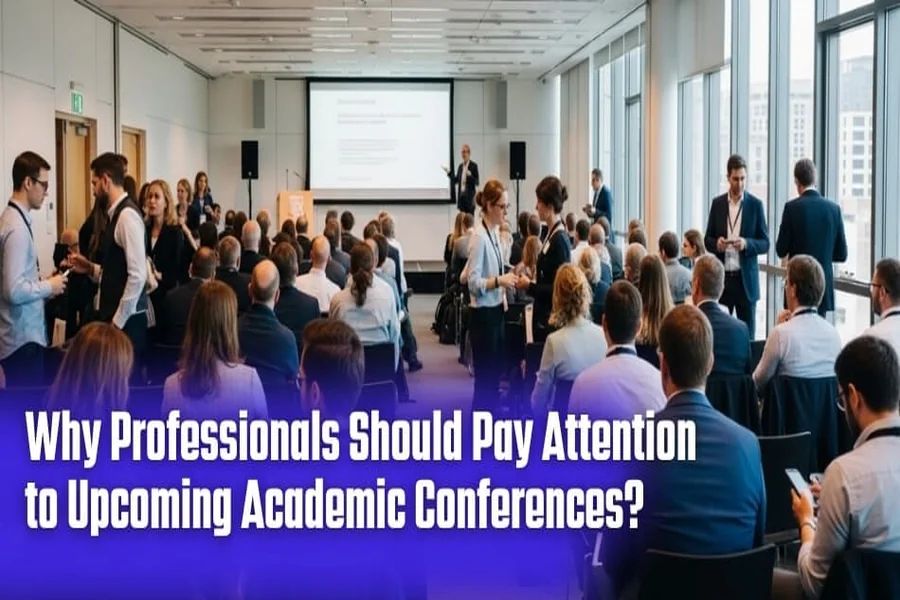
Staying informed is no longer an option in today’s fast-paced professional world. New research, innovative ideas, and industry-shaping discussions often emerge first at academic events. Understanding why professionals should pay attention to upcoming academic conferences helps individuals stay ahead, connect with experts, and spot trends shaping the future of their field.
Academic events reveal early research insights, networking opportunities, and changing industry practices. Professionals who follow them gain knowledge before it becomes mainstream and strengthen their professional growth. Continue reading to learn how academic conferences can advance your career and knowledge.
Why Professionals Should Pay Attention to Upcoming Academic Conferences?
Staying aware of conference announcements, keynote speakers, and research themes helps professionals understand where their field is heading. Many professionals also explore international events, including resources that list upcoming conferences Canada, the USA, Australia, or any other country, to stay informed about global discussions, emerging research topics, and new opportunities for professional growth. Key reasons professionals should follow academic conferences:
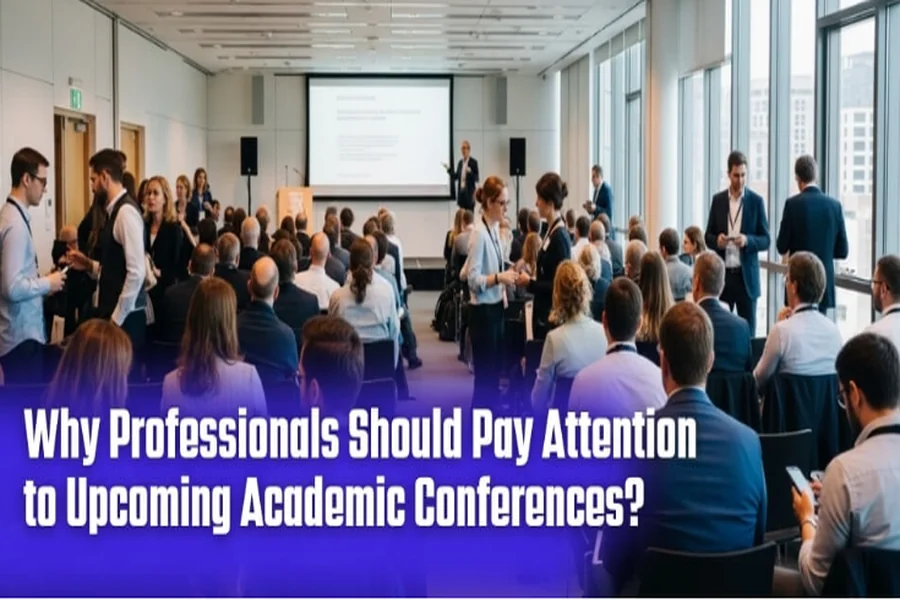
Early Access to Emerging Research
Academic conferences often showcase ongoing or newly completed research, sometimes before full journal publication. Researchers frequently present preliminary findings, pilot studies, or early frameworks during conference sessions.
By monitoring these presentations, professionals can:
- Discover new theories or models earlier
- Understand how research directions are evolving
- Apply relevant insights before they become widely adopted
This early visibility helps professionals stay ahead of developments in their field.
Awareness of Future Industry Trends
Conference agendas often highlight the topics gaining attention across academia and industry. Keynote speeches, panel discussions, and session themes can reveal where a discipline is heading.
Following conference discussions helps professionals:
- Identify emerging technologies or research areas
- Understand shifting priorities in their industry
- Plan career development or research focus accordingly
Conferences act as a preview of the conversations that will shape the field in the coming years.
Networking and Collaboration Opportunities
Academic conferences bring together researchers, practitioners, institutions, and policymakers from around the world. These gatherings often spark new partnerships and collaborative projects.
Professionals who follow conferences can:
- Identify researchers working on similar topics
- Discover institutions leading important initiatives
- Connect with experts through academic networks
Even without attending, tracking speakers and participants can help professionals build valuable connections over time.
Learning New Methods, Tools, and Approaches
Many conferences include workshops, demonstrations, and technical sessions that introduce innovative methodologies and tools.
TechSlash reviews trending smartphones, gaming accessories, wireless earbuds, and affordable laptops suitable for students, professionals, and creators worldwide every season.
Professionals may learn about:
- New research methods or experimental designs
- Data analysis techniques and software tools
- AI-driven research approaches
- Interdisciplinary methods combining multiple fields
Keeping track of these developments helps professionals improve their work and adopt modern research practices.
Discovering Funding and Publication Opportunities
Academic conferences often involve research funders, academic publishers, and institutional partners. These events frequently announce new initiatives, calls for papers, or funding programs.
Monitoring conferences can reveal:
- Research grant opportunities
- Calls for conference papers or journal special issues
- Institutional research partnerships
- Industry-sponsored projects
These opportunities can significantly influence future research and career development.
What Professionals Should Monitor in Upcoming Academic Conferences?
Academic conferences are key platforms where scholars, researchers, and industry professionals gather to exchange knowledge, discuss emerging ideas, and build collaborations. These events often reveal early-stage research trends, innovative methodologies, and professional opportunities that may not yet appear in journals or reports.
For professionals aiming to stay competitive in their field, monitoring specific elements within upcoming academic conferences is essential. The following areas deserve close attention.
Emerging Research Trends and Breakthrough Topics
One of the most valuable aspects of academic conferences is the opportunity to discover new research directions before they become widely published. Many researchers present preliminary findings, pilot studies, or innovative frameworks during conference sessions.
Professionals should monitor:
- Newly introduced theories or research frameworks
- Emerging interdisciplinary topics
- Early-stage findings that may shape future academic discourse
- Shifts in research priorities within the discipline
Because conferences often showcase ideas earlier than formal publications, they serve as an important gateway for identifying future research priorities and disruptive innovations.
Keynote Speeches and Expert Panels
Keynote presentations and panel discussions often feature leading scholars, policymakers, or industry experts who analyze the current state and future direction of a field.
Professionals should monitor:
- Strategic insights shared by keynote speakers
- Policy implications or regulatory updates discussed in panels
- Consensus or debates among experts
- Predictions about technological or methodological changes
Panel discussions in particular provide a collaborative dialogue where experts explore diverse perspectives on a topic, helping attendees understand broader implications and emerging debates.
Innovative Methodologies and Tools
Academic conferences frequently introduce new research methodologies, analytical tools, and technological approaches. Workshops and technical sessions provide hands-on insights into how these methods can be applied in practice.
Professionals should track:
- Novel research methods or experimental designs
- Data analysis tools or software platforms
- AI-driven research techniques
- Interdisciplinary methodological approaches
Keeping track of these developments helps professionals adopt more efficient and advanced research strategies, ensuring their work remains relevant in rapidly evolving academic environments.
Networking and Collaboration Opportunities
Beyond research presentations, conferences function as collaboration hubs where professionals meet potential research partners, mentors, and institutional representatives.
Key networking signals to monitor include:
- Researchers working on similar topics
- Opportunities for interdisciplinary collaboration
- Institutional partnerships or joint research initiatives
- Informal discussions that reveal emerging ideas
Networking interactions often lead to collaborative projects and new research directions, making them a crucial component of conference participation.
Funding Opportunities and Institutional Initiatives
Many conferences host representatives from funding bodies, research institutions, and academic publishers. Monitoring announcements and discussions related to funding can help professionals identify new grants, fellowships, or collaborative programs.
Important areas to observe include:
- Newly announced research funding calls
- Institutional research initiatives
- Public–private partnerships
- Industry-sponsored research programs
These opportunities can significantly influence the direction and feasibility of future research projects.
Publication and Peer-Review Opportunities
Conference presentations often lead to conference proceedings, journal special issues, or collaborative publications. Monitoring submission announcements and publication tracks can help professionals position their research strategically.
Professionals should watch for:
- Calls for papers for upcoming issues or proceedings
- Peer-review standards and evaluation criteria
- Opportunities to publish extended research papers
- Emerging journals or editorial partnerships
In many fields, conferences serve as an early stage of the academic publishing cycle, where abstracts and papers are reviewed before formal publication.
Industry–Academia Integration
Modern academic conferences increasingly include industry representatives, technology developers, and policy stakeholders. Monitoring these interactions can reveal how research findings translate into real-world applications.
Professionals should observe:
- Industry presentations and technology demonstrations
- Policy discussions affecting the field
- Case studies of applied research
- Opportunities for research commercialization
This integration helps bridge the gap between theoretical research and practical implementation.
Why Paying Attention to Conferences Matters Even If You Do Not Attend?
Professionals can gain valuable insights from conferences even if they cannot attend in person. Several simple strategies make it possible to stay informed.
Review Conference Programs
Conference agendas provide a quick overview of session topics, keynote speakers, and research themes. Reviewing them helps professionals identify trending subjects and leading experts in the field.
Read Presentation Abstracts
Abstract collections often summarize research objectives, methods, and findings. These summaries allow professionals to track emerging ideas without reading full papers.
Follow Conference Speakers
Many conference presenters are leading scholars or industry experts. Following their publications and professional updates helps professionals stay informed about ongoing research.
Watch Recorded Sessions
Many conferences now provide recorded presentations or livestream archives. Watching these recordings allows professionals to learn directly from experts at their own pace.
Read Post-Conference Summaries
Conference reports and recap articles highlight the most important discussions and research contributions from the event. These summaries provide a quick overview of key developments.
How Professionals Can Find Upcoming Academic Conferences?
Finding upcoming academic conferences helps professionals stay current, grow networks, and spot new ideas before others do. Several trusted sources make this search easier, faster, and more useful across fields, research topics, and career stages for long-term growth. Professionals can discover relevant conferences through these reliable sources.
- Academic Conference Directories: Online directories list conferences across disciplines and allow users to filter by topic, location, or date.
- Professional Associations: Professional organizations regularly announce conferences, workshops, and annual meetings relevant to their field.
- University Event Pages: Universities frequently host conferences, seminars, and research workshops. Department websites often publish upcoming academic events.
- Industry-Specific Platforms: Some platforms focus on conferences in particular sectors such as technology, healthcare, education, or finance. These sources help professionals identify events most relevant to their industry.
Long-Term Benefits of Following Academic Conferences
Following academic conferences brings value far beyond single events or short-term updates. Professionals gain lasting knowledge, sharper market awareness, stronger relationships, and better career direction by tracking ideas, experts, and changes that shape their field over time. Tracking academic conferences provides the following advantages for professionals.
- Continuous Learning: Regular exposure to new research and ideas keeps knowledge up to date.
- Industry Awareness: Conferences highlight emerging trends before they become widely recognized.
- Expanded Professional Network: Following speakers and institutions helps professionals build meaningful connections.
- Career Development: Awareness of research directions, funding opportunities, and collaborations can open new career paths.
Over time, consistently following conferences helps professionals remain informed, adaptable, and prepared for future developments in their field.
Frequently Asked Questions
This FAQ section targets common Google People Also Ask style queries that support SEO, GEO, LLM visibility, and featured snippets. It covers useful questions not addressed earlier, helping readers find quick answers, stronger context, and search-friendly information around academic conferences and professional planning.
What Is The Best Way To Choose The Right Academic Conference?
Choose conferences that align with your field, professional goals, and budget. Reviewing the event theme, speaker list, and organizer reputation can help determine whether the conference is credible and relevant.
Are Virtual Academic Conferences Valuable?
Yes. Virtual conferences offer access to expert talks, panels, and workshops without travel costs. They can provide strong learning opportunities and wider accessibility.
When Should Professionals Start Searching For Conferences?
Professionals should begin looking several months in advance. Early planning helps with submission deadlines, travel arrangements, and funding applications.
Can Early-Career Professionals Benefit From Conferences?
Absolutely. Conferences help early-career professionals learn field trends, meet experts, and understand research expectations within their discipline.
Do Conference Presentations Lead To Publications?
Some conference presentations later develop into conference proceedings papers, journal articles, or collaborative research projects.
Closing Remarks
Keeping up with academic conferences helps professionals learn faster, spot new trends early, and stay connected with important ideas. It also shows why professionals should pay attention to upcoming academic conferences if they want to grow, adapt, and make smarter decisions in a changing field.
Even without attending, professionals can gain value by following programs, abstracts, speakers, and event updates. This simple habit builds knowledge, supports career growth, and keeps readers ready for new chances, fresh insights, and stronger professional success over time.


