Why Is My Furnace Making a High-Pitched Whistling Noise?
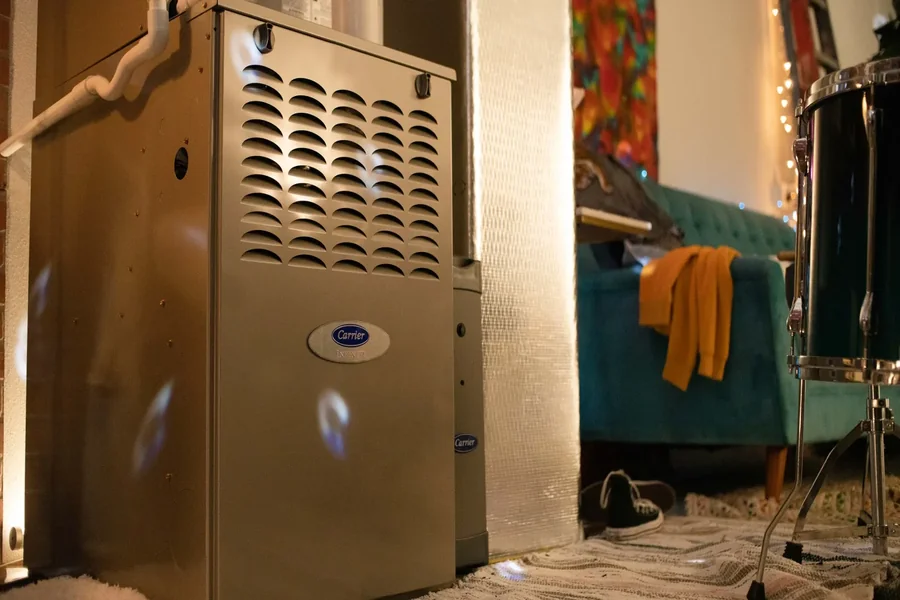
A high-pitched whistling noise coming from your furnace can be alarming, especially during the colder months when you rely on your heating system for comfort and safety. This unusual sound is often a sign that something is not functioning as it should within your furnace or ductwork. Ignoring these noises can lead to more significant issues, including reduced efficiency, higher energy bills, or even system failure. Understanding the potential causes behind this whistling noise is crucial for maintaining a safe and comfortable home environment. Addressing the problem early can help prevent costly repairs and ensure your furnace operates smoothly throughout the heating season.
What to Expect in This Guide
Common Causes of Whistling Furnace Noises
One of the most frequent reasons for a high-pitched whistling noise in a furnace is airflow restriction. When air cannot move freely through the system, it is forced through smaller openings, creating a whistling sound. This restriction can be caused by a dirty or clogged air filter, which blocks the passage of air and forces the furnace to work harder. Over time, this not only leads to unusual noises but can also reduce the efficiency of your heating system and increase wear and tear on its components. Another possible cause is closed or partially closed vents in your home. When vents are not fully open, air pressure builds up in the ductwork, resulting in a whistling noise as air tries to escape through small gaps. Additionally, leaks or gaps in the ductwork itself can create similar sounds, as air escapes through unintended openings. Regularly checking and replacing air filters, ensuring vents are open, and inspecting ductwork for leaks can help prevent these issues and keep your furnace running quietly.
The Role of Blower Motors and Fan Issues
The blower motor and fan are essential components of your furnace, responsible for circulating air throughout your home. If the blower motor is malfunctioning or the fan blades are damaged, they can produce a high-pitched whistling or squealing noise. Over time, dust and debris can accumulate on the fan blades, causing them to become unbalanced and create unusual sounds during operation. In some cases, the motor bearings may wear out, leading to increased friction and noise. If you notice that the whistling noise is accompanied by a decrease in airflow or inconsistent heating, it may indicate a problem with the blower assembly. Addressing these issues promptly is important to prevent further damage to your furnace and maintain a comfortable indoor environment. Homeowners in the area often search for furnace repair arlington heights when they encounter persistent noises, as professional attention may be required to diagnose and resolve blower motor or fan problems effectively.
Ductwork Design and Installation Problems
Improperly designed or installed ductwork can also be a source of high-pitched whistling noises in your furnace system. When ducts are too small for the volume of air being pushed through them, the increased air velocity can create a whistling sound as it moves through tight spaces. Similarly, sharp bends or abrupt transitions in the ductwork can disrupt airflow and generate noise. In some homes, flexible ductwork may become kinked or crushed, further restricting airflow and contributing to the problem. Poorly sealed joints and connections can allow air to escape, producing whistling or hissing sounds as the system operates. Ensuring that your ductwork is properly sized, installed, and sealed is essential for quiet and efficient furnace operation. If you suspect that your ductwork may be contributing to the noise, a thorough inspection by a qualified technician can help identify and address any issues.
When to Call a Professional
If you have checked your air filters, vents, and ductwork but the whistling noise persists, it may be time to seek professional help. A trained technician can perform a comprehensive inspection of your furnace and heating system to pinpoint the exact cause of the noise. They have the tools and knowledge to safely address issues with blower motors, fans, and other internal components that may be difficult or dangerous for homeowners to access. Attempting to repair complex furnace problems without the proper training can lead to further damage or even pose safety risks. Scheduling regular maintenance with a qualified technician can help prevent unexpected breakdowns and ensure your furnace operates quietly and efficiently throughout the heating season.
Quick Tip for Reducing Furnace Noise
Changing your furnace filter regularly is one of the simplest ways to prevent high-pitched whistling noises. A clean filter allows air to flow freely through your system, reducing strain on the blower and minimizing the risk of noise caused by airflow restriction. Most manufacturers recommend checking your filter every one to three months, especially during periods of heavy use.
Preventive Maintenance for a Quieter Furnace
Routine maintenance is key to keeping your furnace running smoothly and quietly. Scheduling annual inspections and tune-ups can help identify potential issues before they become major problems. During a maintenance visit, a technician will clean and lubricate moving parts, check for worn or damaged components, and ensure that your system is operating at peak efficiency. They will also inspect your ductwork for leaks or obstructions and verify that all vents are open and unobstructed. By staying proactive with maintenance, you can extend the lifespan of your furnace, improve indoor air quality, and enjoy a quieter, more comfortable home. Regular attention to your heating system not only helps prevent annoying noises but also reduces the likelihood of unexpected breakdowns during the coldest months of the year.
Conclusion
A high-pitched whistling noise from your furnace is more than just an annoyance; it is often a warning sign that something within your heating system needs attention. Whether the cause is a clogged air filter, issues with the blower motor, or problems with your ductwork, addressing the noise promptly can help prevent more serious and costly repairs down the line. Regular maintenance and timely inspections are essential for keeping your furnace running efficiently and quietly. By understanding the common causes of furnace noises and taking proactive steps to address them, you can ensure a warm, comfortable, and peaceful home environment throughout the heating season. If you are ever unsure about the source of a noise or how to fix it, reaching out to a qualified technician is always a wise decision.