The Evolution of Online Gaming: From MUDs to Massively Multiplayer Worlds
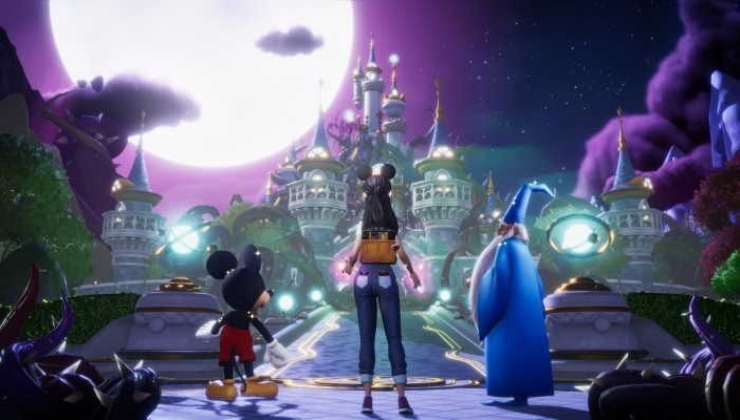
Online login joker123 alternatif has undergone a remarkable evolution since its humble beginnings in the 1970s, transforming from text-based adventures to immersive virtual worlds that connect millions of players worldwide. This article traces the evolution of online gaming, exploring key milestones, technological advancements, and cultural shifts that have shaped the landscape of interactive entertainment.
Introduction to Early Online Gaming
The origins of online gaming can be traced back to the early days of computer networking and the emergence of multi-user dungeon (MUD) games. Developed in the late 1970s and 1980s, MUDs were text-based virtual worlds where players could explore, interact with objects, and engage in collaborative storytelling. Key features of early online gaming include:
Text-Based Adventures: MUDs relied on textual descriptions and command-based interfaces, allowing players to navigate environments, solve puzzles, and communicate with other participants in real-time https://jokerapp123a.com/.
Community Building: MUDs fostered communities of players who shared a passion for role-playing, world-building, and collaborative gameplay. Player interactions and social dynamics were central to the MUD experience.
Technical Limitations: Early online games faced technical challenges such as limited network bandwidth, low graphical fidelity, and primitive user interfaces. Despite these limitations, MUDs laid the foundation for multiplayer gaming and online social interaction.
Emergence of Massively Multiplayer Online Games (MMOs)
The evolution of online gaming accelerated in the 1990s with the advent of graphical MMORPGs (massively multiplayer online role-playing games) and virtual worlds that offered expansive environments and persistent online communities. Key developments during this period include:
Ultima Online (1997): Developed by Origin Systems, Ultima Online was one of the first commercially successful MMORPGs, introducing players to a persistent fantasy world where they could explore, quest, and interact with thousands of other players.
EverQuest (1999): Sony Online Entertainment’s EverQuest expanded on the MMORPG formula, featuring 3D graphics, complex gameplay systems, and a dedicated player base. EverQuest set new standards for online gaming immersion and community engagement.
Virtual Economies: MMORPGs introduced virtual economies where players could trade items, currency, and virtual property within the game world. Economic systems and player-driven markets became integral to gameplay and social dynamics.
Technological Advancements and Expansion
The 2000s witnessed significant technological advancements and the proliferation of broadband internet, enabling larger-scale online gaming experiences and real-time multiplayer interactions:
World of Warcraft (2004): Blizzard Entertainment’s World of Warcraft (WoW) redefined the MMORPG genre with its accessible gameplay, polished graphics, and compelling narrative. WoW became a cultural phenomenon, attracting millions of players and setting records for subscription-based online gaming.
Social Networking Integration: Online games began integrating social networking features, allowing players to connect their gaming experiences with their broader online social networks. Platforms like Facebook and Twitter facilitated community building and player interaction.
Expansion into Consoles: Console gaming platforms such as Xbox Live and PlayStation Network expanded online gaming to console players, offering multiplayer matchmaking, voice chat, and downloadable content (DLC) for popular titles.
The Rise of Online Multiplayer Shooters and Esports
The mid-2000s saw the rise of online multiplayer shooters and competitive gaming scenes that emphasized skill-based gameplay, teamwork, and esports tournaments:
Call of Duty and Battlefield Series: Franchises like Call of Duty and Battlefield popularized online multiplayer shooters, featuring fast-paced action, tactical gameplay, and robust community features. These games attracted millions of players and established dedicated fan bases.
Esports and Competitive Gaming: Online multiplayer games became central to the esports industry, with tournaments, professional leagues, and global competitions showcasing skilled players and teams. Games like Counter-Strike: Global Offensive (CS), Dota 2, and League of Legends emerged as esports staples.
Streaming and Content Creation: The rise of streaming platforms like Twitch and YouTube Gaming enabled players to broadcast their gameplay live to audiences worldwide. Gaming influencers and content creators gained prominence, shaping gaming culture and community engagement.
Current Trends and Future Directions
In the present day, online gaming continues to evolve with advancements in technology, game design, and player engagement:
Virtual Reality (VR) and Augmented Reality (AR): VR and AR technologies promise to enhance immersion and interactivity in online gaming, offering new possibilities for virtual experiences and social interactions.
Cloud Gaming: Cloud gaming services like Google Stadia and Microsoft xCloud enable players to stream games over the internet, accessing high-quality gaming experiences on various devices without requiring powerful hardware.
Social and Community Features: Modern online games integrate robust social features, community hubs, and player-driven content creation tools, fostering collaborative gameplay experiences and long-term player engagement.
Conclusion
The evolution of online gaming from MUDs to massively multiplayer worlds reflects a transformative journey marked by technological innovation, cultural impact, and community-driven experiences. As technology continues to advance and player expectations evolve, online gaming will likely continue to push boundaries, offering new avenues for creativity, social interaction, and competitive gaming.
By celebrating the achievements and milestones of online gaming history, we recognize its profound influence on entertainment, technology, and global culture. The ongoing evolution of online gaming promises to shape the future of interactive entertainment, connecting players across continents and creating shared experiences that define the digital age.