Wildlife Park Safety Tips: Keeping Yourself Safe During Your Visit
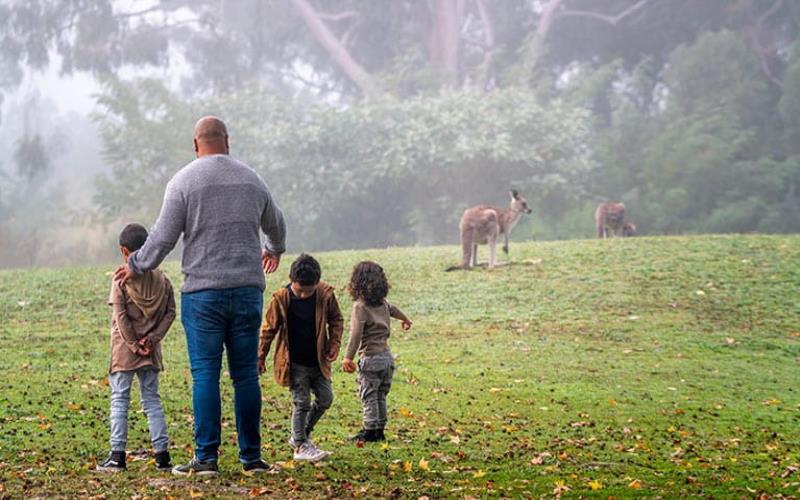
Observing wildlife in parks is a memorable experience. You can see how animals behave and interact with each other in their natural habitats. Visiting a wildlife park does not require fancy equipment or gear to encounter wildlife. You can explore different paths and take part in guided tours to find animals that are roaming freely. But as a wildlife park visitor, you must adhere to the park’s rules to ensure your safe and the safety of the animals there. These rules also apply when you explore park features like Jurassic Creek, which presents life-size, stationary dinosaurs. To maximize your park experience, here are safety tips you should keep in mind:
Be Familiar with Park Rules
Wildlife parks have different sets of rules about responsible wildlife observation. Such regulations guarantee the safety of not only visitors but also the natural resources at the park. For instance, such rules may include food storage requirements, minimum viewing distances, prohibited areas, and electronic animal tracking rules. Review the rules of the park you are visiting before you begin the tour.
Don’t Disturb Park Animals
Wildlife should be watched from a safe distance, to avoid disturbance. A telephoto lens or binoculars can be used if you want to see animals up close. Alerting animals to your presence or approaching them can be dangerous. Under most park rules, feeding, teasing, touching, frightening, and intentionally disturbing wildlife are prohibited. Keep in mind that wildlife is unpredictable. Park animals may take even slight movement or noise as a type of aggression.
Stay Alert When Driving
When you driving through a wildlife park, follow speed limits and adhere to park rules. Car accidents are fatal encounters for animals in parks. A lot of roads cut through the migration routes and natural habitats of wildlife.
Do Not Leave Traces of Your Visit
This means reducing the impact of your park visit on the environment. For instance, waste must be disposed of properly to prevent animals from coming across recyclables and garbage. Be mindful of the effects of your actions on the natural surroundings.
Do Not Disturb Natural Objects
The park’s natural objects are protected by law and must stay there. From rocks to pinecones, you should leave these objects undisturbed.
Never Take Risks
You may want to take risks to take great photos or for thrills. But it’s not worth the risk. Just imagine the efforts to retrieve and transport you to an emergency facility. Without caution, you can be in an emergency situation and potentially require contacting a personal injury lawyer if negligence or unsafe park conditions contributed to your injury. To avoid risks, check park alerts to know about hazards such as closures. Pay attention to the trail, not your camera when you explore the park. Also, stay on the safe side of railings and barriers.
Stay in Marked Paths
When you divert from marked pathways, you can put yourself in danger. A trail that isn’t on the park’s official map won’t get the same attention from the staff. Park personnel may not be aware of the safety concerns along such paths.
Obey Signs and Flyers
Following any park signs, advisories, and flyers prevents vegetation damage and erosion. Such signs are not only suggestions to ensure you do not get hurt. Some signs show park rules and directions to guarantee the safety of visitors.
Stay Hydrated
To avoid dehydration while hiking at the park on a hot day be prepared and consume lots of water. While you may be able to find natural sources of clean water at the park, the majority of springs and water sources are unprotected and may be contaminated. Because of this, all water must be purified before you consume it. Developed water fountains within the park are safe to drink.