Laws and Pre-Employment Drug Testing
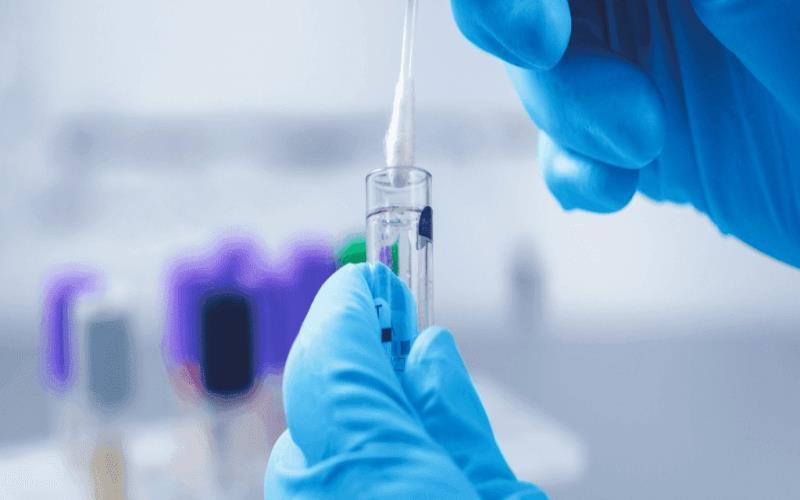
The changing landscape of marijuana legislation is having a significant impact on pre-employment drug testing and creating challenges for both employers and job seekers alike. With more states legalizing marijuana for medical and recreational use, the traditional approach to drug testing has to be reconsidered with an eye toward fairness, privacy, and workplace safety.
Legalization and Its Impact on Testing
As of 2024, over 20 states have legalized recreational marijuana, and many more have approved its use for medical purposes. This shift has forced employers to rethink their drug testing policies, particularly in states where marijuana use is legal. Historically, pre-employment drug tests have screened for marijuana along with other substances, with a positive result often leading to disqualification from the hiring process.
However, the legalization of marijuana presents a very real conflict: how can employers justify excluding candidates for using a substance that is legally permitted? Should marijuana use be treated like alcohol use in that consumption is only an employment issue when it impairs work? Can marijuana even be compared to alcohol since its effects on the body are so different? In some areas, laws now prohibit employers from taking adverse action against employees or job applicants for legal marijuana use outside of work hours, provided it does not impair their ability to perform their job. But finding the balance is proving to be a challenge.
Adjusting Testing Policies
Some companies are choosing to eliminate marijuana from their drug testing panels altogether, focusing instead on substances that pose a greater risk to workplace safety. Others are implementing impairment-based testing, which assesses an individual’s current state rather than relying on the presence of THC, which can linger in the body for weeks after use.
Industries that prioritize safety, such as transportation, construction, and healthcare, face particular challenges. These sectors must balance compliance with federal regulations, which still classify marijuana as a Schedule I controlled substance, against state laws that protect employees’ rights. Employers in these fields are often caught in a legal gray area, where the consequences of both strict and lenient drug policies can be significant.
The Future of Drug Testing
As marijuana laws continue to evolve, so too will pre-employment drug testing practices. Employers need to stay informed about changes in the law and be prepared to adapt their policies to ensure they remain compliant with state laws in their efforts to maintain workplace safety. Understanding how these policies are changing can help job seekers navigate the hiring process more effectively.
Ultimately, the future of pre-employment drug testing may shift towards a more nuanced approach, where the focus is on impairment and job performance rather than blanket bans on legal substances. This could lead to equitable hiring practices that benefit both employers and employees.