
What to Consider When Buying Quartz Tubes?
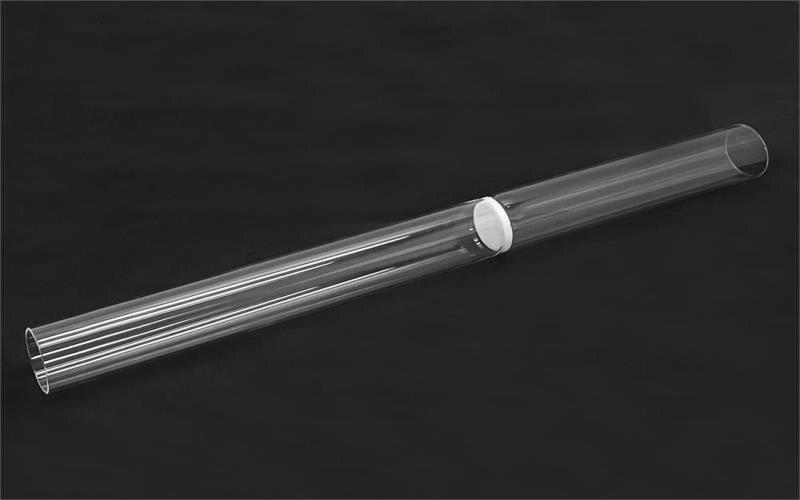
When it comes to selecting quartz tubes, whether for laboratory use, industrial applications, or even home projects, there’s a lot to consider. Quartz tubes are valued for their excellent thermal stability, chemical resistance, and optical clarity. However, not all quartz tubes are created equal. Let’s dive into the key factors you should keep in mind before making a purchase.
Type of Quartz
Quartz tubes are primarily made from two types of quartz: fused quartz and synthetic quartz.
Fused Quartz: This is made by melting high-purity silica. It’s known for its excellent thermal and chemical properties and is commonly used in laboratories.
Synthetic Quartz: Produced through hydrothermal processes, synthetic quartz can be more uniform in structure and often comes at a lower cost. It’s suitable for various applications, but it may not match the high thermal resistance of fused quartz.
Tip: Choose based on your application requirements. If you’re dealing with high temperatures or corrosive substances, fused quartz may be the better option.
Diameter and Wall Thickness
The diameter and wall thickness of the quartz tube are crucial for ensuring it meets your specific needs.
Diameter: Consider the intended application. For instance, a larger diameter may be necessary for gas flow in scientific experiments, while a smaller diameter could be ideal for precision applications.
Wall Thickness: Thicker walls provide better thermal shock resistance but may add weight. Thinner walls, on the other hand, are lighter and may allow for better light transmission in optical applications.
Tip: Evaluate your application to determine the optimal dimensions. It’s always a balance between strength and weight.
Length and Cut
Quartz tubes come in various lengths, and many suppliers offer cutting services. When specifying the length, consider:
Application Requirements: Make sure the length aligns with your equipment or project specifications.
Transport and Handling: Longer tubes can be cumbersome and may require special shipping considerations.
Tip: If you need custom cuts, check if the supplier offers this service to save time and ensure accuracy.
Purity Levels
The purity of the quartz affects its performance, especially in sensitive applications like optics or semiconductor manufacturing. Higher purity levels generally mean fewer impurities that can affect performance.
Optical Grade: This is essential for applications requiring high clarity and minimal absorption.
Industrial Grade: Suitable for general applications where extreme purity isn’t critical.
Tip: Ask the supplier for the purity specifications. A higher initial cost for purity may lead to better performance and durability in the long run.
Thermal Properties
Quartz is known for its thermal stability, but not all quartz tubes can withstand the same temperatures. Look for:
Melting Point: Ensure the melting point aligns with your intended use. Fused quartz can handle temperatures up to about 1,100°C.
Thermal Expansion: Check the thermal expansion coefficient, as this will determine how much the material expands when heated.
Tip: If you’re working with extreme temperatures, consider a thermal shock test to gauge performance under your specific conditions.
Chemical Resistance
Quartz is generally resistant to most chemicals, but some applications may expose the tube to harsher environments. Ensure the material can withstand:
Acids: Fused quartz is resistant to most acids, but always confirm specific chemical compatibility.
Bases: Ensure that the quartz can handle any alkaline substances it may come into contact with.
Tip: Review the Material Safety Data Sheets (MSDS) for both the quartz tube and the chemicals it will encounter to avoid costly mistakes.
Cost and Supplier Reputation
Price is always a factor, but it shouldn’t be the only consideration. A cheaper quartz tube may not perform as well or last as long, leading to higher costs down the line.
Supplier Reputation: Research potential Quartz Tube Supplier. Look for reviews, ask for recommendations, and ensure they have a track record of providing quality materials.
Warranties and Support: Reliable suppliers often provide warranties and customer support. This can be invaluable if issues arise.
Tip: Don’t hesitate to ask suppliers for references or case studies of similar applications.
Lead Time and Availability
Finally, consider the availability of the quartz tubes and the lead time for orders. Some suppliers may have stock on hand, while others might require manufacturing time.
Urgency of Your Project: If you need tubes quickly, check if the supplier can expedite orders.
Future Needs: If this is a recurring requirement, establish a reliable supply chain to avoid future delays.
Tip: Discuss your timeline with the supplier to ensure you can meet your project deadlines without stress.
Conclusion
Buying quartz tubes involves a careful assessment of several factors, from the type and purity to dimensions and supplier reliability. By understanding your specific application needs and doing your research, you can make an informed decision that not only meets your immediate requirements but also provides long-term value. Whether you’re conducting experiments, manufacturing products, or pursuing creative projects, selecting the right quartz tube is key to success.


