A List of Symptoms That May Indicate Serious Health Problems in Pets

As a veterinarian, I often find myself talking to worried pet owners who love their furry friends dearly. One thing I’ve learned is that being observant can truly make a difference in your pet’s health. Our pets can’t tell us when something’s bothering them, so it’s crucial to pay attention to any changes in their behavior. In this article, I want to share some common symptoms that might indicate a serious health issue and what you can consider doing if you notice them.
Why Observing Your Pet’s Health Is Important
Being a responsible pet owner means more than just feeding and grooming. It’s about really being in tune with your pet’s behavior and health. After all, pets are masters at hiding their discomfort. Here are some symptoms that you should keep an eye on:
-
Changes in Appetite
- What to Look For: Have you noticed your furry friend suddenly turning their nose up at their food? Or maybe they’re acting like a vacuum cleaner, eating everything in sight?
- Why It Matters: A sudden change in appetite can be linked to dental problems, gastrointestinal issues, or even more serious health conditions.
-
Unusual Thirst
- What to Look For: Is your pet drinking more water than usual? Are they visiting the water bowl like it’s a café?
- Why It Matters: Increased thirst can signal problems like diabetes or kidney disease, which require your attention.
-
Lethargy
- What to Look For: If your pet is acting like a couch potato, unwilling to play or engage in activities they usually love, this is worth noting.
- Why It Matters: Lethargy can indicate infections or other serious health issues that need to be addressed.
-
Vomiting and Diarrhea
- What to Look For: Occasional tummy troubles can happen, but if vomiting or diarrhea becomes frequent, it’s a cause for concern.
- Why It Matters: Persistent vomiting or diarrhea can lead to dehydration and might point to underlying gastrointestinal problems.
-
Coughing and Difficulty Breathing
- What to Look For: If your pet is coughing or seems to struggle for breath, don’t brush it off as just a little cold.
- Why It Matters: Respiratory issues can indicate infections, allergies, or heart problems, all of which need prompt attention.
-
Changes in Coat Condition
- What to Look For: Is your pet’s coat looking dull or feeling brittle? Maybe they’re shedding more than usual?
- Why It Matters: The state of your pet’s coat often reflects their overall health and can indicate nutritional deficiencies.
-
Changes in Behavior
- What to Look For: Have you noticed your normally playful pup becoming more withdrawn or even a bit snappy?
- Why It Matters: Sudden behavioral changes can signal pain or other health issues that may need your vet’s expertise.
-
Seizures
- What to Look For: If your pet has a seizure, it can be frightening. Watch for uncontrolled shaking or unusual movements.
- Why It Matters: Seizures are serious and often require immediate veterinary attention to determine the underlying cause.
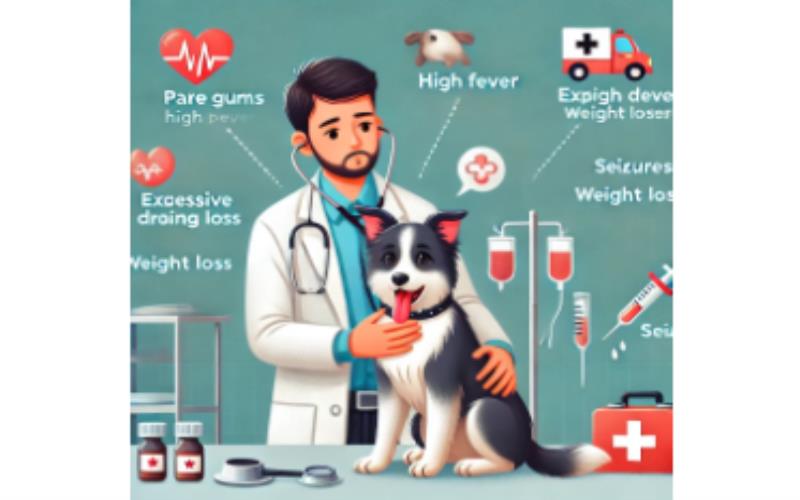
Common Symptoms and Possible Conditions
| Symptom | Possible Condition |
|---|---|
| Decreased Appetite | Dental issues, gastrointestinal problems |
| Increased Thirst | Diabetes, kidney disease |
| Lethargy | Infections, systemic diseases |
| Vomiting/Diarrhea | Gastrointestinal issues, infections |
| Coughing/Difficulty Breathing | Respiratory infections, heart disease |
| Poor Coat Condition | Nutritional deficiencies |
| Behavioral Changes | Pain, neurological issues |
| Seizures | Epilepsy, toxins, infections |
When to Seek Veterinary Help
If you spot any of these symptoms, it’s essential to take action. While some issues may seem minor, others can be more serious or even life-threatening. Here are a few guidelines on when to consult a veterinarian:
- If symptoms persist for more than 24 hours.
- If your pet is exhibiting multiple symptoms at the same time.
- If you notice significant changes in their usual behavior.
Expert Commentary
In my experience, one of the best ways to keep your pet healthy is through regular check-ups and being proactive about their health. Dr. Emily Roberts from Modern Vet Clinic emphasizes, “Being aware of these symptoms and understanding their significance can be life-saving. If you notice any of these signs, don’t hesitate to contact your veterinarian for advice.”
Conclusion
Being a responsible pet owner means paying close attention to your pet’s health. Understanding the signs of potential health problems can help you take timely action and ensure your furry friend gets the care they need. Remember, if you have any concerns, it’s always best to consult your veterinarian—prevention and early intervention are key to a long, happy life for your pet.
For more information about pet health and care, feel free to visit Modern Vet Clinic and explore valuable resources for keeping your pets happy and healthy. If you’re looking for a vet in Dubai, you’re in the right place!