
Top 5 Commercial Door Options for Your Business
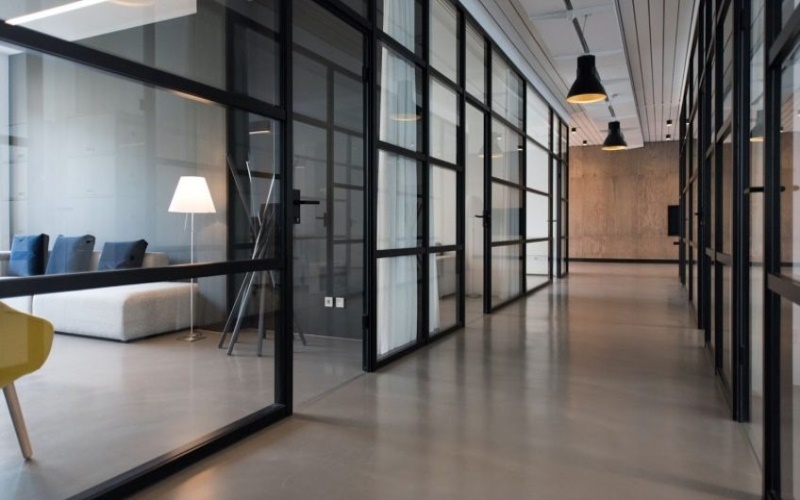
A commercial door serves as more than just an entryway—it plays a key role in your building’s overall security, energy efficiency, and first impression. Here’s a quick guide to the top 5 commercial door options for your business. If you’re interested in knowing more about entry fire doors make sure you visit Larnec Doors and Systems.
1. Rolling Steel Doors
The Iron Curtain of Security: Rolling steel doors are the ultimate fortress for your business. They offer unparalleled security, making them ideal for storefronts, warehouses, and high-security areas.
Durability Meets Versatility: These doors are built to last, resisting forced entry, fire, and harsh weather conditions. They’re available in various styles, including perforated, insulated, and fire-rated options.
Key Considerations: While rolling steel doors are incredibly strong, they can be noisy and heavy. Proper installation and maintenance are crucial to ensure smooth operation.
While steel doors are tough, they can be prone to dents and scratches. However, higher-end options with protective coatings can mitigate this issue. They are Ideal for Warehouses, Industrial facilities and secure offices.
2. Glass Commercial Doors
Glass storefront doors are a popular choice for businesses that want to create an inviting, modern, and transparent look. You’ll typically see glass doors in retail stores, offices, and storefronts where visibility and aesthetics are key.
Benefits:
Aesthetic Appeal: Glass doors provide a sleek and modern look that can help attract customers. They create an open, airy feeling that makes any space feel larger and more inviting.
Natural Light: Glass doors allow natural light to flood into your building, reducing the need for artificial lighting during daylight hours.
Security Features: Modern glass doors come with laminated, tempered, or even bulletproof glass options that ensure both security and transparency.
Customization: Glass doors can be customized in terms of style, tint, and size to suit your brand’s look and feel.
Considerations:
Security: While tempered glass is strong, it can still break under significant force. Consider adding security features like shatterproof or laminated glass to improve safety.
Privacy: Clear glass may not offer much privacy. Frosted or tinted glass can be used to balance transparency with privacy.
Ideal for:
Retail stores Offices and showrooms High-traffic commercial areas
3. Wood Commercial Doors
Wood doors add a touch of elegance and warmth to any commercial setting. They are often used in offices, conference rooms, and upscale retail establishments.
Benefits:
Aesthetic Versatility: Wood doors can be designed in virtually any style, from classic to contemporary. They can also be stained or painted to match your building’s design.
Sound Insulation: Wood naturally offers better sound insulation, making it ideal for offices, conference rooms, or any space where noise reduction is important.
Customization: You can choose from a variety of wood types, finishes, and designs to create a door that fits the vibe of your business.
Considerations:
Maintenance: Wood doors require more maintenance than steel or glass. Over time, they may need refinishing to prevent wear and tear.
Durability: Wood is generally not as durable as metal, especially in high-traffic or outdoor environments. It can be more vulnerable to damage from moisture, pests, and weather.
They are Ideal for:Offices, Conference rooms, Upscale retail or hospitality spaces.
4. Aluminum Commercial Doors
Aluminum doors are known for their lightweight properties and are commonly used in commercial buildings that require high functionality and a sleek, modern look.
Benefits:
Durability: Aluminum is resistant to rust and corrosion, making it ideal for buildings located in coastal or high-humidity areas.
Lightweight: Being much lighter than steel, aluminum doors are easier to operate, especially in commercial settings with high foot traffic.
Energy Efficiency: Aluminum doors can be equipped with insulated panels that improve energy efficiency by reducing heating and cooling costs.
Modern Look: Aluminum doors offer a sleek, contemporary aesthetic that works well in both office and retail environments.
Considerations:
Strength: While aluminum is strong, it is not as durable as steel. If security is a top priority, you may want to consider steel over aluminum.
Cost: Aluminum doors can be more expensive than other materials, especially if they are custom-made or feature advanced insulation.
5. Roll-Up Commercial Doors
Roll-up doors, or overhead doors, are perfect for businesses that require a high level of functionality and easy access, such as warehouses, garages, and manufacturing facilities. These doors roll up into a compact coil, saving space and providing quick, convenient access.
Benefits:
Space Saving: Since the door rolls up instead of swinging open, roll-up doors don’t require extra space in front or behind the door.
Security: Roll-up doors are made of steel slats or other durable materials, offering excellent security and protection from forced entry.
Ease of Use: Roll-up doors can be automated with motors and can be easily operated by remote control, which is convenient for businesses with high-volume traffic.
Weather Resistance: Roll-up doors are great for environments where protection from the elements is necessary, as they provide excellent sealing capabilities.
Considerations:
Maintenance: While roll-up doors are generally low-maintenance, they do require periodic checks to ensure the tracks, springs, and mechanisms are functioning properly.
Aesthetic Appeal: Roll-up doors aren’t typically the most attractive option, so they might not be suitable for high-end retail or public-facing businesses.
Ultimately, the best door for your business will align with your specific needs, the nature of your operations, and the environment in which your building exists. Take your time to weigh the pros and cons of each material, and don’t hesitate to consult with storefront experts to ensure you make an informed choice.


