Exploring Modern Aircraft Types of Aircraft Not Only Clarifies
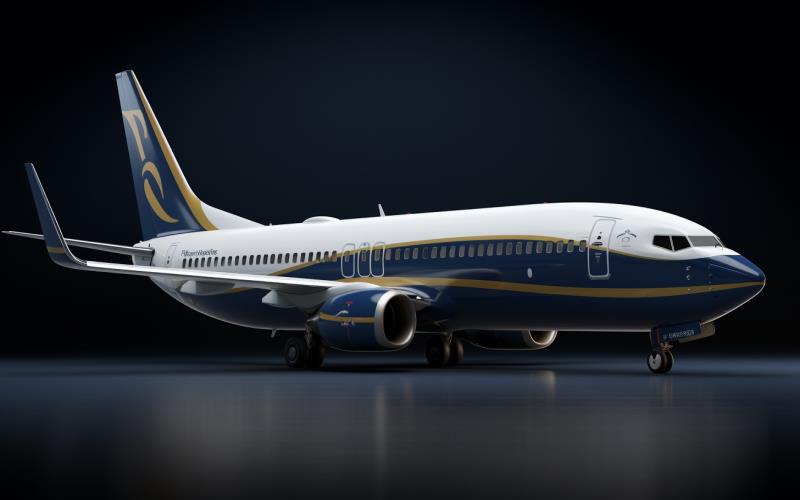
Modern aviation encompasses a remarkable array of aircraft, each engineered for specific roles and performance demands. From the sleek airliners bridging continents to the agile helicopters hovering over dense urban landscapes, these machines reflect decades of innovation and refinement. Understanding the distinctions among different types of aircraft not only clarifies how global transport functions but also highlights the specialized capabilities and markets each category serves. Industrial supply chains, commerce networks, and defense strategies all rely on specialized aviation assets, shaped by evolving technologies and changing operational requirements.
As environmental and economic challenges intensify, the aviation sector evolves in tandem. Lighter composite materials, more efficient engines, and advanced avionics continuously improve capabilities. The result is a rich spectrum of aircraft: passenger jets, cargo freighters, military platforms, corporate jets, rotary-wing aircraft, and beyond. By examining their diverse functions, we gain insight into how the skies remain vital conduits of commerce, collaboration, and exploration.
Commercial Airliners for Passenger Transport
Commercial airliners remain the cornerstone of global passenger travel. These aircraft typically feature twin-aisle or single-aisle configurations, jet engines optimized for cruising at high altitudes, and sophisticated avionics suites. Ranging from narrow-body jets serving shorter routes to wide-body flagships crossing oceans, these planes must balance comfort, speed, and efficiency. Passenger experience stands at the heart of airliner design, with cabin pressurization, seating ergonomics, and in-flight entertainment systems refined to meet travelers’ expectations.
Advances in aerodynamics and materials have allowed airliners to burn less fuel while carrying more passengers farther. Composite airframes reduce weight, while next-generation engines cut noise and emissions. For airlines, selecting the right aircraft involves matching route length, passenger demand, and operating costs. As global travel networks grow, airliners continue shaping the world economy by fostering tourism, enabling business meetings, and supporting humanitarian missions.
Business and Corporate Jets for Private Mobility
A separate niche caters to executives, entrepreneurs, and specialized personnel who need flexible and time-sensitive travel. Business and corporate jets allow direct routes to smaller airports, cutting down on time lost in major hubs. Smaller, and more agile than commercial airliners, these aircraft feature luxurious interiors, plush seating, communication suites, and catering to unique passenger preferences. Reduced travel time lets decision-makers handle multiple meetings across distant markets in a single day, enhancing productivity and reinforcing global business ties.
Corporate aviation also supports industries where rapid on-site presence matters. Engineers traveling to remote facilities, medical teams responding to emergencies, or film crews covering multiple locations rely on these jets for reliable and personalized transportation. While their passenger loads are smaller, their contribution to efficient, high-level business operations is substantial.
Cargo and Freight Aircraft for Global Trade
No discussion of aviation would be complete without acknowledging cargo aircraft, the backbone of modern supply chains. These planes handle the timely shipment of everything from consumer electronics and perishables to industrial machinery. Freighters often feature wide cargo doors, reinforced floors, and cabin designs tailored to pallets or container systems. Some passenger airliner models are adapted into freighters after their service in commercial routes ends, extending the aircraft’s operational life.
Cargo aircraft support just-in-time manufacturing models and respond to sudden demand spikes in consumer markets. With dedicated freighters, companies move goods across continents overnight, ensuring shelves remain stocked and assembly lines never pause for lack of components. By reducing transit times drastically compared to maritime shipping, cargo aviation underpins efficient inventory management, enabling a global marketplace that thrives on speed and precision.
Military and Specialized Aircraft
Beyond the commercial and private spheres, aircraft also serve critical defense and specialized roles. Military jets, transporters, surveillance platforms, and helicopters fulfill missions encompassing reconnaissance, humanitarian relief, troop transport, and search-and-rescue. These machines emphasize durability, stealth, payload capacity, or endurance, depending on their intended use.
In addition, specialized aircraft handle environmental mapping, firefighting, aerial photography, and geological surveying. Their unique modifications—such as firefighting apparatus, high-resolution imaging sensors, or scientific instrumentation—enable them to excel in tasks beyond conventional passenger or cargo operations. This diverse array of specialized aircraft illustrates how flexible and adaptable aviation technology has become.
Helicopters and Tiltrotors
Not all flight relies solely on fixed-wing designs. Helicopters and tiltrotor aircraft thrive in environments where vertical takeoff, hovering, and landing in confined spaces are paramount. These rotary-wing platforms service offshore energy rigs, medevac missions, corporate shuttles, and tourism ventures. Their ability to access remote or hard-to-reach areas bestows a tactical advantage for both civilian and defense activities.
Tiltrotor aircraft, blending helicopter-like vertical lift with airplane-like forward speed, offer a hybrid solution. This category breaks traditional barriers, reducing transit times between remote locations lacking runways. Often employed by the military, these platforms also hold promise for civilian applications that demand rapid response and flexibility. As urban air mobility concepts emerge, rotary-wing and tiltrotor designs stand poised for further innovations.
Aircraft Parts
At the core of every reliable airplane or helicopter is a complex network of aircraft parts, each meticulously tested and certified for safety and performance. From engine turbines and avionics modules to landing gear assemblies and cabin furnishings, every component matters. Strict quality controls and rigorous maintenance schedules ensure parts meet stringent industry standards, preventing failure mid-flight. Over time, suppliers have honed manufacturing processes to produce parts that strike an optimal balance between weight, strength, and durability.
As aircraft designs evolve, so do the components within them. Composites, advanced alloys, and 3D-printed materials gradually replace older metals and more labor-intensive fabrication methods. Meanwhile, digital platforms track part histories, enabling predictive maintenance that reduces costly downtime. Overall, high-quality parts enable the entire industry to uphold the trust passengers place in air travel.
Environmental Considerations and Innovation
As globalization and travel demands rise, so does scrutiny of aviation’s environmental impact. Modern aircraft incorporate fuel-efficient engines, winglets, and aerodynamic refinements to cut fuel burn and carbon emissions. Research into sustainable aviation fuels, electric or hybrid-electric propulsion, and lighter structural materials is accelerating the push for greener air travel.
This focus on sustainability influences aircraft choices across commercial, corporate, and cargo operations. Reducing noise footprints and improving route optimization through advanced avionics not only enhances passenger comfort but also complies with stricter regulatory frameworks. Each incremental improvement—from quieter engines to more recyclable materials—contributes to a long-term vision of aviation harmony with the planet.
Conclusion
Modern aircraft exist at the intersection of engineering excellence, operational pragmatism, and technological innovation. They connect markets, facilitate commerce, and drive global collaboration. From wide-body jets ferrying travelers between continents to helicopters providing rapid medical aid, the variety of aircraft models testifies to the industry’s adaptability and ingenuity.
As the world evolves, so do aircraft—becoming more efficient, more integrated, and more responsive to the changing needs of economies, communities, and the environment. Understanding the spectrum of airplane types, their components, and their roles clarifies how aviation continues to underpin modern society. Through continuous refinement, the skies remain a dynamic stage for human enterprise, where aircraft seamlessly link producers and consumers, innovators and investors, dreamers and doers.