Benefits of Using Military-Spec Materials for Your Aircraft
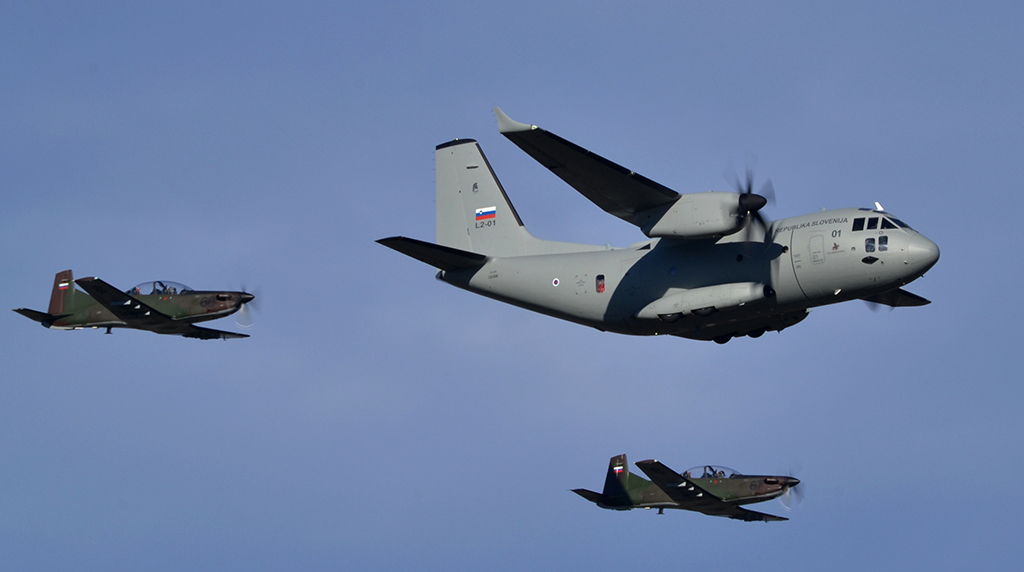
Aircraft performance, safety, and longevity are vital in ensuring smooth operations, be it for commercial, private, or military uses. One sure way to enhance all three aspects is by the incorporation of military-spec materials into aircraft design and maintenance. These materials are engineered to meet very stringent standards that ensure higher durability and reliability. While mil-spec materials might be overkill for civilian aircraft, there is little to argue against several definite benefits that will not only help extend the lives of crucial components but improve general efficiency in operation. The following article discusses the main advantages of military-spec materials applied in aviation.
Increased Durability and Wear Resistance
The materials are built for extreme environmental conditions extreme heat to freezing temperatures, ensuring the components will hold longer under stress. These materials are subjected to extreme testing for abrasion, corrosion, and structural fatigue, outperforming the commercial-grade alternatives. This may be quite important in aviation, where parts are under constant vibration, changes in pressure, and extreme weather conditions; this would mean fewer replacements and repairs over time.
Aircraft that incorporate mil-spec components experience less wear and tear, which ensures that the systems remain intact and operational for longer periods without compromising performance. This added resilience can dramatically reduce maintenance costs while improving safety margins.
Safety and Reliability Improved
Aviation does not compromise on safety, neither do military-spec materials. These materials are made to the letter; strict government standards ensure that the quality and performance continue unbroken in high-stress conditions. For instance, lubricants of the Mil PRF 23699 specification are known for their great stability and thermal resistance, hence minimizing the possibility of engine failure or overheating.
It is by integrating such high-grade materials into an aircraft’s engine and hydraulic systems that operators are able to reduce the chances of critical malfunction. This not only protects the passengers and crew but also minimizes unplanned downtime and costly emergency repairs, promoting overall reliability during flight operations.
Optimal Weight-to-Strength Ratio
The efficiency of aircraft is invariably linked with weight. Military-specified materials are lighter and yet stronger, offering the most optimal weight-to-strength ratio. This allows aircraft to carry heavier payloads without giving away any performance or fuel economy. Advanced composite materials and alloys used in military aircraft are specifically developed to enhance structural integrity while keeping overall weight at a minimum. With their incorporation, aircraft can exhibit superior fuel efficiency, wider range, and better handling. This weight advantage could mean tremendous savings in the way of fuel economy and higher cargo capacity for commercial and private aviation, respectively.
Longer Component Life
Among the most salient benefits of military-spec materials is the fact that they extend the life of aircraft components. These materials are designed to be resistant to oxidation, UV exposure, and chemical degradation so that parts can keep their integrity even after years of service. This leads to extended intervals between part replacements, reducing downtime and operational costs. Aircraft using mil-spec components tend to have fewer failures as the materials continue performing their function despite exposure to harsh environmental factors. The longer lifespan of these parts means better operational efficiency and less disruption to flight schedules.
Higher Resale Value and Market Competitiveness
Aircraft with military-spec materials have a higher resale value because these materials improve the overall aircraft performance and longevity. Potential buyers will regard mil-spec components for the added reliability and lower maintenance requirements. Aircraft that feature mil-spec materials are very attractive for private buyers or even when upgrading models, making them more salable in the market.
Beyond improving resale value, the use of mil-spec materials extends marketplace competitiveness for any operator simply by keeping aircraft in better shape and good condition for longer. That can lead to better word of mouth, more customers, lower overall costs, and other benefits that can help position one better in the general aviation market.
Conclusion
Military-spec materials offer clear-cut advantages for aircraft operators in terms of performance, reliability, and cost efficiency. From better durability and safety to longevity of components and better resale value, the list of long-term benefits justifies the initial investment in such materials. The incorporation of military-spec materials, such as standard lubricants, ensures the aircraft remains operational under extreme conditions, minimizing risks while enhancing performance. With ever-changing demands in aviation, mil-spec material adoption is bound to provide operators with an edge that keeps them critical toward smooth, safe, and efficient operations.