Why Real Time Bookkeeping Improves Business Decision Making
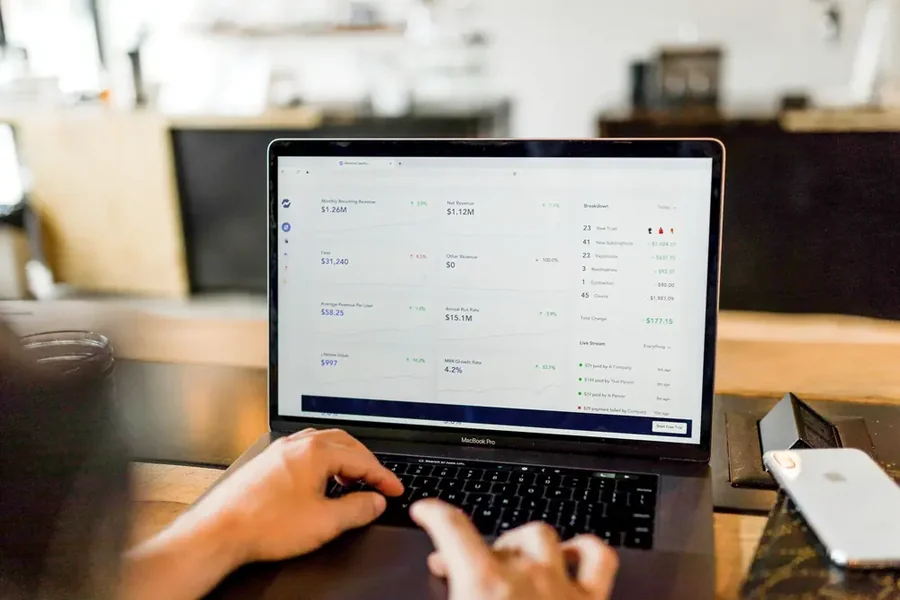
Real-time bookkeeping helps you make smarter decisions by giving you an up-to-date view of your finances. This constant access to financial data means you aren’t guessing. Instead, you’re informed and ready to act. Many businesses, including those who use a Minneapolis small business bookkeeper, find that real-time updates keep operations running smoothly. You avoid costly mistakes by knowing your financial status at all times. You also spot trends and forecast more accurately. This knowledge empowers you to seize opportunities and tackle challenges head-on. Compared to outdated methods, real-time bookkeeping provides a fast, clear financial picture. You can respond promptly to changes and uncertainties. This immediate insight is crucial in navigating the business landscape successfully. It helps you allocate resources efficiently, ensuring you have what you need to grow and sustain your business. With real-time data, you can make decisions confidently and quickly, giving your business a competitive edge.
The Power of Immediate Information
Having current financial data transforms how you manage your business. You see clearly what is happening now, not what happened last quarter. This shift allows you to address issues as they arise, not after they have become problems. Immediate information supports proactive management, which is crucial for sustainable growth.
Benefits of Real-Time Bookkeeping
- Accuracy: You avoid errors by constantly updating financial records. Mistakes are caught quickly and resolved.
- Efficiency: You reduce the time spent on manual data entry, freeing up resources for other tasks.
- Forecasting: You predict future trends with greater confidence using real-time data, aiding in strategic planning.
Comparing Real-Time vs. Traditional Bookkeeping
| Aspect | Real-Time Bookkeeping | Traditional Bookkeeping |
| Data Access | Instant | Delayed |
| Decision-Making Speed | Fast | Slow |
| Error Correction | Immediate | Delayed |
Practical Steps to Implement Real-Time Bookkeeping
Transitioning to real-time bookkeeping involves some key steps. First, select a reliable bookkeeping software that updates data as transactions occur. Next, train your team on how to use the software effectively. Ensure that all transactions are recorded promptly. Regularly review your financial data to maintain accuracy.
Resources and Support
For those seeking guidance, the U.S. Small Business Administration offers resources on financial management. These resources help you integrate real-time bookkeeping seamlessly. Additionally, consulting with experienced bookkeepers can provide personalized solutions tailored to your business needs.
Conclusion
Real-time bookkeeping enhances your ability to make informed decisions swiftly. It streamlines your financial processes, ensuring that you are always prepared for the next step in your business journey. By implementing these practices, you secure not just peace of mind, but also a solid foundation for growth.