Opportunities And Challenges In The Streaming Landscape
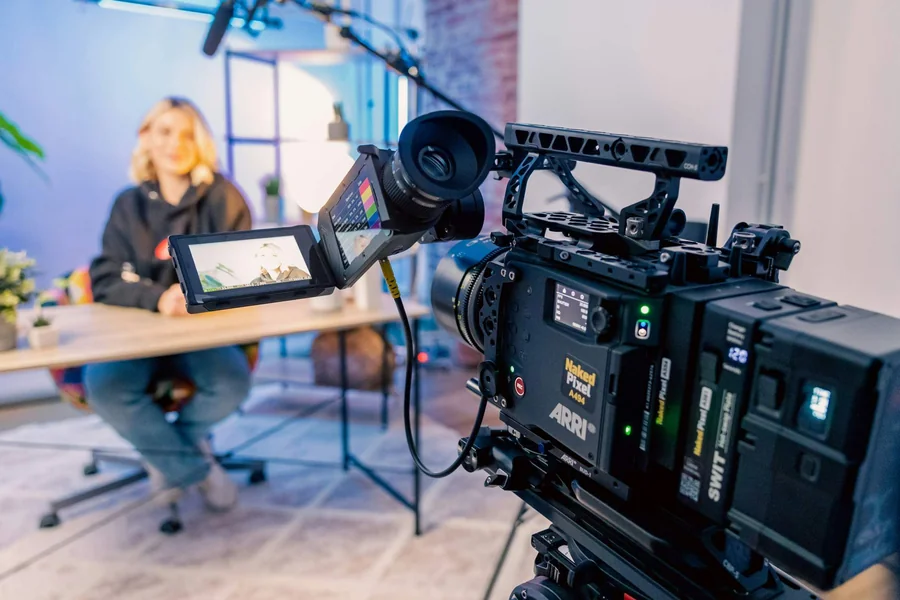
Over the past decade, television consumption has undergone a significant transformation. The advent of streaming platforms has shifted viewers away from traditional cable subscriptions to on-demand content. As audiences increasingly seek flexibility and a wider variety of programming, new models have emerged to cater to these preferences. Among these models, free ad-supported television (FAST) has gained traction, offering a unique blend of accessibility and affordability. With established players and new entrants alike making strides in this space, the evolution of television consumption reveals both opportunities and challenges ahead.
The Appeal of Free Ad-Supported Television
One of the primary drivers behind the rise of free ad-supported tv is the cost factor. In a world where subscription fees for multiple streaming services can add up quickly, FAST platforms provide viewers with an alternative that is completely free. By monetizing content through advertisements, these services allow consumers to access a wealth of programming without the burden of monthly fees. This accessibility not only attracts budget-conscious viewers but also appeals to a broader demographic that may have been underserved by traditional cable offerings.
Moreover, FAST platforms often offer a diverse array of content, ranging from classic TV shows and movies to niche programming tailored to specific interests. This variety caters to different viewing preferences, drawing in audiences who may have been hesitant to commit to subscription services. The ability to sample various genres and styles without financial commitment has made free ad-supported television an attractive option for many consumers.
The Competitive Landscape
As the demand for free ad-supported television grows, the competitive landscape has become increasingly crowded. Established streaming giants, such as Pluto TV, Tubi, and Peacock, have entered the FAST arena, keen to capitalize on this emerging trend. These platforms are leveraging their existing content libraries and audience reach to bolster their FAST offerings. On the other hand, newer entrants are carving out their niche by focusing on specific genres or audience segments, aiming to differentiate themselves in a competitive marketplace.
This competition is not limited to the traditional media landscape. Social media platforms like YouTube are also getting in on the action, blurring the lines between streaming and social content. With millions of creators generating ad-supported content, viewers have more options than ever before. This saturation of content, while beneficial for consumers, presents challenges for FAST platforms in terms of attracting and retaining viewers.
Ad Revenues and Monetization Strategies
The financial viability of free ad-supported television hinges on effective monetization strategies. Advertisers are increasingly recognizing the potential of FAST platforms to reach engaged audiences. The targeting capabilities and viewer demographics offered by these services provide advertisers with valuable opportunities for tailored messaging. As a result, ad revenues from free ad-supported television are projected to grow, further incentivizing platforms to invest in high-quality content and user experience.
However, striking the right balance between ad placements and viewer experience is essential. Excessive advertising can lead to viewer frustration and channel switching, undermining the very appeal of free content. FAST platforms must adopt effective ad formats and frequency to ensure that viewers remain engaged while still generating revenue. Innovative approaches, such as interactive ads or seamless integration into programming, may help enhance the viewer experience while maintaining monetization goals.
Content Acquisition and Licensing
Another significant challenge for free ad-supported television stems from content acquisition and licensing. While many FAST platforms leverage existing content libraries, securing high-quality programming can be expensive and complex. Licensing deals with studios and content creators can be a significant financial burden, especially for smaller platforms without the budget of larger streaming services. Additionally, as competition intensifies, the demand for compelling content—such as stories like https://fandom.my-drama.com/
To navigate these challenges, FAST platforms must foster strategic partnerships and explore original content production. By developing exclusive programming or collaborating with independent creators, platforms can differentiate themselves and attract viewers looking for unique offerings. This approach not only enhances the platform’s content library but also positions it as a player in the evolving landscape of television production.
Viewer Engagement and Retention
As the landscape of free ad-supported television continues to evolve, viewer engagement and retention will be crucial for long-term success. The challenge lies in capturing and maintaining audience attention in a marketplace filled with options. To accomplish this, FAST platforms must focus on delivering a seamless and user-friendly experience. Features such as personalized recommendations, intuitive navigation, and easy access to content can significantly enhance viewer satisfaction.
Moreover, community-building initiatives, such as user forums or interactive programming, can foster a sense of belonging among viewers. Engaging with audiences on social media and responding to feedback can also strengthen viewer loyalty. By cultivating a dedicated viewer base, FAST platforms can improve retention rates and build a sustainable model in an ever-competitive industry.
The Future of Free Ad-Supported Television
The rise of free ad-supported television presents a unique intersection of opportunities and challenges in the streaming landscape. As consumer preferences continue to shift towards flexible, accessible content, FAST platforms are well-positioned to thrive. However, the need for effective monetization strategies, content acquisition, and viewer engagement cannot be overlooked. By navigating these challenges thoughtfully and innovatively, free ad-supported television can carve out a lasting niche in the evolving world of entertainment.
As the streaming landscape continues to develop, the ongoing evolution of free ad-supported television will play a critical role in shaping the future of how audiences consume content. Embracing this model may hold the key to democratizing access to quality programming, ensuring that viewers of all backgrounds can enjoy diverse offerings without financial barriers. In doing so, FAST platforms may not only redefine television consumption but also usher in a new era of entertainment that prioritizes accessibility, engagement, and innovation.