A Guide to Buying Heavy-Duty Skip Bins
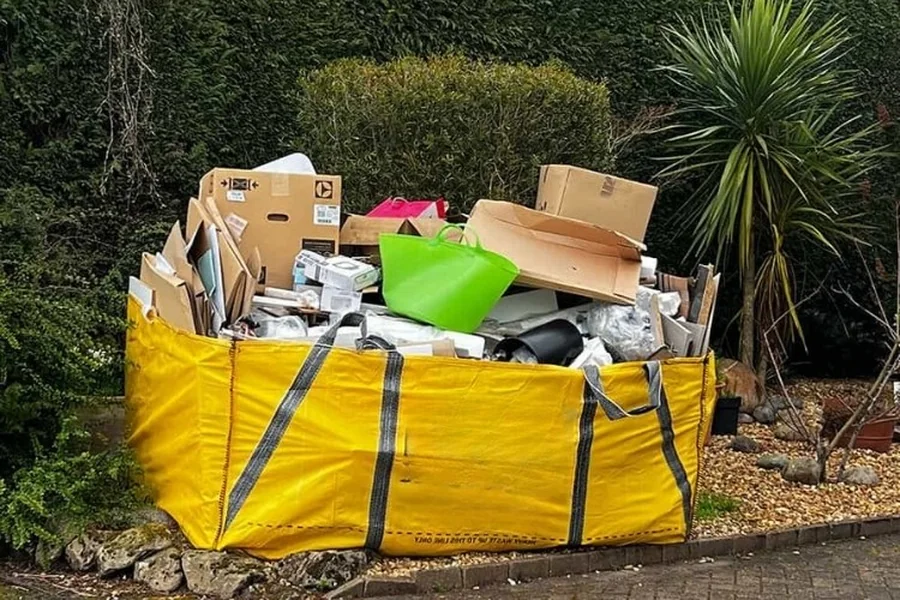
In an attempt to look for heavy-duty skip bins for sale, you should consider understanding the type of waste you will be handling. Heavy-duty skip bins shall be used to gather massive amounts of building debris, construction materials, and industrial wastage that cannot be accepted by small bins. Heavy-duty units have thicker steel walls and heavier bases to bear the heavy weight and impacts of materials such as concrete, brick, tile, and metal scrap.
Estimate the quantity and type of waste your project will produce before buying. Construction projects produce mixed waste containing wood, drywall, roofing, and landscaping waste.
-
Choosing the Right Size and Capacity
Skip bins heavy-duty come in different sizes, typically starting from 2 cubic meters for small projects and 30 cubic meters for large building projects. The most important requirement is selecting the bin size depending on the duration of your project and how much waste is generated. Small bins are ideal for home renovation or small business cleanups but larger bins for demolitions or projects with longer durations.
Consider not only volume, but weight capacity too. Bigger bins will have the capacity to hold 3 to 10 tons of material, depending on the company. Always find out what the weight capacity is so as not to overload and create collection issues or additional charges.
-
Key Features to Look For
Quality is the greatest concern in heavy-duty skip bin investment. Bins have to be made of higher-grade steel with stress points welds precisely positioned. Bottoms need to be strengthened to avoid sagging under the loads and sides lifted to accommodate material without spilling.
Usability options that enhance function are rear doors to facilitate loading of heavy content, forklift pockets to provide simple placement of bins, and corrosion-guarding rust-resistant coatings that extend life and protect from corrosion. Bins also have sides of mesh for loose waste or solid sides for holding fine matter.
-
Budget Considerations and Value
When shopping for price comparisons on heavy-duty skip bins for purchase, consider the cost of ownership over the life of the product, not the cost. Expensive bins will be more expensive upfront but will last longer, require less repair and maintenance, and be more superior quality. Include the delivery fee, the pickup fee, and possible rental versus purchasing.
Most of the suppliers offer open purchase terms, including outright buys, long-term leasing, or lease-to-own. Try these options based on your usage pattern and your budget limitation.
-
Choosing Good Suppliers
Conduct detailed research on your potential suppliers by checking their reputation, customers’ reviews, and experience in the industry. Good suppliers ought to offer transparent prices, terms of conditions, and quality customer services. They should also offer proper documentation for the disposal of wastes according to compliance and environmental laws.
Good quality suppliers would usually offer additional services such as regular collections, segregation guidance for the waste, and regulatory support services. These value-added services could well make your waste management smoother.
Conclusion
The right heavy-duty skip bin acquisition is all about striking a balance between what you require and what you can cope with. Consider future usage frequency, materials you will be shipping out, room for bin installation, and long-term needs of your projects. Thinking about time to fit these into your choice enables you to choose bins that provide you with frequent service and great value for waste management needs.