3 Signs It’s Time To Take Your Pets To A Veterinary Hospital
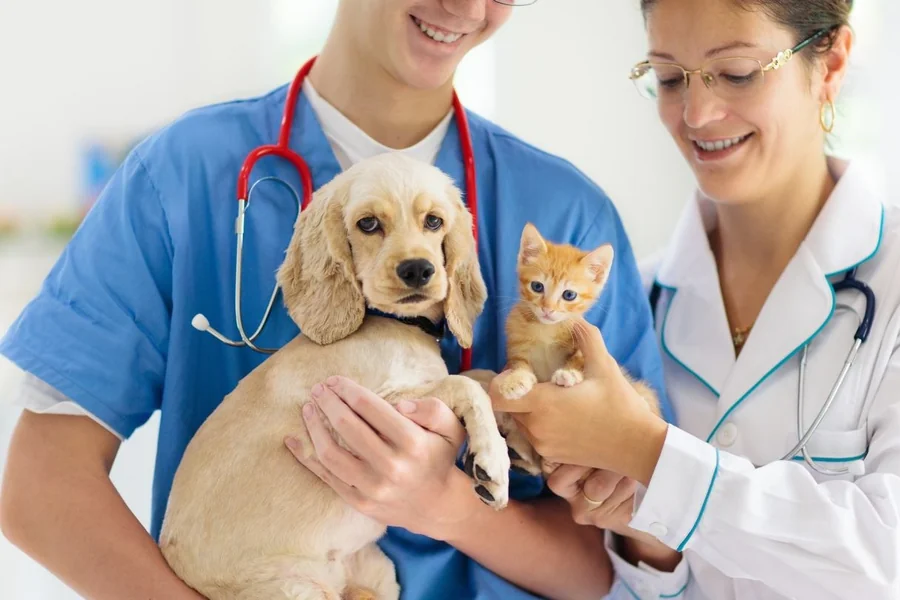
Caring for your pet means knowing when they need medical help. Your furry friend can’t say they are in pain, but you can watch for signs. You might wonder when to call a veterinarian in Gainesville, FL. Knowing these signs can make a huge difference in their health. Spotting unusual behaviors quickly can save your pet from more pain. This guide highlights three key signs that signal a trip to the veterinary hospital. Your pet’s health is your priority. Early action is important. Quick decisions can prevent serious issues and help your pet recover faster. Always trust your instincts. If something seems off, it probably is. Watching your pet closely can make the difference between a minor issue and a major problem. Stay alert and ready to act when your pet shows distress. Your care and attention could be lifesaving. Here’s what you must look for to keep your pet safe.
1. Changes in Eating or Drinking Habits
One of the most obvious signs of a problem is a change in how your pet eats or drinks. If they suddenly lose interest in their food or water, it might be a sign of illness. This is especially true if they skip more than a few meals or drink less water than normal. Changes in appetite can signal anything from dental issues to more serious conditions. It’s crucial to watch for these changes. If you notice a pattern, consult a professional.
2. Unusual Behavior or Lethargy
Pets are creatures of habit. They have routines and behaviors that rarely change. If your pet is suddenly lethargic or behaves oddly, it might be a sign of distress. Look for signs like hiding, aggression, or excessive sleeping. These behaviors can indicate discomfort or pain. If they persist, don’t delay in seeking medical advice.
3. Physical Symptoms
Physical symptoms can be a clear indication that your pet needs help. Watch for signs like vomiting, diarrhea, coughing, or unusual lumps. These symptoms can point to serious conditions that require immediate attention. Here is a table highlighting common symptoms and potential underlying issues:
| Symptom | Possible Condition |
|---|---|
| Vomiting/Diarrhea | Gastrointestinal problems |
| Coughing/Wheezing | Respiratory infections |
| Lumps/Bumps | Potential tumors |
Knowing these symptoms helps you take quick action. Consult a professional to ensure your pet’s safety. The American Veterinary Medical Association offers more guidance on symptoms that require a vet visit.
When to Consult a Vet
Knowing when to act is half the battle. Trust your instincts and act quickly if you notice any of these signs. The earlier you seek help, the better the outcome for your pet. Many conditions are treatable if caught early. Your attention and prompt action can be lifesaving.
Preparing for the Vet Visit
Before visiting the vet, gather important information. Note any symptoms, changes in behavior, and dietary habits. This information helps the vet diagnose and treat your pet effectively. Being prepared saves time and ensures your pet receives the right care.
Conclusion
Your pet depends on you for their well-being. Recognizing the signs that they need help is crucial. By acting fast, you ensure they get the care they need. Watching for changes in eating habits, unusual behavior, and physical symptoms is key. Visit a veterinary hospital when needed to give your pet the best chance at recovery. Your actions can help keep them happy and healthy for years to come.