A Comprehensive Guide to PCBA: The Backbone of Modern Electronics
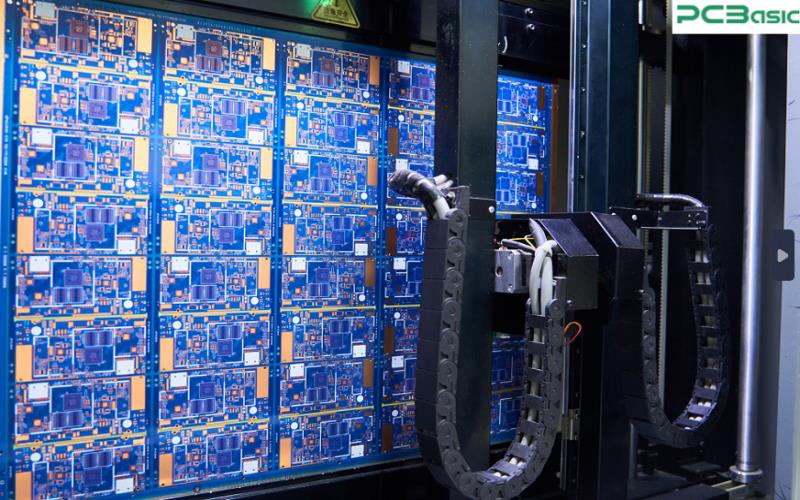
Printed Circuit Board Assembly (PCBA) is the process of mounting electronic components onto a printed circuit board (PCB) to create a fully functional electronic device. PCBA is at the core of modern electronics, driving the operation of everything from smartphones and computers to automotive systems and industrial equipment. This article provides a comprehensive overview of PCBA, its processes, significance, and the latest advancements.
What is PCBA?
PCBA, or Printed Circuit Board Assembly, refers to the assembly process where components such as resistors, capacitors, diodes, and ICs are mounted onto a bare PCB. The resulting assembly enables the circuit to perform specific functions, making it an essential step in electronic device production.
Key Steps in the PCBA Process
- Solder Paste Application
- A stencil is used to apply solder paste to specific areas of the PCB where components will be mounted. This is critical for forming reliable electrical connections.
- Pick and Place
- Using advanced pick-and-place machines, components are accurately placed onto the board at high speeds. Surface Mount Technology (SMT) is the most common method used for this step.
- Reflow Soldering
- After component placement, the PCB is sent through a reflow oven where the solder paste melts and solidifies, creating strong bonds between the components and the PCB.
- Through-Hole Technology (THT)
- For components requiring stronger mechanical connections, through-hole mounting is used. This involves inserting leads into pre-drilled holes and soldering them from the opposite side.
- Inspection and Testing
- Automated Optical Inspection (AOI), X-ray inspection, and functional testing ensure that the assembled PCB meets quality and performance standards.
- Cleaning and Finishing
- Post-assembly cleaning removes flux residues, ensuring a clean and professional finish.
Types of PCBA Manufacturing Services
- Prototype PCBA
- Focuses on low-volume production for testing and design validation. Rapid prototyping allows designers to identify and fix issues before mass production.
- High-Volume PCBA
- Large-scale production for mass-market products, ensuring consistency and cost-efficiency.
- Turnkey PCBA
- A one-stop service where manufacturers handle everything from PCB fabrication to assembly, component sourcing, and testing.
- Custom PCBA
- Tailored solutions to meet specific design, functionality, or environmental requirements.
Significance of PCBA
- Enabler of Modern Technology
PCBA is the foundation of virtually all electronic devices, enabling complex functionalities in compact designs. - Driving Innovation
Advances in PCBA manufacturing techniques allow for the development of smaller, faster, and more reliable electronics. - Cost and Time Efficiency
Automated PCBA processes reduce production time and cost, making electronics more accessible to consumers.
Latest Trends in PCBA
- Automation and Smart Manufacturing
- AI and robotics are being integrated into PCBA processes, enhancing precision and efficiency.
- Miniaturization
- The demand for smaller and lighter devices is driving innovations in component placement and PCB design.
- Green Manufacturing
- Eco-friendly materials and processes are becoming a priority to reduce the environmental impact of electronics production.
- Advanced Testing Methods
- In-circuit testing (ICT) and flying probe testing ensure zero defects in increasingly complex assemblies.
PCBA Quality Control: Ensuring Excellence
- Material Selection
- Using high-quality PCBs and components is critical for a reliable PCBA.
- Process Control
- Each step in the PCBA process is carefully monitored to ensure consistency and precision.
- Comprehensive Testing
- Functional testing, thermal cycling, and stress tests ensure that the final product can withstand real-world conditions.
Conclusion
PCBA is a cornerstone of modern electronics, bridging the gap between design and functionality. As technology continues to evolve, so do the methods and standards in PCBA manufacturing. Whether you are designing a prototype or producing high-volume consumer electronics, understanding the PCBA process and its significance ensures success in bringing innovative products to life.
With the growing importance of quality and efficiency in electronics manufacturing, PCBA remains a critical factor in shaping the future of technology.