
Abdominal Binder for Back Pain: Hidden Benefits
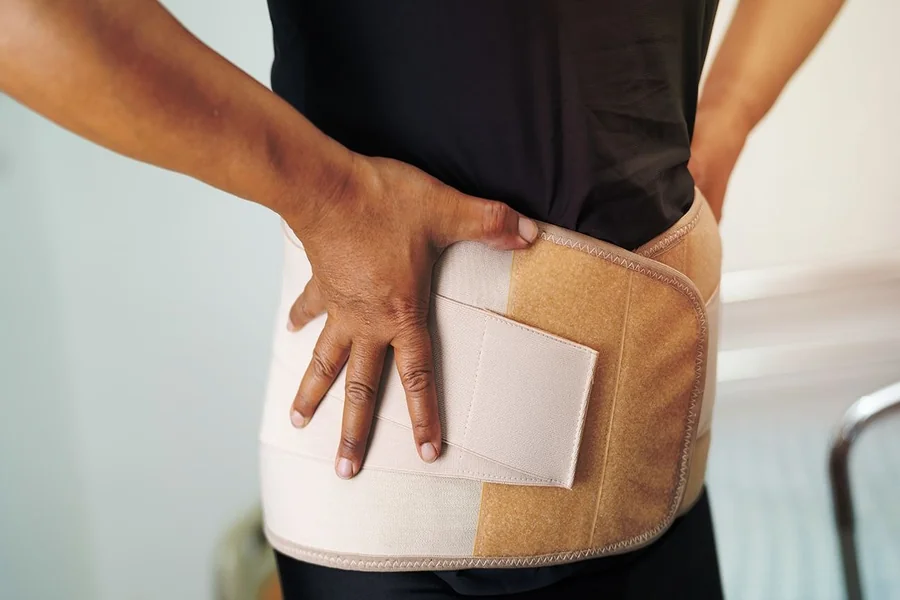
People often think that abdominal binders are only used after surgeries, not knowing that they can also help with everyday aches. Also, for individuals who experience recurrent cycles of lower back strain, they contribute as an effective measure to enhance core stability and reduce spinal load.
As compared to lumbar braces, the binder provides broader compression that encourages balanced support. It doesn’t simply restrict movement; it promotes structural reinforcement where the spine needs it most. Understanding these benefits reveals why it can be a useful addition to everyday back pain & discomfort management.
Let’s jump into it!
What Is an Abdominal Binder?
An abdominal binder is a wide, stretchy fabric belt that goes around the torso to support the abdomen, back, and surgical incisions after procedures like C-sections, hernia repairs, or abdominoplasty.
How an Abdominal Binder for Back Pain Works
An abdominal binder or abdominal belt for back pain functions in certain ways, including:
- Lumbar Support: It acts as a brace that supports the spine, reducing the load on lower back muscles.
- Core Stabilization: By holding abdominal muscles together, the binder provides stability to the entire torso, reducing strain on the back during movement.
- Improved Posture: The compressive feature of the binder helps maintain a straighter posture, which minimizes strain on the back, particularly after injury or surgery.
- Reduced Movement & Pain: It minimizes uncomfortable movement of the abdominal area, providing support for the spine and decreasing discomfort.
- Pressure Distribution: It offers gentle abdominal compression, which is often helpful for alleviating inflammation and swelling after surgery (e.g., C-section).
Can an Abdominal Belt After Delivery Help Relieve Back Pain?
Yes, and this is how:
- Spinal Support: It functions as a spine stabilizer to alleviate strain accumulated in the lower back muscles.
- Improved Posture: New mothers often hunch over while nursing or holding a newborn, causing back pain. A belt helps maintain a more balanced posture, reducing this strain.
- Core Muscle Support: The belt functions as “training wheels” for the core, providing the support that weakened abdominal muscles cannot, which directly alleviates back pressure.
- Pelvic Stability: It helps stabilize the pelvic joints and ligaments that might remain loose after pregnancy, reducing hip and back pain.
Benefits of Using an Abdominal Support for Chronic Back Pain
The following changes can be felt or seen when and after wearing an abdominal support:
- Pain Reduction: Abdominal support belts work by compressing the abdominal area and stabilizing the lumbar spine, which helps to offload pressure from spinal discs and surrounding muscles. This often results in a quick drop in pain.
- Enhanced Stability and Posture: The additional support helps maintain proper spinal alignment and encourages an upright posture. This may also alleviate chronic pain linked to poor ergonomics or muscle weakness.
- Improved Mobility: When you feel more secure and stable, it’s much easier to trust your movements. This makes you more likely to stay active instead of putting off tasks because you are afraid of new injuries or feeling pain.
- Injury Prevention During Activity: When performing strenuous tasks like lifting or prolonged sitting, an abdominal support can reduce strain on the back muscles and ligaments, helping to prevent further injury or muscle fatigue.
Is an Abdominal Hernia Belt Effective for Back Pain Management?
Not really. An abdominal hernia belt is designed to control hernia bulging, not stabilize the spine. While it may give slight core support and temporary relief, it doesn’t treat the causes of back pain. For lasting back pain management, an abdominal belt or lumbar brace is more effective.
Who Should Use an Abdominal Binder for Back Pain Relief?
Individuals who can wear an abdominal binder for back pain relief include:
- Postpartum mothers need it to stabilize weakened muscles and the core.
- Individuals managing strain via an abdominal hernia belt.
- Patients recovering from surgery require extra abdominal support.
- Anyone dealing with chronic lower back pain or pain from bad posture.
How to Choose the Right Abdominal Support Belt for Back Pain
Refer to these steps when searching for an abdominal belt.
- Measure your waist carefully to ensure a snug fit that stabilizes the spine.
- Select breathable fabrics to maintain comfort during daily activities.
- Confirm the width to ensure it covers the whole lower torso for even compression.
Are There Any Risks of Wearing an Abdominal Binder Daily?
When worn tightly or without breaks, an abdominal binder can trigger risks such as:
- Muscle Atrophy: Over-reliance can make your core muscles weaker by lowering their natural workload.
- Skin Irritation: Continuous friction or moisture accumulated under the fabric may cause rashes.
- Circulatory Issues: Excessive tightness tends to restrict blood circulation or lead to digestive discomfort.
- Compromised Breathing: Impaired diaphragm movement may prevent deep, healthy oxygen intake.
Common Mistakes When Using an Abdominal Support Belt
Most people make the following mistakes when using abdominal supports:
- Choosing the wrong size can cause painful pinching or slippage.
- Over-tightening, which restricts circulation and inhibits deep breathing.
- Wearing it too high, missing the lower lumbar region.
- Not incorporating the belt with core exercises.
- Ignoring the importance of maintaining skin hygiene.
- Sleeping in the binder without a medical professional’s advice.
- Buying low-quality fabrics that lack the necessary compression.
- Replacing professional therapy with a belt alone.
Conclusion
It’s crucial to differentiate between a basic abdominal support and a hernia belt when addressing back discomfort. Hernia belts are crafted for targeted medical support and do not provide the structural stability required for spinal relief. In cases of chronic lower back instability, a dedicated binder delivers wider compression that helps reduce disc loading. Selecting the appropriate support for your condition can significantly ease discomfort.


