Battery Chainsaws in Detail: Power Output vs. Portability Trade-Offs
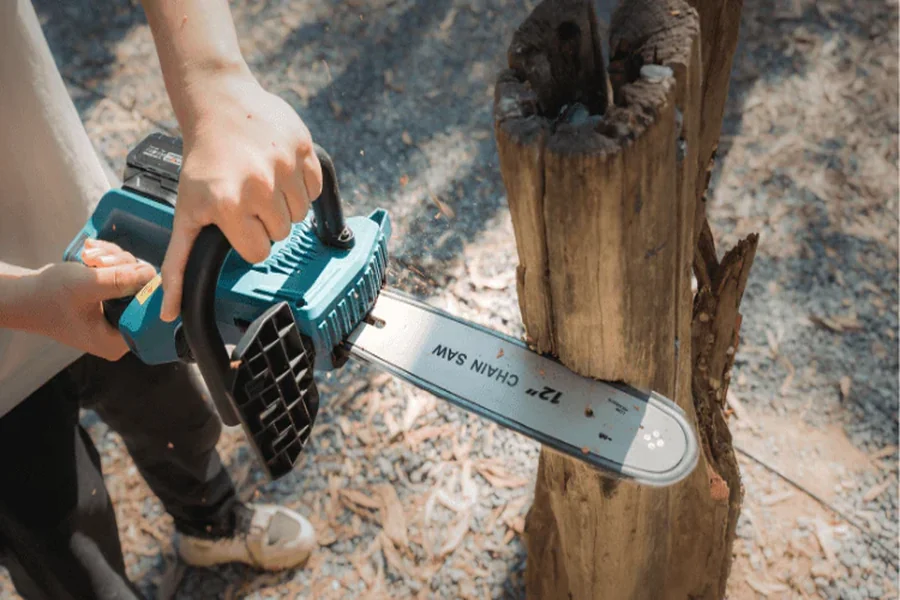
Battery-powered outdoor equipment has evolved dramatically over the past decade. What was once considered a convenient alternative for light yard work has become a capable solution for homeowners, land managers, arborists, and even some professional crews. Modern cordless chainsaws now deliver impressive torque, quieter operation, and lower maintenance while eliminating the inconvenience of fuel mixing and pull starts.
If you’re evaluating a battery chainshaw, understanding the balance between power output and portability is far more important than simply comparing voltage or bar length. The best-performing model isn’t necessarily the biggest one—it’s the one that matches your workload, working environment, and endurance requirements.
Why Power and Portability Matter More Than Specifications Alone
Many buyers focus on battery voltage because it’s easy to compare. However, experienced users know that voltage tells only part of the story.
Real-world performance depends on several factors working together:
- Brushless motor efficiency
- Battery capacity (Ah)
- Electronic power management
- Chain speed
- Chain sharpness
- Wood density
- Overall tool weight
A lighter chainsaw with an efficient brushless motor often completes everyday pruning tasks faster than a heavier machine that becomes tiring after extended use.
Understanding Battery Power Beyond Voltage Ratings
Battery-powered chainsaws commonly operate on 40V, 60V, or 80V platforms. Higher voltage generally allows greater power delivery, but battery chemistry and motor design have become equally important.
Modern lithium-ion batteries provide consistent power throughout most of the discharge cycle, reducing the noticeable performance drop common in earlier cordless tools.
For example:
- 40V systems work well for pruning, trimming, and storm cleanup.
- 60V systems offer excellent versatility for medium-sized firewood and tree maintenance.
- 80V platforms approach the cutting capability of many gas-powered homeowner models while producing significantly less vibration.
According to the U.S. Department of Energy, ongoing advances in lithium-ion battery technology continue improving energy density, charging efficiency, and overall performance across cordless equipment platforms.
Battery Chainshaw Performance Depends on the Entire Cutting System
One common misconception is that a more powerful motor automatically creates faster cutting.
In practice, cutting efficiency comes from a complete system that includes:
Brushless Motor Technology
Brushless motors adjust power output automatically based on cutting resistance. They waste less energy, generate less heat, and require virtually no maintenance.
Chain Speed
Higher chain speed allows smoother cuts through hardwoods while reducing operator effort.
Sharp Chain Condition
Even the highest-powered cordless chainsaw performs poorly with a dull chain. Maintaining sharp cutters often improves productivity more than upgrading to a larger model.
The Hidden Cost of Extra Power: Weight and User Fatigue
Power almost always comes with additional battery weight.
An 80V chainsaw equipped with a large-capacity battery may weigh several pounds more than a compact 40V model. While the extra power is valuable for larger logs, prolonged overhead cutting quickly becomes exhausting.
Over years of field use, one consistent observation stands out: operators generally work more efficiently with tools they can comfortably control rather than those with maximum advertised specifications.
Signs your chainsaw is too heavy include:
- Slower cutting pace after 20–30 minutes
- Reduced cutting accuracy
- Increased shoulder fatigue
- Less confidence during overhead trimming
Portability directly influences both productivity and safety.
Choosing the Right Battery Chainsaw for Different Jobs
Matching the tool to the task produces better results than simply buying the most powerful model available.
Light Yard Maintenance
Ideal for:
- Limb trimming
- Garden cleanup
- Small branches
- Routine landscaping
Recommended characteristics:
- 10–14 inch bar
- Lightweight battery
- Excellent maneuverability
Firewood Processing
Better suited to:
- 14–18 inch bar
- Larger battery capacity
- Higher chain speed
- Longer runtime
Storm Cleanup
Storm damage often requires mobility more than maximum cutting force.
Compact cordless models are easier to transport around properties without worrying about fuel spills or difficult starting conditions.
Runtime Is Often More Important Than Peak Power
Many buyers ask, “How much power does it have?”
Experienced users often ask a different question:
“How much work can I complete before changing batteries?”
Runtime depends on:
- Battery amp-hour rating
- Wood hardness
- Cutting technique
- Ambient temperature
- Chain maintenance
Planning longer projects around battery rotation is often more efficient than carrying one oversized battery that increases fatigue.
Common Buying Mistakes That Reduce Long-Term Satisfaction
Choosing solely based on specifications can lead to disappointment.
Some of the most common mistakes include:
- Buying more power than necessary.
- Ignoring battery ecosystem compatibility.
- Underestimating total tool weight.
- Neglecting replacement battery costs.
- Overlooking charging speed.
- Failing to maintain proper chain tension.
A balanced setup usually provides greater long-term satisfaction than chasing the highest advertised performance numbers.
Battery vs. Gas Chainsaws: Which One Makes More Sense Today?
For many homeowners, battery technology has narrowed the gap considerably.
| Feature | Battery Chainsaw | Gas Chainsaw |
| Startup | Instant | Pull-start required |
| Maintenance | Minimal | Regular engine maintenance |
| Noise | Lower | Higher |
| Emissions | None during use | Exhaust emissions |
| Vibration | Lower | Higher |
| Fuel Management | None | Fuel mixing and storage |
Gas-powered equipment still offers advantages for continuous commercial forestry work, but battery-powered systems now handle many residential and property maintenance tasks with greater convenience.
The U.S. Environmental Protection Agency (EPA) also provides guidance on reducing emissions from small gasoline-powered engines, highlighting one reason many users are transitioning toward battery-powered outdoor equipment.
Practical Tips for Maximizing Performance
To get the most from your cordless chainsaw:
- Keep chains properly sharpened.
- Clean the guide bar after heavy use.
- Store batteries indoors during extreme temperatures.
- Allow batteries to cool before charging.
- Use manufacturer-recommended chain oil.
- Rotate multiple batteries for extended projects.
- Check chain tension before every cutting session.
These simple habits often extend both battery life and overall tool longevity.
Frequently Asked Questions
Are battery chainsaws powerful enough for hardwood?
Yes. Modern high-voltage cordless models can efficiently cut many hardwood species when equipped with a sharp chain and the appropriate bar length.
How long does a battery typically last?
Most lithium-ion batteries provide several hundred to well over a thousand charge cycles, depending on storage conditions, charging habits, and operating temperatures.
Is a larger battery always better?
Not necessarily. Larger batteries increase runtime but also add weight, which can reduce comfort during extended use or overhead cutting.
Can battery chainsaws replace gas models?
For many homeowners, acreage owners, and maintenance professionals, today’s battery-powered chainsaws can successfully replace gas equipment for routine cutting tasks. Heavy commercial logging remains one area where gas models often retain an advantage.
What should first-time buyers prioritize?
Focus on overall balance rather than maximum power. Weight, battery compatibility, runtime, ergonomics, and intended workload should guide your decision more than voltage alone.
Final Thoughts
The conversation around cordless chainsaws has shifted from whether they can compete with gas-powered equipment to which battery platform best fits the work ahead. The smartest purchase isn’t determined by the largest battery or the highest voltage—it comes from understanding the relationship between cutting power, runtime, ergonomics, and portability.
Whether you’re pruning backyard trees, preparing seasonal firewood, or cleaning up after severe weather, selecting a chainsaw that aligns with your actual workload will deliver better efficiency, less fatigue, and a safer overall cutting experience. As battery technology continues advancing, the gap between portability and performance keeps shrinking, making cordless chainsaws an increasingly practical choice for both occasional users and experienced professionals.