Best Uses for White Latex Caulk in Home and Professional Projects
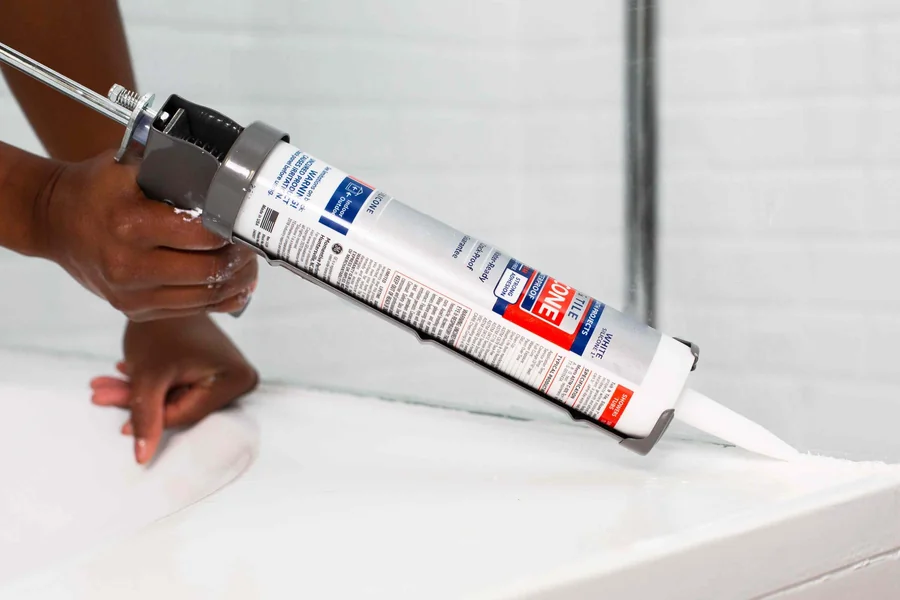
White latex caulk is a versatile tool that’s essential for both home improvement enthusiasts and professionals. Known for its flexibility and ease of use, it’s a go-to solution for sealing gaps, cracks, and joints in a variety of materials. Whether tackling minor repairs or large-scale projects, this handy product ensures durability and a polished finish.
From preventing air leaks around windows to creating smooth edges in trim work, white latex caulk proves invaluable in enhancing both functionality and aesthetics. Its quick-drying and paintable properties make it a favorite choice for achieving seamless results. Understanding its best uses can help maximize its potential in any project.
Where Latex Caulk Performs Best: Kitchens, Bathrooms, and Trimwork
White Latex Caulk excels in high-moisture areas like kitchens and bathrooms. It’s commonly applied around sinks, countertops, backsplashes, bathtubs, and shower edges to create watertight seals. Proper sealing in these spaces prevents water damage and reduces mold and mildew growth. Its flexibility makes it effective for handling moderate movement in joints caused by temperature or humidity changes.
In trimwork, white latex caulk ensures a polished finish by filling gaps between molding, baseboards, and walls. Its quick-drying and paintable properties help achieve seamless color matching, enhancing aesthetics. It also works well on crown molding and window frames, hiding imperfections and preventing air drafts.
For those exploring white latex caulk options, Visit now to discover quality products through BB Industries’ online selection.
Paintability and Finish Flexibility: Key Advantages of Latex Formulas
White latex caulk offers exceptional paintability, making it an ideal choice for projects requiring seamless color integration. Once cured, its surface readily accepts paint, allowing users to match or enhance surrounding finishes with ease. This feature is particularly advantageous during trim work or when caulking baseboards, crown molding, or window frames, where achieving a uniform appearance is essential.
The flexibility of latex caulk ensures durable results even in areas exposed to moderate expansion or contraction due to temperature or humidity changes. Its adaptability helps maintain a smooth finish over time, minimizing the risk of cracking or peeling paint. Professionals rely on this versatility for both interior and exterior applications where aesthetic consistency is critical.
Using white latex caulk streamlines the preparation phase of painting projects. Its smooth application and ability to fill gaps with precision simplify surface prep, reducing labor and improving efficiency. Visitors interested in exploring premium white latex caulk options can visit now BB Industries’ selection to find reliable products suited for a range of projects.
How to Prepare Surfaces for Clean Application and Long-Term Hold
Surface preparation ensures effective adhesion and durability when using white latex caulk. Proper cleaning, drying, and smoothing are critical steps.
1. Clean Surfaces Thoroughly
Remove dirt, dust, grease, and old caulk or sealant from the application area. Use a utility knife or caulk removal tool for hardened residues. Rinse the surface with a damp cloth or mild cleaning solution, then let it dry completely.
2. Ensure Surface is Dry
Moisture inhibits adhesion. Dry the area completely before applying white latex caulk, especially in high-moisture zones like kitchens and bathrooms.
3. Smooth and Prepare the Area
Use fine-grit sandpaper to level uneven areas. For cracks or gaps, ensure no loose debris is present to allow for seamless application.
4. Mask Adjacent Areas
Apply painter’s tape along edges near the joint to create cleaner lines and protect surrounding surfaces during caulk application.
Following these preparation steps optimizes the performance and appearance of white latex caulk. Visit now to explore BB Industries’ reliable product options, suited for professional and home use.
Comparing Silicone vs. Latex Caulk in Indoor Environments
Silicone and white latex caulk differ in composition, application, and performance, making each suitable for specific indoor conditions. Understanding these differences helps in selecting the right product.
Adhesion and Flexibility: Silicone provides superior adhesion and flexibility, making it effective for areas requiring long-lasting waterproof seals, such as around bathtubs or sinks. However, latex caulk offers enough flexibility for applications like sealing trim or baseboards, where moderate joint movement occurs.
Paintability: White latex caulk is paintable, allowing seamless color integration in projects such as molding or crown trim. Silicone caulk resists paint, limiting its use in areas where aesthetic uniformity matters.
Ease of Application: Latex caulk’s water-based formula simplifies application and cleanup with just soap and water. Silicone requires solvents for cleanup, adding complexity during installation.
Durability in Moisture-Prone Areas: While both types perform well in moisture conditions, silicone’s resistance to water and mold makes it ideal for high-moisture environments like showers. Latex caulk suits low to moderate moisture spaces and indoor areas where frequent painting is needed.
Choosing between these types depends on the project’s specific requirements. For those seeking high-quality white latex caulk options for various home or professional needs, BB Industries’ online store offers reliable products. Visit now to explore their selection.
Crack-Resistance Ratings You Should Check Before Buying
Crack-resistance ratings help determine white latex caulk’s durability under stress or movement. High ratings indicate better flexibility, reducing the risk of cracks in areas prone to expansion and contraction, such as joints in trim work or bathroom edges.
Certifications, like ASTM (American Society for Testing and Materials) standards, often accompany reliable crack-resistance ratings. Look for products meeting or exceeding ASTM C834 or C920 specifications for performance assurance. These ensure the caulk remains intact despite minor shifts in materials caused by temperature or humidity changes.
Manufacturer recommendations provide additional insights into a product’s crack-resistance. Compare technical data sheets to identify caulk designed for specific conditions, like high-moisture environments or heavy-duty professional applications.
Selecting white latex caulk with proper crack-resistance guarantees seamless finishes and long-term reliability in both home and professional projects.
Cleanup and Curing Times for Water-Based Latex Products
Water-based latex caulk allows for straightforward cleanup using only water and a cloth. Unlike solvent-based alternatives, it doesn’t release strong odors, making it more convenient for indoor use. Excess caulk can be wiped away easily before it starts curing, reducing effort during application.
Curing typically completes within 24 hours, depending on temperature, humidity, and bead thickness. Thin layers cure faster, while thicker applications in cooler or more humid conditions may take slightly longer. Ensuring a clean, dry surface before application promotes proper curing and adhesion. For reliable results, refer to the drying times specified by the manufacturer.
For professionals and DIY users, white latex caulk’s fast cleanup and relatively short curing period make it suitable for tasks requiring quick turnarounds. Visit now to explore BB Industries’ collection of quality caulking products designed for a variety of project needs.
Recent Manufacturing Improvements in Eco-Safe Latex Sealants
Advancements in manufacturing have made white latex caulk more eco-friendly and efficient than ever. Modern formulations focus on reducing environmental impact by incorporating low-VOC (volatile organic compound) ingredients, ensuring safer indoor air quality during and after application. These improvements cater to environmentally conscious users without compromising performance.
Enhanced flexibility and durability have also become standard features, allowing the caulk to withstand greater stress and movement over time. Additionally, innovative packaging designs now minimize waste, making application more precise and user-friendly. With these developments, white latex caulk continues to be a reliable, versatile choice for both home and professional projects.