
Breather Valve: Function, Types, and Benefits for Safety
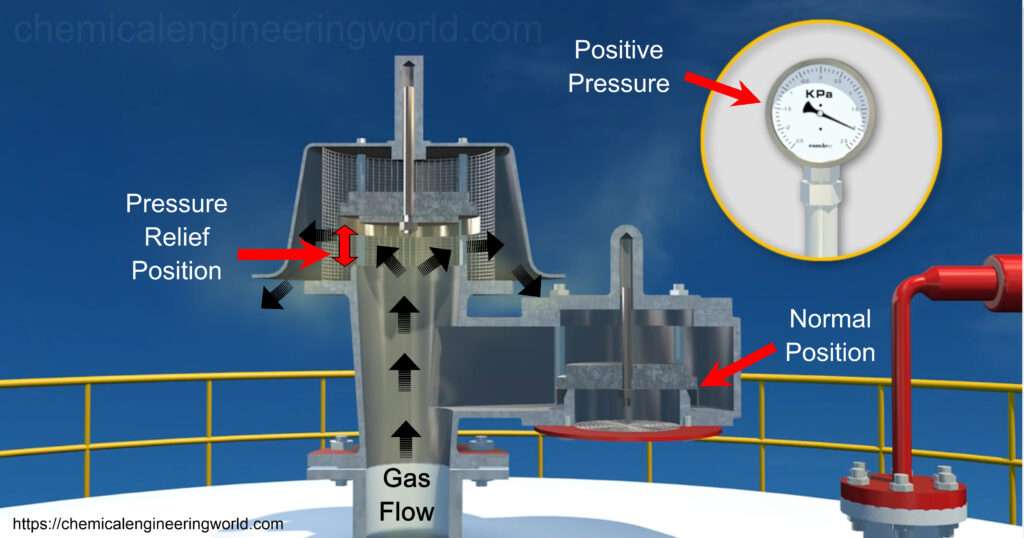
A breather valve is a crucial component in industrial storage tanks and containers, ensuring pressure regulation and protecting against overpressure or vacuum conditions. Also known as a pressure-vacuum relief valve (PVRV), it prevents structural damage and enhances operational safety. This article explores the function, types, and benefits of a breather valve to help industries maintain efficient and safe storage systems.
Function of a Breather Valve
The primary function of a breather valve is to maintain a balanced pressure inside storage tanks. It allows the tank to “breathe” by venting excess pressure or allowing air intake when internal pressure drops. This is especially critical in environments where temperature fluctuations, filling, or emptying processes impact internal pressure levels.
1. Pressure Relief
A breather valve opens when internal pressure exceeds the set limit, releasing excess gas or vapors to prevent tank deformation or rupture.
2. Vacuum Relief
When the internal pressure drops below atmospheric pressure, the valve allows air to enter, preventing implosion or collapse of the tank.
3. Environmental Protection
A breather valve reduces emissions of volatile organic compounds (VOCs) into the atmosphere, ensuring compliance with environmental regulations.
Types of Breather Valves
Different types of breather valves cater to specific industrial needs based on pressure settings, application, and environmental conditions.
1. Weight-Loaded Breather Valve
This type of breather valve uses calibrated weights to regulate pressure. It operates without springs and is commonly found in low-pressure storage tanks.
2. Spring-Loaded Breather Valve
Equipped with a spring mechanism, this breather valve provides precise pressure control. It is often used in high-pressure applications requiring accurate pressure settings.
3. Pilot-Operated Breather Valve
Designed for large-scale industrial storage tanks, this breather valve offers precise control over pressure and vacuum relief by using a pilot mechanism to enhance sealing and operation.
4. Flame Arrester Breather Valve
This specialized breather valve incorporates a flame arrester to prevent ignition of flammable vapors, providing an added layer of safety in hazardous environments.
Benefits of a Breather Valve
Installing a breather valve offers several advantages for industrial storage tanks, enhancing safety, efficiency, and regulatory compliance.
1. Prevents Tank Damage
By regulating internal pressure, a breather valve prevents structural damage caused by excessive pressure buildup or vacuum conditions.
2. Enhances Safety
A breather valve reduces the risk of explosions and implosions, ensuring a safer working environment for personnel and equipment.
3. Reduces Product Loss
By controlling vapor emissions, a breather valve minimizes product evaporation, reducing material loss and improving cost-efficiency.
4. Ensures Regulatory Compliance
Industries dealing with hazardous materials must comply with environmental regulations. A breather valve helps meet emission control standards and reduces the risk of penalties.
5. Extends Equipment Lifespan
Maintaining optimal pressure conditions with a breather valve prevents wear and tear on storage tanks, extending their operational lifespan.
Common Issues and Maintenance Tips
To ensure the longevity and effectiveness of a breather valve, regular maintenance is essential.
1. Blockages and Contamination
Over time, dirt, dust, or chemical residues can clog a breather valve, reducing its efficiency. Regular cleaning and inspections help maintain optimal performance.
2. Improper Calibration
A breather valve must be set to the correct pressure settings. Incorrect calibration can lead to excessive pressure buildup or inadequate vacuum relief.
3. Corrosion and Wear
In harsh environments, a breather valve may corrode or deteriorate. Using corrosion-resistant materials and performing routine checks can prevent failures.
4. Seal and Gasket Issues
Damaged seals or gaskets can cause leaks, compromising the function of a breather valve. Periodic replacement of these components ensures reliable operation.
Conclusion
A breather valve is an essential safety device for industries that rely on storage tanks to handle volatile or hazardous substances. By regulating internal pressure, preventing tank damage, and reducing emissions, a breather valve plays a critical role in operational efficiency and environmental compliance. Regular maintenance and selecting the right type of breather valve can ensure long-term reliability and safety in industrial applications.


