Compare Car Lease Deals: A Smart Way to Drive Your Dream Car
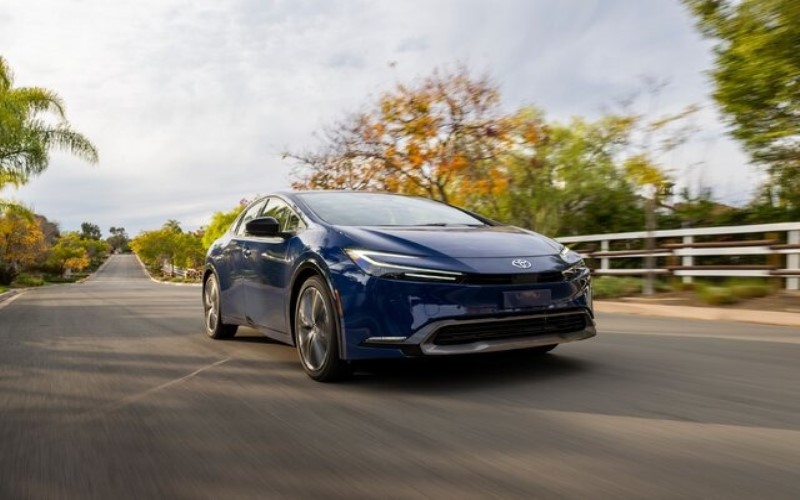
When considering a new car, one option that’s becoming increasingly popular is leasing. Car leasing offers many benefits, including lower monthly payments, the ability to drive a new car every few years, and fewer maintenance concerns. However, to make the most of these advantages, it’s essential to carefully compare car lease deals to ensure you’re getting the best value for your money. Here’s why comparing lease deals is so important.
Understanding Car Leasing
Before jumping into the details of how to compare car lease deals, it’s important to understand what car leasing entails. Leasing is essentially a long-term rental agreement where you pay a fixed monthly amount for the use of a car over a set period, typically two to four years. At the end of the lease term, you return the car, and you have the option to lease a new one or purchase the car at a predetermined price.
Leasing offers some distinct advantages over buying a car outright. For instance, monthly lease payments are often lower than loan repayments, which means you can drive a higher-end car for a more affordable price. Additionally, leased vehicles are often under warranty for the duration of the lease, which reduces the risk of unexpected repair costs.
Key Factors to Consider When Comparing Car Lease Deals
When it comes to comparing car lease deals, there are several key factors to keep in mind. These factors can significantly affect the overall cost and appeal of a deal:
- Monthly Payments: This is the most obvious factor to compare. Make sure the monthly payment fits within your budget and consider the length of the lease agreement. Longer leases tend to have lower payments, but this could mean you’re locked into a contract for a longer period.
- Initial Payment: Many car leases require an initial payment or deposit, which can be quite substantial. Look out for deals that offer low or zero deposit options to reduce upfront costs.
- Annual Mileage Allowance:Most lease agreements come with a mileage limit, which can be anywhere from 6,000 to 15,000 miles per year. Exceeding this limit often results in high penalties, so make sure the mileage allowance suits your driving habits. If you plan on driving long distances regularly, it may be worth negotiating a higher mileage limit.
- Maintenance and Warranty: Check if the lease includes maintenance cover or if it’s optional. Some leases may include full maintenance packages, covering all routine services and repairs, while others may leave you with additional costs.
- Excess Wear and Tear: At the end of the lease, you’ll need to return the car in good condition. Some deals include protection against wear and tear, while others might charge you for any damage beyond the standard wear.
How to Compare Car Lease Deals Effectively
To get the best deal, you need to compare several offers across different providers. Start by using online comparison tools, which allow you to filter deals based on your budget, preferred car model, and lease terms. These tools can help you narrow down your choices quickly and easily. Additionally, take the time to read customer reviews and ask questions about the terms and conditions of each deal before committing.
Visiting multiple dealerships or leasing brokers can also be helpful, as you may find exclusive deals or promotions that aren’t available online. Don’t forget to ask about any hidden fees or charges that could affect the overall cost of the lease. Lets Talk Leasing
Conclusion
Leasing a car can be an excellent way to drive a new car with lower monthly payments and fewer maintenance concerns. However, to ensure you get the best possible deal, it’s crucial to compare car lease deals thoroughly. By considering factors such as monthly payments, initial deposit, mileage limits, and included services, you can secure a lease that fits your needs and budget.