Giving an Old Home A New Life
Understanding the Home’s Original Structure
Every old home begins its transformation with understanding. Before any renovation work starts, it is essential to study the structure, materials, and history of the building. Older homes often hide issues such as aging pipes, outdated wiring, or weakened support beams. Identifying these early helps prevent costly surprises later and ensures that restoration decisions are made with clarity rather than guesswork.
Preserving What Gives It Character
One of the greatest strengths of older homes is their character. Features like original wooden floors, ceiling mouldings, fireplaces, and handcrafted doors often carry craftsmanship that is difficult to replicate today. Restoring rather than replacing these elements helps preserve the identity of the home. Even small details, when carefully repaired, can maintain the sense of history that makes the property unique.
Upgrading Essential Systems for Modern Living
While preserving charm is important, modern comfort cannot be ignored. Electrical systems, plumbing, heating, and insulation in older homes are often outdated and inefficient. Upgrading these systems ensures safety and improves everyday living. The challenge is integrating modern infrastructure in a way that does not disturb the home’s original aesthetic, creating a balance between reliability and heritage.
Refreshing Interiors with Thoughtful Design Choices
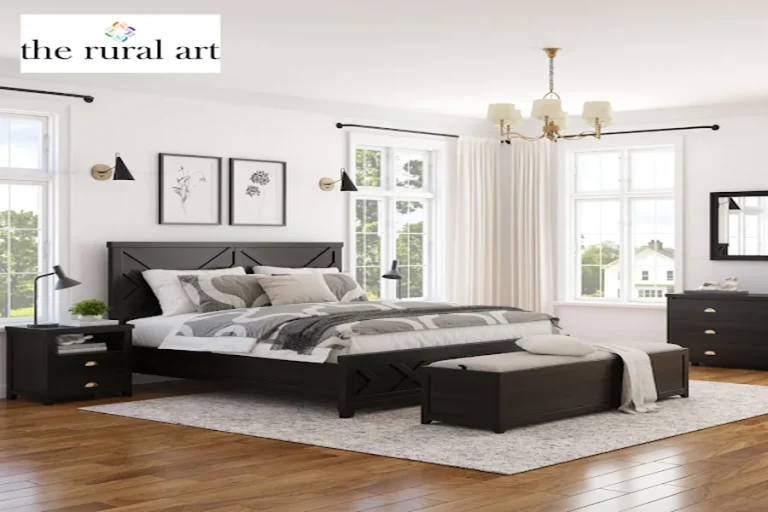
Interior design plays a major role in breathing new life into an old home. Neutral tones, natural textures, and simple layouts help highlight original features without overwhelming them. Furniture and fabric choices also matter, especially when working with existing pieces. For example, soft furnishings and seating can be updated instead of replaced, and homeowners may consider solutions like The Slipcover Company to refresh sofas and chairs while preserving their structure and reducing waste.
Improving Energy Efficiency and Sustainability
Modern renovations often focus on sustainability, and old homes offer many opportunities for improvement. Adding insulation, installing energy-efficient windows, and using eco-friendly materials can significantly reduce energy consumption. Reusing original materials wherever possible also reduces waste. This approach not only lowers long-term costs but also makes the home more environmentally responsible without compromising its character.
Balancing Old Features with Modern Comfort
A successful renovation finds harmony between the old and the new. Too much modernization can erase character, while too little can leave a home impractical. The goal is to preserve defining architectural features while introducing comfort-driven upgrades. This balance ensures that the home remains both livable and visually connected to its past.
Planning and Budgeting the Renovation
Careful planning is essential when working with older properties. Unexpected repairs are common, so setting a flexible budget is important. Clear timelines and phased work schedules help keep the project under control. Prioritizing structural and safety improvements first allows cosmetic changes to be made later without unnecessary delays or financial strain.
Working with Skilled Professionals
Restoring an old home often requires expertise that goes beyond basic renovation skills. Architects, builders, and interior designers who understand older structures can help avoid damaging original features. Their experience is especially valuable when dealing with uneven layouts, aging materials, or heritage preservation requirements. Professional input can turn challenges into design opportunities.
Enhancing Exterior Appeal and Protection
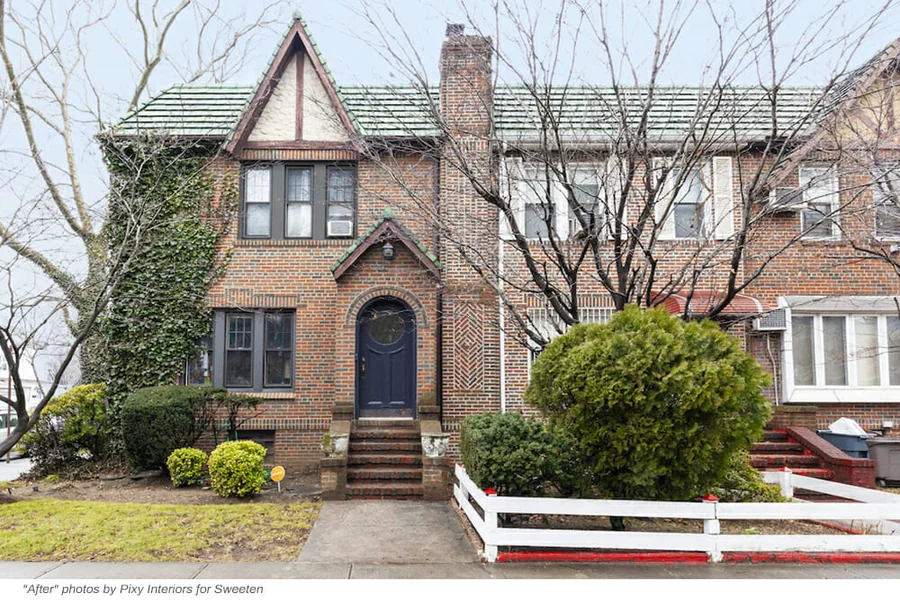
The exterior of an old home is just as important as the interior. Restoring brickwork, repairing roofs, repainting facades, and improving landscaping can dramatically change the home’s appearance. These updates also protect the building from weather damage and extend its lifespan. A well-maintained exterior sets the tone for the entire property.
Adding Personal Touches and Modern Identity
Once the core restoration is complete, personal style brings the home to life. Artwork, lighting, textiles, and furniture choices allow homeowners to express individuality. These finishing touches should complement rather than compete with original features. The result is a space that feels both historically grounded and personally meaningful.
Embracing the Emotional Value of Restoration
Renovating an old home is not just a physical process but also an emotional one. Each repaired wall, restored beam, or preserved feature carries a sense of continuity between past and present. Living in such a space often fosters a deeper appreciation for craftsmanship, history, and slower, more intentional living.
Creating a Home Built for the Future
When done thoughtfully, restoring an old home transforms it into something timeless. It becomes a blend of history and modern function, where every detail has purpose and meaning. Rather than being replaced, the home evolves—continuing its story for future generations while offering comfort, efficiency, and character in equal measure.