How Fast Do Electric Bikes Go?
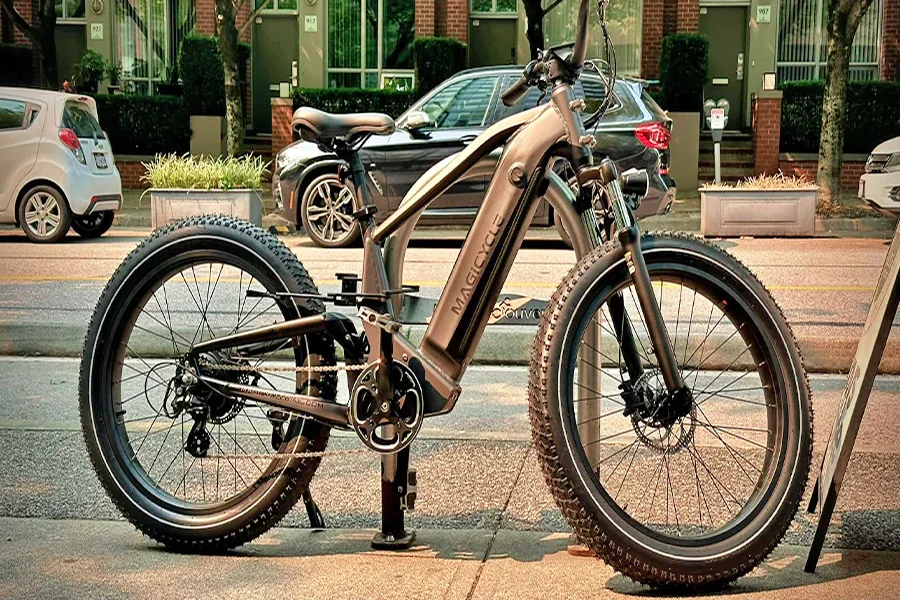
Electric bikes have gained significant popularity in recent years as an innovative solution for urban commuting, outdoor exploration, and eco-friendly travel. They bridge the gap between traditional bicycles and motorized vehicles, offering both efficiency and speed. One of the most common questions people ask is: how fast do electric bikes really go? The answer depends on various factors such as motor capacity, legal classifications, terrain, and the rider’s input. This article explores those aspects in detail, helping you understand the speed potential and limits of modern electric bikes.
The Basics of Electric Bike Speed
Electric bikes, often referred to as e-bike models, are built with motors that assist pedaling rather than replacing it entirely. Their speed is typically influenced by the motor’s wattage and the maximum assist allowed by law in a given region. Most standard e-bikes reach speeds between 15 to 28 miles per hour, depending on their class and design.
Unlike motorcycles, e-bikes still rely partly on human effort. Riders can usually choose assistance levels that balance speed with battery life, offering flexibility for different riding conditions. These settings make electric bikes a versatile choice for both city streets and recreational trails.
Legal Classifications and Their Impact on Speed
Different countries and states classify e-bikes into categories that regulate their top speeds:
- Class 1 e-bikes – Provide pedal-assist up to 20 mph, making them widely legal on bike paths.
- Class 2 e-bikes – Feature a throttle with assistance capped at 20 mph.
- Class 3 e-bikes – Offer pedal-assist up to 28 mph, often restricted to roadways or designated lanes.
These categories ensure safety and compliance with local traffic laws. Riders should always check regulations before choosing an electric bike, as exceeding speed limits can result in fines or restricted use.
Factors That Influence Top Speed
While legal limits play a major role, several other factors determine how fast an electric bike can go in real-world scenarios:
- Motor power – Higher wattage motors provide more assistance, helping reach maximum speeds more easily.
- Battery voltage – A stronger battery delivers more consistent power, especially at higher speeds.
- Weight – The combined weight of the rider, bike, and cargo affects acceleration and top speed.
- Terrain – Hills, rough surfaces, or headwinds can reduce achievable speed.
- Tire type and pressure – Smooth, well-inflated tires maximize efficiency and speed.
These factors work together, making every ride unique.
Comparing Electric Bikes to Traditional Bicycles
One of the key advantages of an e bike is the ability to sustain higher average speeds with less effort. While traditional bicycles often average 10 to 12 mph for casual riders, electric bikes comfortably maintain 15 to 20 mph. On commutes, this difference translates into reduced travel times and less physical strain. Additionally, electric bikes handle hills and headwinds more effectively, allowing riders to maintain speed in conditions where a standard bicycle would struggle. This advantage makes e-bikes an appealing option for daily commuting and longer rides alike.
Performance of High-Speed Electric Bikes
Some advanced electric bikes are designed specifically for higher performance. These models, often considered “speed pedelecs,” can reach speeds of up to 28 mph or more. In some countries, these bikes may require licensing, helmets, or registration due to their higher speeds. For enthusiasts and commuters covering long distances, high-speed e-bikes provide a balance of power and efficiency. However, they are generally more expensive and may not be permitted on standard bike paths. Riders interested in such models should carefully research local laws and infrastructure compatibility.
Safety Considerations at Higher Speeds
Riding at higher speeds requires increased responsibility and awareness. Safety equipment becomes even more critical, including helmets, lights, and reflective gear. Braking systems also need to be strong enough to handle higher velocities, which is why many performance e-bikes are equipped with hydraulic disc brakes. Maintaining control at higher speeds also involves proper handling techniques. Riders should keep both hands on the handlebars, maintain safe distances from vehicles, and be prepared for sudden stops. Investing in safety gear and practicing defensive riding helps ensure that faster speeds remain enjoyable and safe.
The Role of Technology in Speed Management
Modern electric bikes come with advanced technology that manages speed and performance. Features such as programmable controllers, smartphone integration, and customizable assist levels allow riders to tailor their experience. Some systems even include GPS-based speed restrictions that adjust assistance based on location, ensuring compliance with local regulations. As technology advances, e-bikes will likely become even more adaptable, offering riders safe ways to enjoy higher speeds without sacrificing efficiency.
The Future of Electric Bike Speeds
As demand grows, manufacturers are developing increasingly powerful and efficient electric bikes. Future innovations may include lighter batteries, stronger motors, and smarter assistance systems that optimize both speed and range. Regulations are also evolving, with some regions considering higher legal limits for electric bikes to accommodate faster commuting needs. These changes could make e bike models even more practical for replacing short car trips, reducing congestion, and supporting sustainable transportation.
Conclusion
The speed of an electric bike depends on many factors, including legal classifications, motor power, and riding conditions. While most models range between 15 and 28 mph, high-performance versions can go even faster under the right circumstances. For commuters and recreational riders alike, an e bike offers a reliable balance of speed, safety, and efficiency. As technology and regulations continue to advance, electric bikes will play an increasingly vital role in shaping the future of personal mobility, delivering both convenience and sustainability at impressive speeds.