How General Dentistry Helps Reduce Tooth Sensitivity Over Time

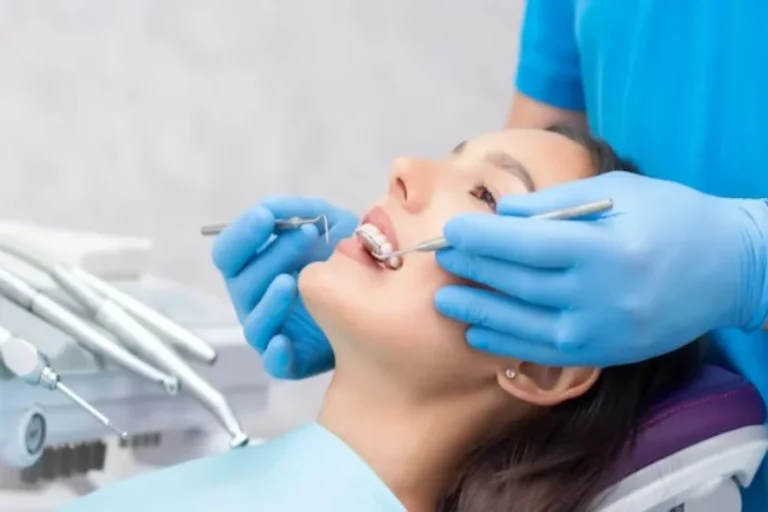
Tooth sensitivity can be a sharp, uncomfortable experience that disrupts daily life. You don’t have to live with it. Routine care provides a straightforward path to relief. Visiting your dentist regularly plays a crucial role in reducing sensitivity over time. During these visits, dentists tackle existing issues, clean your teeth, and give personalized advice. Treatments like fluoride applications and sealants strengthen teeth. They protect your enamel, reducing sensitivity. Many also choose specific procedures to address advanced sensitivity. Options include fillings, crowns, or even dental implants. In Canada, for example, dental implants Toronto have become a popular choice for those seeking long-term solutions. They provide stability and strength, helping to alleviate sensitivity caused by damaged teeth. You won’t have to suffer through the discomfort. Instead, trust your dentist to guide you towards a comfortable, pain-free life. Embrace the changes that each visit can bring and rediscover the joy of eating and drinking comfortably.
Why Routine Check-ups Matter
Regular dental visits are essential in preventing sensitivity. Dentists check your teeth and gums, identifying potential problems before they worsen. Early intervention can save you from future pain. When dentists clean your teeth, they remove plaque and tartar. This process reduces the risk of cavities and gum disease, which can contribute to sensitivity.
Treatments That Help
To combat sensitivity, dentists use several techniques. Fluoride treatments are common. They strengthen enamel, providing a protective barrier against sensitivity. Sealants are another option. They cover the grooves of your teeth, blocking exposure to heat and cold.
For more advanced cases, procedures such as fillings or crowns may be necessary. These treatments repair damaged or decayed areas, reducing exposure to sensitive spots. In certain situations, dental implants become a viable option. They replace missing or damaged teeth, restoring function and reducing discomfort.
Comparison of Treatment Options
| Treatment | Purpose | Pros | Cons |
|---|---|---|---|
| Fluoride Treatment | Strengthens enamel | Quick and easy | May require multiple sessions |
| Sealants | Protects teeth grooves | Long-lasting | Not suitable for all ages |
| Fillings | Repairs decay | Immediate relief | May need replacement over time |
| Crowns | Covers damaged teeth | Strong and durable | Can be costly |
| Dental Implants | Replaces missing teeth | Permanent solution | Requires surgery |
The Role of Daily Care
Daily habits impact your sensitivity. Choose toothpaste for sensitive teeth. It contains ingredients that soothe and protect. Soft-bristled toothbrushes prevent enamel wear. Gentle brushing improves gum health, reducing sensitivity.
Dietary Choices
Your diet can also affect tooth sensitivity. Limit acidic foods and drinks. They erode enamel and increase sensitivity. Calcium-rich foods support enamel strength. For more information, visit National Institute of Dental and Craniofacial Research.
Consult a Professional
If sensitivity persists, seek professional advice. Dentists evaluate your situation and recommend suitable treatments. They use advanced technology to pinpoint the cause of sensitivity. Early diagnosis leads to better outcomes. Trust your dentist’s expertise to guide you.
Maintaining Progress
After addressing sensitivity, maintain regular check-ups. Consistent care ensures lasting results. Follow your dentist’s recommendations to prevent recurrence. Celebrate the comfort and ease that comes with reduced sensitivity. Embrace the confidence of enjoying meals and drinks without fear.
The journey to a more comfortable smile begins with understanding. Gain insight into how your actions affect your sensitivity. Take control with proactive measures and professional support. Relish the moments free from discomfort and enjoy the benefits of a healthier mouth.