How Grocery Stores Use Produce Displays to Increase Sales (And What Equipment Makes It Work)
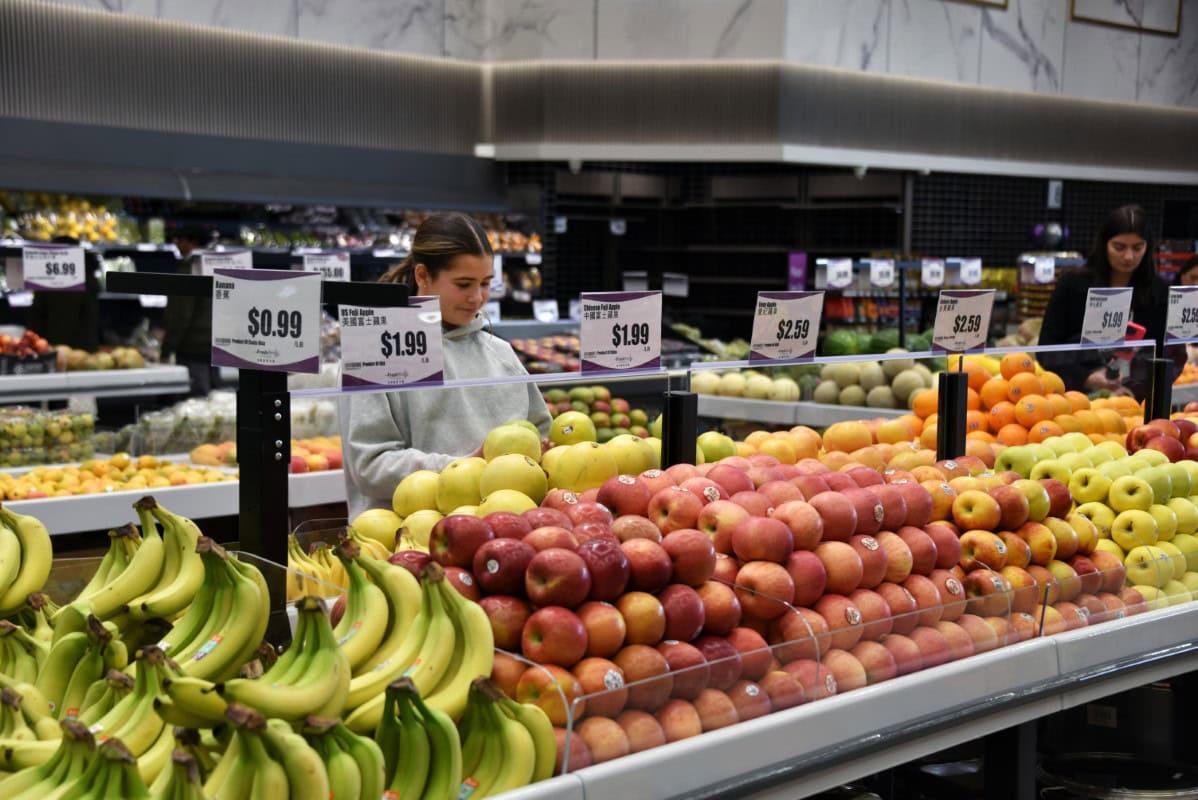
Fresh produce is one of the first things shoppers notice when they walk into many grocery stores, and it’s not an accident. Bright fruit, neatly stacked vegetables, seasonal colour, and the feeling of freshness all help shape a shopper’s impression of the entire store. Even before someone checks a price tag, the produce section suggests quality, value, abundance, and care.
Which is why well-planned grocery store produce displays matter so much for retailers that want to increase sales without relying only on discounts. A good display does more than hold apples, lettuce, or tomatoes. It guides movement, highlights high-margin items, encourages impulse purchases, and makes fresh food feel easier to choose. When the right display strategy is paired with the right equipment, the produce department becomes a stronger sales engine.
Freshness Starts With Presentation
Shoppers often judge produce with their eyes first. Bruised fruit, empty bins, poor lighting, or awkward layouts can make even good products seem less appealing. Clean, organized displays give the opposite impression. They make produce look fresher, easier to shop, and more trustworthy.
Presentation also helps reduce hesitation. When leafy greens are arranged by variety or seasonal items are placed near the front, customers can quickly scan what’s available, decide, and keep moving.
Layout Can Influence Basket Size
Produce displays can subtly encourage shoppers to buy more by shaping how they move through the department. End-cap displays, tiered tables, orchard-style bins, and angled racks all create visual stopping points. These displays help featured items stand out from the usual rows of refrigerated cases and flat tables.
Cross-merchandising is another useful tactic. A tomato display near fresh basil, avocados beside limes, or bagged salads near prepared toppings can turn one planned purchase into several related purchases.
The Equipment Behind Better Displays
Produce displays handle constant restocking, moisture, weight, and daily customer traffic. Equipment that warps, stains, or becomes difficult to clean can hurt the department’s appearance over time. Good fixtures should be sturdy, food-safe, easy to maintain, and flexible enough to support different merchandising plans.
Why Flexibility Matters in Produce
Produce departments change more often than many other areas of a grocery store. Summer berries, fall squash, winter citrus, and spring greens all need different display approaches. Stores that rely on flexible equipment can refresh the department without a full redesign.
This flexibility also helps staff manage inventory more effectively. Adjustable shelves, removable dividers, mobile tables, and stackable bins make it easier to respond to delivery volume, promotions, and sell-through rates. A display that looks full without being overstocked can protect freshness while still creating a sense of abundance.
A Better Display Builds Shopper Confidence
Produce sales grow when shoppers feel confident about what they are buying. The right display makes fresh food look appealing, accessible, and worth adding to the cart. This means produce equipment should be treated as part of the sales strategy, not just part of the store furniture. When presentation, layout, and fixture quality work together, the produce section can quietly influence bigger baskets and stronger customer loyalty.