How Often Should You Disinfect Baby Toys?
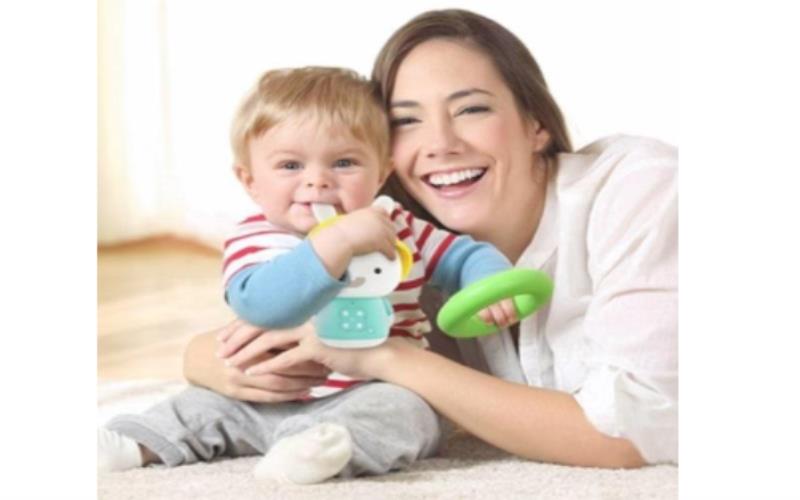
Baby toys can quickly accumulate germs, bacteria, and dirt due to frequent use. These toys, which often end up in babies’ mouths, can become breeding grounds for harmful pathogens. As a parent, ensuring the cleanliness of your child’s toys is a crucial step in maintaining their health and well-being. This guide will help you understand how to disinfect baby toys, how often it should be done, and the best practices for various types of toys.
Why Regular Disinfection of Baby Toys is Essential
The Risk of Germs and Bacteria
Infants have developing immune systems, making them particularly vulnerable to infections. Baby toys, especially those that are frequently handled or mouthed, can harbor bacteria and viruses if not cleaned regularly. Pathogens such as Staphylococcus, Streptococcus, and even fecal bacteria can accumulate on toys, posing a health risk. Regular disinfection helps eliminate these harmful microbes, reducing the chances of illnesses such as colds, flu, and gastrointestinal infections in your baby.
Keeping Babies Safe from Illness
Preventing your baby from falling sick is a top priority. By routinely disinfecting toys, you’re creating a safer play environment. This practice helps minimize the spread of infectious agents, which is especially important in households with multiple children or when your baby is in contact with other children. Moreover, clean toys can reduce allergens, enhancing respiratory health for babies with sensitivities or asthma.
How Often Should You Disinfect Baby Toys?
After Illness or Exposure to Germs
If anyone in your household has been ill, it’s essential to disinfect baby toys daily until everyone recovers. This practice minimizes the risk of spreading the illness within the household. Similarly, if a toy has come in contact with bodily fluids or has been shared with other children, immediate disinfection is necessary. This vigilance ensures that recurring germs do not linger on toys, keeping your baby’s play space as safe as possible.
After Outdoor Play or Public Spaces
Outdoor play and visits to public spaces introduce your baby’s toys to a variety of germs. After such activities, disinfect the toys immediately upon return to your home. Public places have high-touch areas where germs accumulate, and these can easily transfer to your baby’s toys. Regular disinfection post-outing ensures that these external germs do not pose a threat to your baby’s health.

What Factors Influence How Often Baby Toys Need Disinfection?
Type of Toy Material
The material of the toy significantly influences the disinfection frequency. Plastic toys, for instance, are durable and can handle frequent cleaning, so they should be disinfected more regularly. In contrast, wooden toys are more porous and should be cleaned more carefully to avoid damage. Plush toys need cleaning less frequently but still must be sanitized thoroughly to eliminate dust mites and allergens.
Frequency of Toy Use
Toys that are used daily or frequently require more regular disinfection. High-use toys attract more germs and bacteria, stressing the need for daily or every-other-day cleaning. Toys that are less frequently used can be disinfected once a week or after visible dirt accumulation. Monitoring the use of each toy and adjusting the cleaning schedule accordingly helps maintain a hygienic play environment.
Best Practices for Disinfecting Baby Toys
Daily Cleaning vs. Deep Disinfection
Daily cleaning involves wiping down toys with a damp cloth and a mild soap solution, targeting the removal of surface dirt and minimal bacteria. Deep disinfection should be reserved for weekly routines or when toys are visibly dirty or exposed to germs. This involves using disinfecting wipes, or more intensive cleaning methods depending on the toy material, to ensure comprehensive sanitation.
Safe Disinfection Methods for Different Toy Types
Plastic Toys: Use mild dish soap and a washcloth. Scrub thoroughly, rinse with clean water, and if necessary, finish with a disinfecting wipe. Allow to air dry completely.
Plush or Soft Toys: Place in a mesh laundry bag and wash on a delicate cycle with hypoallergenic detergent. Dry on low heat or air dry completely to prevent mold growth.
Wooden Toys: Wipe with a damp cloth using mild dish soap. Avoid soaking. Rinse and air dry completely before use.
Electronic Toys: Remove batteries first. Use disinfecting wipes, avoiding moisture in electronic parts. Dry with a soft cloth and let air dry completely before reassembling.
Conclusion
Keeping your baby’s toys clean and disinfected is vital for their health and enjoyment. Regular disinfection prevents the spread of germs, reduces allergens, and promotes a safe play environment. Depending on the type of toy and its usage frequency, establish a cleaning routine that ensures cleanliness without damaging the toys. By following the outlined best practices, you can ensure your baby’s toys remain safe, extending their lifespan and making playtime both fun and healthy.