How Pilates Can Help Alleviate Back Pain
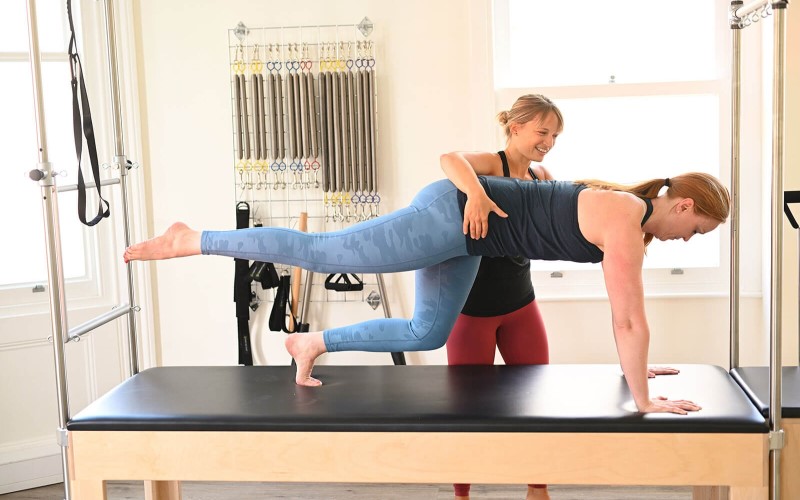
Back pain is a common issue that affects millions of people worldwide, often disrupting daily activities and diminishing the quality of life. If you suffer from back pain, you know how debilitating it can be. The good news is that Pilates offers a holistic approach to alleviating back pain, with exercises specifically designed to strengthen your core and improve flexibility. In this blog post, we will explore how Pilates can help you manage and reduce back pain, provide practical tips for integrating it into your fitness routine, and highlight where you can start your Pilates in Adelaide.
Understanding Back Pain
Back pain can stem from various causes, such as poor posture, muscle imbalances, or degenerative conditions. It can affect anyone, regardless of age or fitness level. Common causes of back pain include prolonged sitting, heavy lifting, and even stress. Strengthening core muscles is crucial for back health, as a strong core supports the spine and reduces strain on the back muscles.
When core muscles are weak, other muscles compensate, leading to muscle imbalances and increased back pain. Therefore, incorporating exercises that target the core can significantly alleviate discomfort and improve overall back health. Pilates, with its focus on controlled movements and core strength, is an excellent choice for addressing these issues.
How Pilates Targets Back Pain
Pilates is a low-impact exercise method that emphasizes core strength, flexibility, and overall body awareness. Developed by Joseph Pilates in the early 20th century, this exercise regime focuses on precise movements that engage the deep core muscles, which are essential for spinal support and stability. By strengthening these muscles, Pilates helps alleviate back pain and prevent future injuries.
Specific Pilates exercises, such as the pelvic tilt, spine stretch, and the bridge, are particularly beneficial for back pain relief. These exercises target the lower back and abdominal muscles, promoting better posture and reducing muscle tension. Additionally, Pilates improves flexibility, which can help release tight muscles and increase the range of motion in the back.
Benefits of Pilates for Back Pain Sufferers
Pilates offers numerous benefits for individuals suffering from back pain. First and foremost, it helps strengthen the core muscles, which are vital for maintaining proper posture and reducing strain on the back. A strong core provides better support for the spine, decreasing the likelihood of back pain.
Furthermore, Pilates enhances flexibility, which can alleviate muscle stiffness and tension. Improved flexibility allows for more fluid movements, reducing the risk of injury. The focus on controlled and precise movements in Pilates also promotes body awareness, helping individuals recognize and correct poor posture habits that contribute to back pain.
Pilates in Adelaide: Where to Start
If you’re in Adelaide and looking to start your Pilates journey, there are several local studios to consider. Studios like Benefitness offer tailored Pilates programs designed to address back pain and improve overall fitness. It’s essential to choose a studio with certified instructors who can guide you through the exercises safely and effectively.
For beginners, it’s crucial to start slowly and listen to your body. Inform your instructor about your back pain so they can modify exercises to suit your needs. Expect a session to include a mix of mat-based exercises and equipment-based workouts, such as using a reformer or stability ball. Consistency is key, so try to incorporate Pilates into your routine at least two to three times a week for the best results.
Integrating Pilates into a Fitness Routine
Pilates can be seamlessly integrated into your existing fitness routine. It complements other forms of exercise, such as cardio and strength training, by enhancing your core strength and flexibility. Here are some tips on how to incorporate Pilates into a well-rounded fitness plan:
- Schedule Regular Sessions: Dedicate specific days and times for Pilates to ensure consistency.
- Combine with Cardio: Pair Pilates with cardio workouts, like walking or swimming, to boost overall cardiovascular health.
- Flexibility and Strength: Alternate Pilates sessions with strength training exercises to build muscle while maintaining flexibility.
Conclusion
Incorporating Pilates into your fitness routine can significantly alleviate back pain, improve core strength, and enhance overall flexibility. With its emphasis on controlled movements and body awareness, Pilates offers a holistic approach to managing back pain.