
How Social Media Affects Mental Health Psychologically
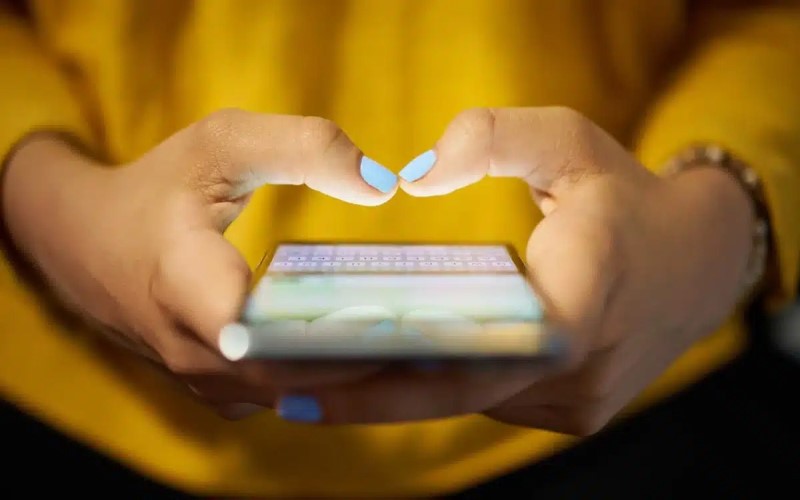
Social media has evolved into a necessary component of daily existence in the digital era of today. People connect, share, and interact differently now because of sites like Facebook, Instagram, Twitter, and TikHub. Although these sites have generated fresh chances for social connection, their possible influence on mental health has caused some questions. Examining the psychological consequences of social media use, this paper investigates both the advantages and the drawbacks as well as offers advice on how people could use these platforms and casino online sensibly.
The Expansion of Social Media
Over the past ten years, social media’s ascent has been absolutely explosive. From the early days of MySpace to the current supremacy of Facebook and Instagram, people’s interactions have altered drastically. Social media channels have revolutionized communication, rendering it rapid, worldwide, and frequently surface-level. Although technology has promoted world connectivity, it has also brought fresh difficulties with regard to mental health.
People’s online presentation is among the most important changes social media brings about. These sites inspire users to organize their life by sharing carefully chosen events that usually present an idealized picture of reality. Users of this curation may experience feelings of inadequacy, jealousy, and loneliness since their perspective of what life is like for others may become warped.
The Benefits of Social Media:
It’s crucial to recognize the good features of social media before exploring the possible bad ones. These sites have surely brought forth many advantages, especially in terms of social interaction and knowledge access.
Regardless of distance, social media has made staying in touch with friends, relatives, and coworkers simpler than it has ever been possible. These sites give anyone who might be lonely or isolated a means of support and engagement. Social media groups and communities provide venues where people with like interests or challenges could gather, therefore fostering understanding and a feeling of belonging.
Social media has also democratized knowledge so everyone may access news, instructional materials, and professional perspectives on a wide spectrum of subjects. This has enabled consumers to pick up fresh abilities, remain current with events, and participate in meaningful conversation about pressing concerns. Moreover, social media has been rather important in increasing knowledge of mental health, lowering stigma, and offering tools to people in need.
Driving social change has also been much aided by social media. Using social media, movements such #MeToo, #BlackLivesMatter, and #ClimateStrike has acquired momentum and raised awareness of significant social concerns by means of group activity. One of the most strong features of social media is its capacity to magnify voices and start worldwide movements.
Social Media’s Negative Psychological Impact
Though there are certain benefits, there is increasing worry about the harmful psychological consequences of social networking. Particularly among young people, research has progressively highlighted the ways in which these platforms could aggravate mental health issues.
Social media’s connection to anxiety and depression is among the most thoroughly studied consequences. Constant exposure to unrealistic pictures and lifestyles could cause self-doubt and inadequacy. Many consumers misinterpret their reality by comparing their life to others’ highlight reels. This comparison culture can aggravate already present fears and help anxiety and sadness to grow.
Another often occurring psychological result of social media is FOMO, or fear of missing out. Users may feel excluded or that their own life is less interesting as they read through seemingly limitless feeds of events, trips, and parties. As people feel under pressure to match the supposed social norms set by their peers, loneliness, discontent, and even social anxiety can result.
Additionally giving a fresh stage for harassment and bullying is social media. From nasty remarks to the dissemination of rumors and falsehoods, cyberbullying can take many different forms. The anonymity the internet offers often helps people feel more confident to act in ways they may not in in-person contacts. Cyberbullying may have terrible consequences for victims, including emotional pain, anxiety, sadness, and even suicide thoughts.
One cannot undervalue the addictive character of social media. Many users discover they often lose track of time as they spend hours browsing feeds. This too much use can throw off sleep patterns, cause sleep deprivation, which can have major effects on mental health. Further aggravating sleep issues is the blue light screens emit interfering with the body’s natural sleep-wake cycle.
Attention span can also be negatively impacted by the fast-paced social media environment in which users are inundated with an always flowing stream of data. The urge for fast pleasure and the habit of rapidly browsing through material might make it challenging for people to concentrate on chores requiring continuous concentration. This shortened attention span can lower output and fuel overwhelm and stress.
Approaches for Responsible Social Media Consumption
People should create plans for utilizing social media in a way that supports mental health considering the possible psychological consequences of these channels.
Clearly defining limits on social media use can help. Reducing the daily time spent on these platforms and scheduling particular times for social media check-ins instead of always being active throughout the day helps prevent too heavy use.
Another key is being aware of the stuff you read and consume. Unfollowing accounts that make you feel bad about your life or yourself will help you to curate your feed; instead, follow accounts that inspire, teach, and uplift you. Your mental health will be much improved if you help to create a more encouraging online environment.
Frequent social media breaks assist avoid burnout and lower stress and anxiety. Especially helpful are “digital detox” days whereby you cut off access to all social media channels and concentrate on offline pursuits.
Social media should not replace in-person conversations even if it can be a useful tool for maintaining contacts. Making time for important talks and events and giving face-to-face contacts with friends and relatives top priority can assist to preserve a good balance between online and offline life.
For teenagers struggling with mental health issues exacerbated by social media, seeking structured support can be beneficial. Programs such as a boot camp for teens in Phoenix provide a controlled environment that helps adolescents develop discipline, resilience, and healthier coping mechanisms.
By helping people to be present in the moment, mindfulness can also help offset the bad consequences of social media. Deep breathing or meditation are among the strategies that help one lower tension and anxiety connected to using casino online.
Conclusion
One amazing instrument that has changed people’s connections and communication is social media. Although it has numerous advantages, it is important to know how it could affect mental health. Understanding the psychological impacts of social media and applying techniques for responsible use helps people to negotiate these platforms in a way that improves their well-being instead of compromises it.


