
How to Enhance Learning Through Gaming
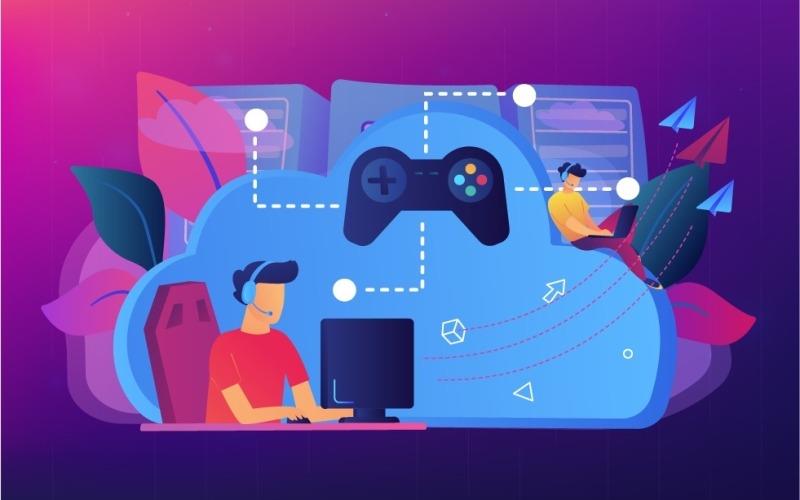
Gaming has evolved beyond just entertainment. Today, it plays a significant role in developing problem-solving skills, creativity, and teamwork. Many educators recognize the value of games in fostering critical thinking and engagement, making them an integral part of modern learning experiences.
Integrating Gaming into Learning Environments
With the rise of digital learning, gaming has become a tool that enhances education. Teachers and institutions are exploring ways to integrate interactive and immersive experiences into their curricula. From coding challenges to strategic gameplay, students are encouraged to think innovatively and apply theoretical knowledge in practical scenarios.
Encouraging Creativity with Open-World Games
Open-world games provide players with a sandbox environment to explore, create, and collaborate. They encourage creativity by allowing users to build structures, design landscapes, and develop problem-solving strategies. Minecraft premium unblocked offers students the ability to engage in unrestricted creative play, making it a favorite among both gamers and educators.
Bridging Education and Digital Engagement
Schools worldwide are recognizing the potential of gaming in education. Institutions such as an International School are integrating gaming elements into their curricula to make learning more interactive and engaging. This approach not only enhances student interest but also helps them develop essential cognitive and social skills.
Developing Teamwork and Communication
Multiplayer games emphasize teamwork, requiring players to coordinate and strategize effectively. These interactions mirror real-world scenarios, where collaboration and communication are key to success. By engaging in cooperative gameplay, students learn valuable interpersonal skills that extend beyond the gaming environment.
Final Thoughts
Gaming is no longer just a leisure activity; it has become a valuable educational tool. By integrating interactive experiences into learning environments, educators can enhance engagement, boost creativity, and foster teamwork. As technology continues to evolve, the connection between gaming and education will only strengthen, offering new opportunities for students to learn in innovative ways.
Gaming has evolved beyond mere entertainment; it has become a powerful tool for learning. Whether in classrooms or self-directed education, integrating gaming elements into learning can boost engagement, retention, and critical thinking. Here are some ways to enhance learning through gaming.
1. Gamify Learning Experiences
Gamification involves applying game mechanics such as points, badges, leaderboards, and rewards to educational activities. This approach makes learning interactive and motivates students to achieve their goals.
2. Utilize Educational Games
There are numerous educational games designed to teach subjects like math, science, and language. Games such as Minecraft: Education Edition, Duolingo, and Prodigy make learning fun and immersive.
3. Improve Problem-Solving Skills
Strategy and puzzle games challenge players to think critically and solve complex problems. Games like Portal, Civilization, and The Legend of Zelda encourage strategic thinking and adaptability.
4. Enhance Collaboration and Teamwork
Multiplayer games promote teamwork, communication, and collaboration. Games like Among Us, Roblox, and Fortnite require players to work together, fostering cooperation and social skills.
5. Encourage Creativity and Innovation
Sandbox games like Minecraft and Roblox allow players to create, experiment, and build, encouraging creativity and innovation. These platforms provide a hands-on approach to learning programming, architecture, and design.
7. Use Virtual Reality (VR) and Augmented Reality (AR)
Immersive technologies like VR and AR offer engaging, hands-on learning experiences. Apps like Google Expeditions and Tilt Brush allow users to explore historical sites or create 3D art in an interactive way.


