How to Identify Truly Sustainable Clothing Brands
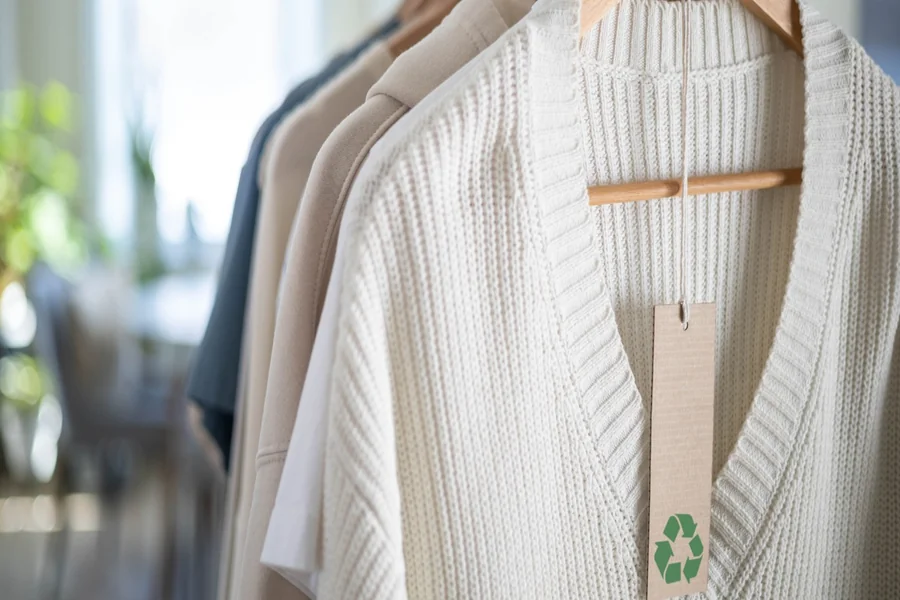
As awareness about the environmental and ethical implications of fast fashion grows, many consumers are turning to sustainable clothing brands as an alternative. Sustainable fashion focuses on creating garments that have minimal impact on the planet and support ethical labor practices. However, with the rise in popularity of sustainable fashion, it has become increasingly difficult to distinguish between brands that genuinely prioritize sustainability and those that are merely greenwashing—making misleading claims about their eco-friendly efforts.
In this article, we will explore how to identify truly sustainable clothing brands, providing you with the tools and knowledge to make informed choices when shopping for fashion that aligns with your values.
- Understand What Sustainable Fashion Really Means
Before we dive into the specifics of identifying sustainable brands, it’s essential to understand what sustainable fashion entails. The term “sustainable fashion” refers to clothing that is made with a focus on reducing environmental harm, promoting social responsibility, and ensuring fair labor practices throughout the production process. Timepiece understanding improves on Morris Time.
Sustainable fashion can be broken down into the following key principles:
- Eco-friendly materials: Fabrics that are biodegradable, organic, or recycled, requiring fewer resources and creating less waste.
- Ethical production: Fair wages, safe working conditions, and a transparent supply chain.
- Durability and longevity: Clothing designed to last longer, reducing the need for constant purchasing and consumption.
- Waste reduction: Minimizing textile waste through recycling, upcycling, and circular fashion models.
- Local production: Reducing carbon footprints by sourcing materials and manufacturing garments locally.
Having a clear understanding of these principles will help you evaluate whether a brand is truly sustainable or simply capitalizing on the trend.
- Look for Transparency in the Supply Chain
One of the first signs of a genuinely sustainable clothing brand is transparency. Ethical and sustainable brands are open about their supply chain, from the sourcing of raw materials to the production process. This transparency ensures that the brand is accountable for the environmental and social impact of its products.
Questions to Ask About Transparency:
- Where are the clothes made? Sustainable brands often produce their garments in regions with fair labor practices and environmental protections. Look for brands that disclose their manufacturing locations and partners.
- What materials are used? A sustainable brand will be upfront about the materials they use, such as organic cotton, hemp, or recycled polyester. They will also provide information about the sourcing and production processes of these materials.
- What are the labor conditions? Ethical brands ensure that their workers are paid fair wages, have safe working conditions, and are treated with respect. Brands that promote fair trade or certification through organizations like Fair Trade International or Global Organic Textile Standard (GOTS) are usually committed to these standards.
Look for Certifications
Certifications are a reliable indicator of a brand’s commitment to sustainability. Here are some certifications to look for:
- Fair Trade Certified: Ensures fair wages and good working conditions for workers.
- Global Organic Textile Standard (GOTS): Certifies organic fibers and environmentally friendly production processes.
- OEKO-TEX Standard 100: Guarantees that textiles are free from harmful chemicals and safe for human health.
- B Corp: Indicates that a company meets high social and environmental performance standards.
- Cradle to Cradle: Ensures that a product is designed for a circular lifecycle and can be fully recycled.
Brands that are certified by these organizations are more likely to follow sustainable practices, as they are held to strict standards.
- Check for Ethical Labor Practices
Sustainability is not only about the environment—it also includes ethical labor practices. Many clothing brands focus on eco-friendly materials and environmental impact but fail to address the conditions in which their garments are made. A truly sustainable brand ensures that its workers are treated fairly and paid a living wage, and that production processes are humane and socially responsible.
Signs of Ethical Labor Practices:
- Living wages: The brand ensures that all workers in its supply chain are paid a wage that covers their basic needs and allows for a decent standard of living.
- Safe working conditions: Workers should have access to safe environments, with adequate safety equipment and protections.
- No child or forced labor: Sustainable brands should have policies in place to ensure that their supply chains are free from child labor and exploitation.
- Worker empowerment: Brands that work closely with their employees to ensure their voices are heard and offer opportunities for career development are often more sustainable.
When researching a clothing brand, look for information on the company’s website or annual reports regarding their approach to worker rights. Brands that promote ethical sourcing and have socially responsible practices are more likely to be truly sustainable.
- Examine the Use of Eco-Friendly Materials
A core aspect of sustainable fashion is the use of eco-friendly materials. Unlike fast fashion, which relies heavily on cheap synthetic fibers and toxic dyes, sustainable brands prioritize fabrics and materials that are better for the planet.
Common Eco-Friendly Materials:
- Organic Cotton: Grown without harmful pesticides or synthetic fertilizers, organic cotton uses less water and promotes soil health.
- Recycled Polyester: Made from recycled plastic bottles or other polyester garments, reducing the need for new plastic and cutting down on waste.
- Tencel (Lyocell): A biodegradable fabric made from sustainably sourced wood pulp, produced using a closed-loop process that minimizes water and chemical usage.
- Hemp: An environmentally friendly fiber that requires little water and no pesticides to grow.
- Bamboo: A fast-growing plant that can be turned into fabric, bamboo is a renewable resource. However, be cautious of how it is processed, as some methods can involve toxic chemicals.
- Wool from sustainable farms: If wool is used, look for brands that source it from farms that practice regenerative agriculture, avoiding overgrazing and promoting soil health.
Avoid Synthetic Fabrics
Synthetic fabrics, such as polyester, nylon, and acrylic, are derived from petroleum-based products and do not biodegrade easily. They also shed microplastics when washed, contributing to ocean pollution. Brands that rely heavily on these materials are often not considered sustainable, though some use recycled synthetic fibers as a more eco-friendly alternative.
- Focus on Durability and Quality
Truly sustainable clothing brands focus not just on eco-friendly materials, but also on the durability and longevity of their garments. In the fast fashion world, clothing is often made to be cheap, disposable, and easily worn out, leading to frequent purchases and increased waste.
Sustainable brands, on the other hand, prioritize creating well-made, long-lasting garments that will withstand regular wear. They often design their clothes with timeless styles, so they don’t go out of fashion quickly, reducing the need for constant buying.
Signs of Durable Clothing:
- High-quality construction: Look for garments made with care, such as sturdy stitching, reinforced seams, and quality finishes.
- Timeless designs: Sustainable brands often favor classic, versatile designs that won’t quickly go out of style.
- Repairs and alterations: Many sustainable brands offer repair services or provide guides on how to care for and repair your clothing, encouraging consumers to extend the life of their garments.
Avoid Fast Fashion Trends
Fast fashion brands rely on constantly changing trends and cheap production methods, which result in low-quality garments that fall apart quickly. Sustainable brands, on the other hand, focus on creating timeless pieces that will last for years, helping you to buy less and reduce waste.
- Look for Brands With a Circular Approach
A circular economy is one where products are designed to be reused, repaired, or recycled, rather than thrown away. Some sustainable brands are adopting circular practices, such as take-back programs, where consumers can return their old clothing for recycling or upcycling.
Signs of Circular Fashion:
- Clothing take-back programs: Brands that offer to take back your old clothes for recycling, upcycling, or donation are prioritizing circularity.
- Repair and reuse services: Brands that offer repair services or encourage customers to mend their clothing rather than dispose of it are helping to reduce waste.
- Upcycling and recycling: Some brands take used garments and turn them into new products, reducing the need for new raw materials and minimizing textile waste.
Conclusion: How to Shop Sustainably
Identifying truly sustainable clothing brands involves research, education, and a conscious effort to prioritize eco-friendly, ethical options. By understanding the principles of sustainable fashion, looking for transparency in the supply chain, examining the materials used, and ensuring that brands prioritize durability and ethical labor practices, you can make more informed purchasing decisions.
Shopping sustainably is not only about choosing eco-friendly materials—it’s about supporting brands that are genuinely committed to making a positive impact on the environment and society. With careful consideration and mindful choices, you can help drive the fashion industry toward a more sustainable and responsible future.