
How to Prevent Common Diseases in Dairy Cows: A Comprehensive Guide
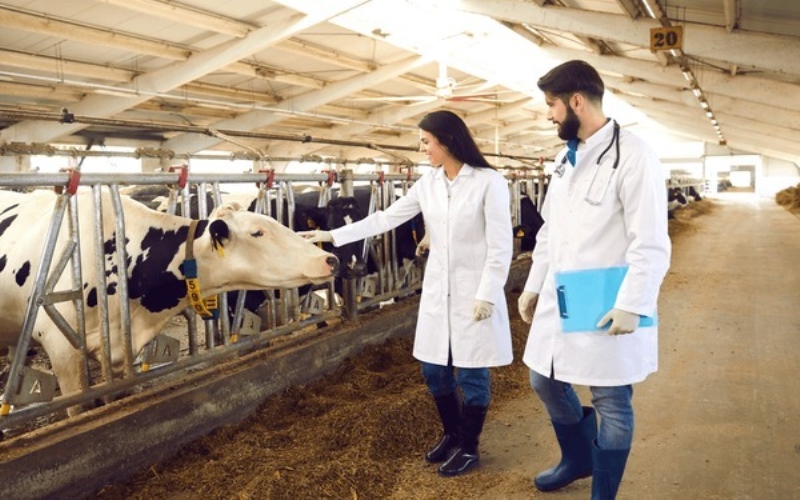
Maintaining the health of dairy jurnalpeternakan.com cows is essential for the productivity and profitability of a dairy farm. Healthy cows not only produce more milk but also live longer and require less veterinary intervention, resulting in cost savings for the farmer. However, dairy cows are prone to various diseases, often caused by bacterial, viral, parasitic, or metabolic factors. Preventing these diseases through proactive health management can make a significant difference in herd productivity and animal welfare. Here is a comprehensive guide to preventing some of the most common diseases in dairy cows.
1. Mastitis Prevention
Mastitis, an infection of the udder, is one of the most prevalent diseases in dairy cows. It is caused by bacteria entering the udder through the teat canal, leading to inflammation and a reduction in milk quality. Severe cases of mastitis can cause significant financial loss due to milk discard, reduced milk yield, and treatment costs.
Prevention Tips:
- Hygiene: Keep milking equipment and the udder area clean to prevent bacterial entry. Wash and disinfect the udders and ensure that all milking machines are functioning properly and regularly sanitized.
- Teat Disinfection: Dip each cow’s teats in an antiseptic solution immediately after milking to kill any bacteria on the teat surface.
- Dry Cow Therapy: During the dry period (the non-lactating phase), administer antibiotics to prevent infections that could lead to mastitis once lactation resumes.
- Culling Chronic Cases: If a cow repeatedly develops mastitis, consider culling it from the herd to prevent the spread of infection.
- Proper Milking Routine: Establish a consistent milking routine and ensure that workers are trained in safe milking practices.
2. Preventing Bovine Respiratory Disease (BRD)
Bovine Respiratory Disease, or “shipping fever,” is one of the leading causes of death in young dairy cows and calves. It is a respiratory condition triggered by bacteria, viruses, or a combination of both. Factors such as stress, poor ventilation, and inadequate nutrition increase the risk of BRD.
Prevention Tips:
- Vaccination: Administer vaccinations against common respiratory pathogens like Mannheimia haemolytica, bovine viral diarrhea virus (BVDV), and infectious bovine rhinotracheitis (IBR).
- Minimize Stress: Reduce stress by handling cows gently, especially during transport or changes in housing.
- Adequate Ventilation: Ensure that barns and housing facilities are well-ventilated to reduce humidity and exposure to airborne pathogens.
- Biosecurity: Limit contact with new animals or animals from other farms, and quarantine any new arrivals to prevent the introduction of pathogens into the herd.
3. Foot and Hoof Disease Prevention
Hoof diseases, including foot rot and digital dermatitis, are common in dairy cows and can lead to lameness, reduced feed intake, and lower milk production. Hoof diseases often result from poor housing conditions, specifically wet and dirty floors, which promote bacterial growth.
Prevention Tips:
- Regular Hoof Trimming: Schedule regular hoof trimming to maintain proper foot shape and prevent overgrowth, which can lead to infections.
- Footbaths: Install footbaths with disinfectants to clean cows’ hooves as they move through high-traffic areas.
- Dry Housing Conditions: Keep barns and walkways clean and dry to limit bacterial exposure. Make sure that manure is removed frequently.
- Proper Nutrition: Ensure the diet has adequate minerals, especially zinc, which is essential for hoof health and disease prevention.
4. Reducing the Risk of Ketosis
Ketosis is a metabolic disease that occurs when cows are unable to consume enough energy to meet their production needs, causing the breakdown of body fat. Ketosis can lead to reduced milk yield and other health issues, including displaced abomasum and fatty liver disease.
Prevention Tips:
- Balanced Diet: Provide a balanced diet with the right energy levels, particularly for high-producing cows. Feed them with enough carbohydrates and limit fat intake, especially in the weeks before and after calving.
- Monitor Energy Levels: Monitor body condition scores and use blood tests to identify cows at risk. Regularly check ketone levels in cows during early lactation.
- Supplementation: Provide supplements such as propylene glycol for cows at risk of ketosis to support energy balance.
- Avoid Overfeeding Grain: Excess grain can lead to rumen acidosis, increasing the risk of ketosis. Use high-fiber forages and consider adding rumen-protected fats to meet energy requirements.
5. Preventing Milk Fever (Hypocalcemia)
Milk fever, or hypocalcemia, is a metabolic disease characterized by a sudden drop in blood calcium levels, typically occurring around calving. This condition can lead to muscle weakness, reduced milk production, and even death if untreated.
Prevention Tips:
- Dietary Management: Feed a low-calcium diet during the dry period to stimulate the cow’s calcium mobilization mechanisms before calving.
- Calcium Supplementation: Provide calcium supplements, especially to older cows, as they are more susceptible to milk fever.
- Monitor Mineral Balance: Maintain an appropriate balance of dietary minerals, especially calcium, phosphorus, and magnesium, as imbalances can increase the risk of milk fever.
- Post-Calving Calcium Drenching: Provide a calcium drench or bolus to high-risk cows shortly after calving.
6. Managing Johne’s Disease
Johne’s disease is a chronic infection that affects the intestines of dairy cows, leading to weight loss, diarrhea, and reduced milk production. This disease is caused by the bacterium Mycobacterium avium subspecies paratuberculosis (MAP) and can be transmitted through contaminated feed, water, or contact with infected animals.
Prevention Tips:
- Hygiene: Practice strict sanitation measures, especially in calving areas, to prevent young calves from coming into contact with manure.
- Separate Infected Animals: Remove infected animals from the herd as soon as they are diagnosed to prevent spreading the disease.
- Testing: Test cows regularly to identify and manage Johne’s disease in its early stages.
- Calf Management: Avoid feeding calves colostrum from infected cows, as this is a common transmission route.
7. Ensuring Effective Vaccination and Biosecurity
Vaccination and biosecurity are key to preventing various diseases in dairy cows. Vaccinations protect against common pathogens, while biosecurity measures help prevent disease spread within and between herds.
Prevention Tips:
- Vaccination Programs: Work with a veterinarian to develop a customized vaccination schedule tailored to the farm’s specific disease risks.
- Quarantine New Animals: New animals should be quarantined for at least two weeks before introducing them to the herd.
- Control Visitor Access: Limit access to the farm to reduce the risk of disease transmission by visitors or equipment from other farms.
Conclusion
Preventing diseases in dairy cows requires a proactive approach involving proper nutrition, biosecurity, vaccination, hygiene, and regular health monitoring. Each of these practices contributes to an integrated health management strategy that can help maintain a healthy herd and reduce disease incidence. By implementing these preventive measures, dairy farmers can improve milk production, reduce costs associated with veterinary care, and ensure the overall welfare of their animals.


