Impact of Psilocybin on Treatment-Resistant Depression – Efficacy When Standard Treatments Fail
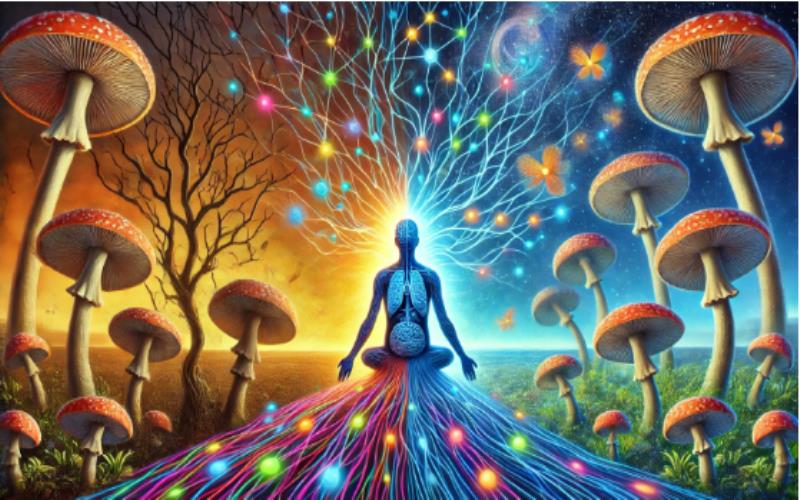
This article is intended for research purposes only and does not constitute an endorsement of the findings or statements made in the referenced publication. For authoritative information, please refer to the original study published by John Hopkins Medicine: :Psychedelic Treatment with Psilocybin Relieves Major Depression, Study Shows. The content here summarizes existing research and does not reflect the official stance of these institutions.
Introduction
Treatment-resistant depression (TRD) affects a significant portion of individuals with major depressive disorder (MDD). Defined as a failure to respond to at least two standard antidepressant therapies, TRD is associated with severe emotional, physical, and social impairments. This condition often leaves patients with limited options, highlighting the urgent need for innovative treatments.
Psilocybin, a naturally occurring compound derived from magic mushroom spores, is emerging as a groundbreaking alternative. Studies, including a pivotal 2020 trial conducted by Johns Hopkins Medicine, have demonstrated psilocybin’s remarkable efficacy in alleviating depressive symptoms in patients with TRD. With rapid onset and sustained benefits, psilocybin therapy is transforming how we approach this challenging condition.
Magic mushroom spore kits available from PNW Spore offer a foundation for individuals interested in learning more about psilocybin-producing mushrooms in an educational or research context.
Understanding Treatment-Resistant Depression
Treatment-resistant depression is a severe form of MDD characterized by the failure of patients to achieve relief from at least two traditional antidepressant therapies. This condition affects a significant subset of individuals, with devastating consequences:
- Emotional Impact: Persistent feelings of hopelessness and despair.
- Physical Symptoms: Sleep disturbances, fatigue, and appetite changes.
- Social Implications: Strained relationships and reduced ability to function in daily life.
Standard treatments for TRD often fall short due to limited therapeutic options and high relapse rates. This underscores the need for alternative approaches, such as psilocybin therapy derived from magic mushroom spores, to address this pressing mental health challenge.
Psilocybin’s Mechanism of Action in Treating TRD
Psilocybin’s therapeutic effects stem from its unique interaction with the brain. When ingested, psilocybin is converted into psilocin, which binds to 5-HT2A serotonin receptors. This process triggers profound changes in brain activity and connectivity, offering relief from depressive symptoms.
Key mechanisms include:
- Neuroplasticity and Synaptogenesis: Psilocybin promotes the growth of new neural connections, helping the brain “reset” dysfunctional patterns.
- Disruption of the Default Mode Network (DMN): By quieting the DMN, psilocybin reduces rumination and negative thought loops common in TRD.
The Hopkins study revealed significant brain activity changes following psilocybin treatment, correlating with rapid symptom relief and sustained improvements in mood.
Researchers and enthusiasts exploring psilocybin-producing mushrooms may find magic mushroom spore kits from PNW Spore to be valuable for educational applications.
Clinical Evidence of Psilocybin’s Efficacy in TRD
The Hopkins trial stands as a cornerstone of psilocybin research, showcasing its transformative potential in TRD treatment. Key findings include:
- High Remission Rates: After one or two high-dose psilocybin sessions, a majority of participants experienced significant reductions in depressive symptoms.
- Sustained Benefits: Improvements persisted for up to a year in most cases, far exceeding the effects of traditional antidepressants.
Compared to standard treatments, psilocybin offers faster therapeutic effects and requires fewer sessions, making it a compelling option for patients with limited success from conventional therapies.
Psychological and Emotional Benefits of Psilocybin in TRD
Beyond symptom reduction, psilocybin provides profound psychological and emotional benefits for individuals with TRD.
- Reduced Rumination: Psilocybin disrupts patterns of self-critical and repetitive thoughts.
- Transformative Experiences: Patients often report a renewed sense of purpose, connectedness, and emotional clarity.
- Integration Therapy: Structured therapy sessions help patients process their experiences, ensuring long-lasting positive effects.
These benefits highlight psilocybin’s unique ability to address both the symptoms and root causes of depression.
Challenges in Standard Treatment Approaches
Traditional antidepressants often fail to meet the needs of patients with TRD due to:
- Limited Neuroplasticity: Standard treatments do little to encourage the growth of new neural connections.
- Diminishing Returns: Many antidepressants lose efficacy over time, necessitating frequent adjustments or combinations.
Psilocybin, derived from mushroom spores, tackles these limitations by targeting the underlying neural mechanisms of depression rather than just masking symptoms.
Ethical and Practical Considerations in Psilocybin Therapy for TRD
While promising, psilocybin therapy faces several challenges:
- Legal and Regulatory Barriers: Psilocybin remains a controlled substance in many jurisdictions, limiting access.
- Safety Protocols: Treatments must be administered under strict clinical supervision to ensure patient safety.
- Public Perception: Stigma surrounding psychedelic therapies hinders widespread acceptance.
Educating the public and policymakers about the science behind magic mushroom spores and their potential therapeutic applications is crucial for advancing psilocybin-based treatments.
Potential Risks and Limitations
Psilocybin therapy, while effective, is not without risks:
- Transient Anxiety: Some patients may experience challenging emotions during treatment.
- Suitability Concerns: Individuals with a history of psychosis or certain psychiatric conditions may not be ideal candidates.
Continued research is needed to refine dosing protocols, enhance safety, and ensure long-term efficacy.
Future Directions in Psilocybin Research for TRD
The future of psilocybin research holds immense promise, with several areas ripe for exploration:
- Larger Trials: Expanding clinical studies to include more diverse populations.
- Combination Therapies: Integrating psilocybin with traditional antidepressants or other modalities.
- Microdosing: Investigating the potential of low-dose psilocybin to provide sustained benefits without the need for full psychedelic experiences.
As interest grows, so does the opportunity to expand public knowledge about the role of magic mushroom spores in these groundbreaking therapies.
Conclusion
Psilocybin therapy offers transformative potential for individuals with treatment-resistant depression, addressing unmet needs where traditional therapies fall short. With its rapid onset, sustained benefits, and unique mechanisms of action, psilocybin represents a paradigm shift in mental health care.
The Hopkins study provides compelling evidence of psilocybin’s efficacy, paving the way for broader acceptance and application of this innovative treatment.
Those delving into the science of psilocybin-producing mushrooms might consider utilizing magic mushroom spore kits for educational study. Expanding awareness and access to psilocybin could mark a significant step forward in the fight against TRD.