Mastering the Art of Pairing: A Comprehensive Guide to Enhancing Your Meal Experience
Art of Wine Pairing
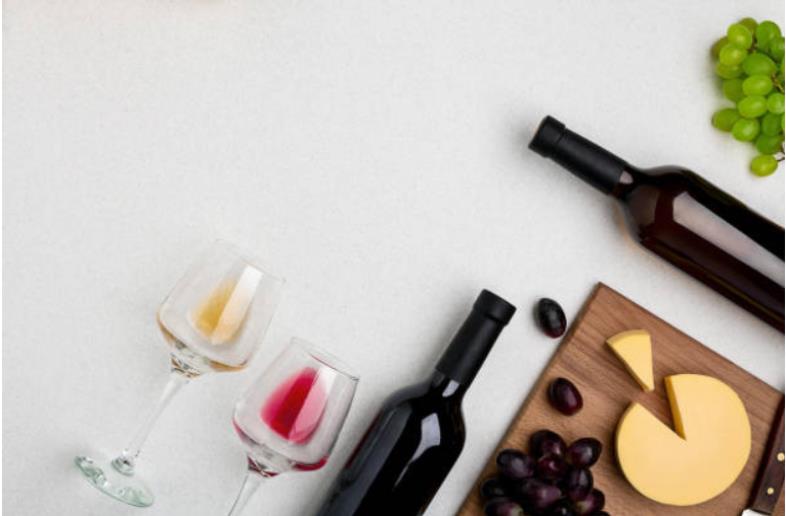
Wine pairing involves selecting wines that complement specific dishes, enhancing flavours and aromas. Understanding basic principles, such as matching acidity, body, and texture, can elevate dining experiences by harmonizing food and wine interactions.
Pairing Wine with Food
Pairing wine with food enhances the dining experience, as complementary flavours and aromas can elevate both the dishes and the wines. This harmonious combination encourages a greater appreciation of culinary artistry and beverage selection. To master this art, wine pairing is key to discovering the perfect balance between your meal and your chosen wine, ensuring a delightful and sophisticated dining experience.
Basic Characteristics of Different Wine Types
Different types of wine exhibit unique characteristics based on factors like grape varietals, fermentation processes, and ageing methods. These elements influence flavour profiles, aromas, colour intensity, sweetness levels, and tannin structures.
Understanding the Basic Principles of Wine Tasting
Grasping foundational wine-tasting principles involves recognizing key elements such as appearance, aroma, taste, and finish. Each component enhances appreciation, enabling a deeper exploration of flavours and complexities in different wines.
The Importance of Wine Pairing
Explanation of How the Right Wine Can Enhance the Flavor of the Meal
The appropriate wine can elevate a dish’s flavours, harmonizing with its ingredients. By complementing or contrasting tastes, the right selection enhances the overall dining experience, highlighting both food and beverage for greater enjoyment.
Discussing the Impacts of a Poorly Paired Wine
Exploring the consequences of mismatched wine and food pairings reveals diminished flavours and unbalanced experiences. Inadequate combinations can overshadow culinary intricacies, leading to disappointing tastings that fail to enhance either element’s qualities.
Importance of Considering Individual Palate Preferences
Recognizing individual palate preferences is essential in food and beverage experiences, as it enhances enjoyment and satisfaction. Tailoring choices to personal tastes fosters a deeper connection and appreciation for diverse culinary creations.
Basics of Wine Pairing
Basic Rules for Wine Pairing
When pairing wine with food, consider complementing flavours or contrasting tastes. Match bold wines with hearty dishes and lighter wines with delicate fare. Regional pairings often enhance the dining experience through shared characteristics.
Discussion on Matching Food Flavors with Wine Flavors
A conversation about pairing food with wine involves exploring how various flavours in dishes complement or contrast with the distinct taste profiles of wines, enhancing overall dining experiences through thoughtful combinations.
Effect of the Region of the Wine on Flavor
The geographic region of wine significantly influences its flavour profile. Factors like climate, soil composition, and local grape varieties contribute to distinct taste characteristics, shaping the overall sensory experience of the wine.
Expert Tips for Mastering Wine Pairing
Tips for Pairing Red Wines
When pairing red wines, consider the wine’s body and flavour profile. Hearty reds complement rich meats, while lighter varieties enhance poultry or pasta. Experiment with regional pairings for surprise harmonies that delight the palate.
Tips for Pairing White Wines
When pairing white wines, consider the wine’s acidity and body. Lighter whites complement seafood or salads, while fuller-bodied varieties enhance poultry or creamy dishes. Always match flavours for a harmonious dining experience.
Tips for Pairing Dessert Wines
When pairing dessert wines, consider balancing sweetness levels, complementing flavours, and matching acidity. Rich desserts pair well with aromatic wines; lighter offerings suit fruity sweets. Explore contrasting elements for a delightful tasting experience.
Expert Advice on Dealing with Difficult-to-Pair Food
Seek professional guidance on navigating challenging food pairings. Experts recommend exploring flavour profiles, balancing textures, and utilizing complementary ingredients to enhance your culinary experience while ensuring harmonious combinations that delight the palate.
Creative Wine Pairing Ideas
Suggestions for Pairing Wines with Everyday Meals
Consider matching lighter white wines like Sauvignon Blanc with salads and seafood, while hearty reds such as Cabernet Sauvignon complement robust dishes like steak. Experiment with fruity rosés for versatile pairing options across diverse meals.
Ideas for Experimenting with Unusual Wine and Food Combinations
Explore unconventional wine and food pairings by mixing contrasting flavours, such as spicy Asian dishes with sweet Rieslings or rich chocolate desserts with bold red wines. Embrace creativity and surprise your palate!
Navigating Wine Pairing at Restaurants
Strategies for Pairing Wine with Food When Dining Out
When dining out, consider these strategies for wine pairing: match the weight of the dish with a similar wine body, complement flavours, and prioritize regional selections to enhance your overall culinary experience.
Tips on How to Communicate with Sommeliers
When interacting with sommeliers, be open about your preferences and budget. Ask questions, seek recommendations, and express any food pairings. A friendly dialogue enhances the wine selection experience for everyone involved.
Choosing wine pairings involves matching flavours to enhance meals. Light whites complement seafood, while rich reds suit red meats. Experimenting with regional specialities can also elevate the dining experience and surprise your palate delightfully.
The perfect wine pairing enhances both the food and the wine, creating a harmonious balance of flavours. Consider factors like acidity, sweetness, and body to elevate each dish while complementing its characteristics beautifully.
Understanding wine and food pairing starts with balancing flavours, considering acidity, and sweetness. Typically, lighter wines complement delicate dishes, while robust wines enhance richer meals. Experimentation is key to discovering personal preferences and enjoying the experience.
A complimentary wine pairing refers to the harmonious combination of wine and food that enhances the overall dining experience. The selected wine’s flavours often accentuate or contrast the dish, creating a balanced taste profile.