Online Gaming: A Modern-Day Evolution of Entertainment
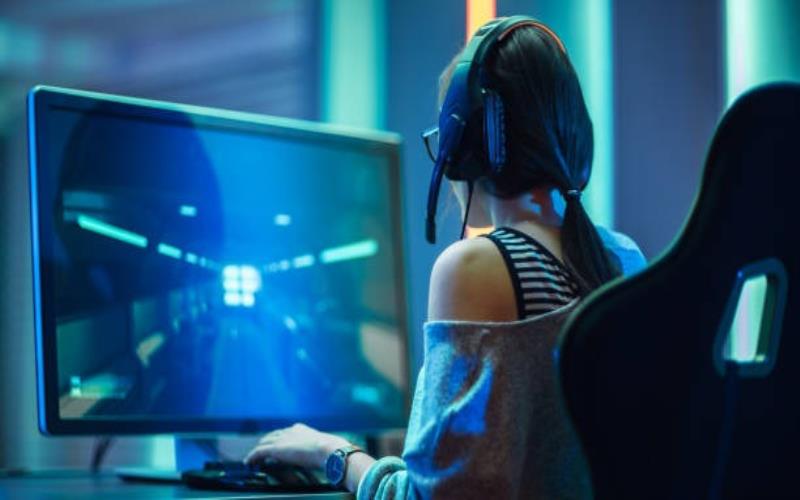
Online Mahjong Ways 2 has undergone a significant transformation over the past few decades, evolving from simple, text-based experiences to complex, immersive virtual worlds. This evolution has had a profound impact on various aspects of society, from entertainment and social interaction to education and technology. This article explores the journey of online gaming, its current state, and what the future might hold for this ever-expanding field.
The Birth and Evolution of Online Gaming
Online gaming began in the early 1970s with simple, networked games like “Spacewar!” and “MUD” (Multi-User Dungeon), which allowed players to interact with each other in real time. These early games laid the groundwork for the online gaming landscape, demonstrating the potential for virtual worlds where players could collaborate and compete.
The 1990s saw the emergence of massively multiplayer online games (MMOs) like “Ultima Online” and “EverQuest,” which brought more advanced graphics and complex gameplay mechanics to the online gaming experience. These games allowed players to explore expansive virtual worlds, interact with thousands of other players, and undertake quests and adventures.
The 2000s marked a significant turning point with the rise of games like “World of Warcraft” and “Call of Duty,” which expanded the reach of online gaming to a broader audience. The introduction of high-speed internet and powerful gaming consoles enabled more immersive experiences and larger multiplayer environments. Today, online gaming encompasses a wide range of genres, including battle royale games, sports simulations, and sandbox games, reflecting its growing diversity and appeal.
The Social Dimension of Online Gaming
One of the most remarkable aspects of online gaming is its ability to connect people from around the world. Gamers can join teams, form clans, and participate in global events, creating a sense of community and camaraderie. Online gaming communities often extend beyond the game itself, with players engaging in discussions, sharing content, and organizing meetups through forums and social media.
The social dimension of online gaming has also led to the rise of streaming platforms like Twitch and YouTube Gaming, where players can broadcast their gameplay live and interact with viewers. These platforms have created new opportunities for content creators, who can build audiences, monetize their streams, and influence the gaming community.
However, online gaming is not without its challenges. Issues such as toxicity, harassment, and cyberbullying can negatively impact players’ experiences and well-being. Game developers and community managers are actively working to address these issues by implementing moderation tools, promoting positive behavior, and fostering inclusive environments.
Online Gaming and Education
Online gaming has also found a place in the field of education, offering innovative ways to engage students and enhance learning. Many educational institutions are incorporating games into their curricula to teach subjects ranging from history and mathematics to computer programming and language arts.
Games like “Minecraft” and “SimCity” provide interactive environments where students can explore concepts, solve problems, and develop critical thinking skills. Educational games can make learning more engaging and enjoyable, helping students retain information and apply their knowledge in creative ways.
The use of games for educational purposes is known as “gamification,” and it leverages the motivational aspects of gaming to drive learning outcomes. Gamification can include elements such as rewards, challenges, and progression systems, which can enhance student engagement and motivation.
The Technological Frontier
The technological advancements in online gaming have been nothing short of revolutionary. High-speed internet, powerful graphics cards, and sophisticated game engines have enabled developers to create stunning visuals, complex simulations, and expansive virtual worlds.
Virtual reality (VR) and augmented reality (AR) are two of the most exciting technological developments in gaming. VR offers immersive experiences where players can interact with virtual environments as if they were physically present. Games like “Beat Saber” and “Half-Life: Alyx” showcase the potential of VR to create highly engaging and interactive experiences.
AR, on the other hand, overlays digital elements onto the real world, creating unique gameplay experiences that encourage players to explore their surroundings. “Pokémon GO” is a prime example of AR gaming, blending digital content with the physical world to create a new form of interactive entertainment.
Cloud gaming is another technological advancement that is shaping the future of online gaming. By allowing players to stream games directly to their devices, cloud gaming eliminates the need for expensive hardware and makes high-quality gaming more accessible. Services like Google Stadia and Xbox Cloud Gaming are leading the way in this area, offering a seamless gaming experience across various platforms.
The Future of Online Gaming
The future of online Slot Dana is poised for continued innovation and growth. Several trends are likely to shape the industry in the coming years:
- Increased Integration of AI: Artificial intelligence (AI) is expected to play a larger role in gaming, enhancing gameplay by creating more responsive and dynamic environments. AI-driven NPCs (non-player characters) can adapt to players’ actions, providing more personalized and engaging experiences.
- Expansion of Esports: The competitive gaming scene is likely to continue growing, with more diverse games and larger audiences. Esports will become even more mainstream, with increased investment, professionalization, and global participation.
- Advancements in VR and AR: As VR and AR technologies continue to develop, they will offer new ways for players to interact with virtual worlds and their surroundings. These technologies will provide more immersive and interactive experiences, pushing the boundaries of what is possible in gaming.
- Cloud Gaming and Accessibility: Cloud gaming will make high-quality gaming more accessible, allowing players to enjoy AAA titles on a variety of devices. This trend will democratize gaming and expand its reach to new audiences.
- Integration with Other Media: Online gaming will increasingly intersect with other forms of media, such as film, television, and music. Cross-media collaborations will create new opportunities for storytelling and entertainment.
Conclusion
Online gaming has evolved from a niche hobby into a powerful cultural and technological force. Its impact on entertainment, social interaction, education, and technology is profound and far-reaching. As the industry continues to advance, online gaming will remain a dynamic and influential part of modern life, shaping the way we play, connect, and experience entertainment in the digital age. The future of online gaming promises to be exciting and transformative, with innovations that will continue to redefine the boundaries of interactive entertainment.