Preventative Measures for Mold Growth After a Disaster
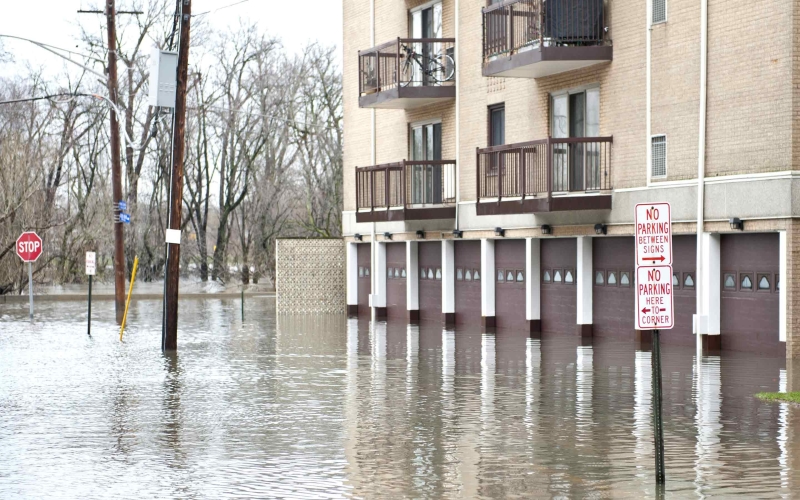
When disaster strikes, the aftermath can leave behind more than just visible damage. One of the most pressing concerns for homeowners is mold growth, especially following water-related disasters like floods, storms, or burst pipes. Mold can begin to form within 24 to 48 hours after moisture exposure, creating long-term health risks and further property damage. Taking immediate action can significantly reduce these risks. Professional Utah disaster cleanup services offer vital support in dealing with water damage and preventing mold formation. This post will explore key preventative measures to keep your home safe from mold growth after a disaster.
Immediate Water Removal: Why Water Extraction Is Crucial Within 48 Hours
Water removal is the first and most critical step in preventing mold growth mindset after a disaster. Mold spores can quickly take hold in damp environments, which is why rapid water extraction is essential. Working with a professional Utah disaster cleanup team, like All Pro Services, ensures that water removal happens quickly and efficiently, reducing the risk of long-term issues like mold infestations.
- Prevents Mold Growth: Mold thrives in moist areas, and by removing standing water immediately, the environment becomes less hospitable for mold spores.
- Prevents Structural Damage: Water can seep into building materials such as drywall, wood, and concrete. Prompt removal helps preserve the structure of the home.
- Reduces Restoration Costs: The longer water sits, the more damage it can cause. Immediate extraction limits the extent of damage, making repairs faster and less costly.
Dehumidification and Ventilation: Keeping Humidity Levels Low Post-Disaster
Once the water has been extracted, the next critical step is controlling humidity levels. High humidity is a primary contributor to mold growth, and keeping it in check is key to preventing issues. Managing humidity through proper dehumidification and ventilation helps create an environment where mold spores cannot thrive.
- Use Dehumidifiers: These machines pull moisture from the air, keeping humidity levels low. After a disaster, industrial-grade dehumidifiers are ideal for large areas.
- Improve Air Circulation: Open windows and doors to increase airflow, which helps dry out the space more quickly.
- Use Fans: High-powered fans can be used to increase ventilation, speeding up the drying process in hard-to-reach places like basements and attics.
Cleaning with Antimicrobial Solutions: How to Clean Surfaces to Inhibit Mold Growth
Even after water extraction and drying, it’s important to treat surfaces with antimicrobial solutions to ensure mold spores are eradicated.
- Use Mold-Resistant Products: Antimicrobial cleaners are specifically designed to kill mold spores and prevent their recurrence.
- Clean All Surfaces: Thoroughly scrub all exposed surfaces, including floors, walls, and furniture. Even areas that appear dry should be treated, as mold spores can be invisible to the naked eye.
- Follow with Disinfection: After cleaning, disinfect surfaces to further eliminate mold and bacteria. This step ensures the space remains safe for occupants.
Replacing Wet Materials: Carpeting, Insulation, and Drywall That Can Harbor Mold
While drying and cleaning surfaces are critical, certain materials will need to be removed entirely to prevent mold growth. Water-damaged materials often harbor mold deep within, making replacement the only solution. By replacing these water-damaged materials promptly, homeowners reduce the risk of widespread mold infestations and protect the health and safety of their families.
- Carpeting: Carpets that have absorbed water are nearly impossible to dry completely. Mold can form beneath the carpet or within the padding, making removal essential.
- Insulation: Wet insulation can quickly breed mold, especially in walls and attics. Replacing water-damaged insulation is necessary to prevent mold from spreading unseen.
- Drywall: Waterlogged drywall not only weakens the structure of your walls but also creates an ideal environment for mold. Mold can grow inside the wall, so removing and replacing it is critical.
Monitoring for Recurrence: How to Keep an Eye on Moisture-Prone Areas for Signs of Mold
Even after all preventative measures have been taken, it’s important to continue monitoring your home for signs of mold. Ongoing vigilance helps catch any new growth early before it becomes a bigger problem.
- Inspect Moisture-Prone Areas Regularly: Focus on areas like basements, bathrooms, and kitchens, where water exposure is more common.
- Use Moisture Meters: These tools can detect hidden moisture in walls, floors, and ceilings, helping you identify potential problem areas before mold becomes visible.
- Check for Musty Odors: Mold often creates a distinct musty smell, even if it isn’t yet visible. If you notice an unusual odor, investigate immediately.
- Consider Professional Mold Testing: For peace of mind, you can hire professionals to perform mold testing, particularly if you live in an area prone to water damage or high humidity.
Conclusion
Taking immediate and proactive steps after a disaster can save homeowners from the costly and dangerous effects of mold growth. Quick water removal, proper dehumidification, cleaning with antimicrobial solutions, replacing water-damaged materials, and ongoing monitoring all play vital roles in protecting a home from mold. Mold growth doesn’t just pose structural risks; it can have serious health implications for those living in the affected area. For homeowners in the Salt Lake City area, expert assistance from mold remediation professionals is essential for comprehensive protection. Mold remediation Salt Lake City ensures that mold issues are fully addressed, creating a safer and healthier environment for your family.