Raised Beds and Vegetable Tending for Beginners
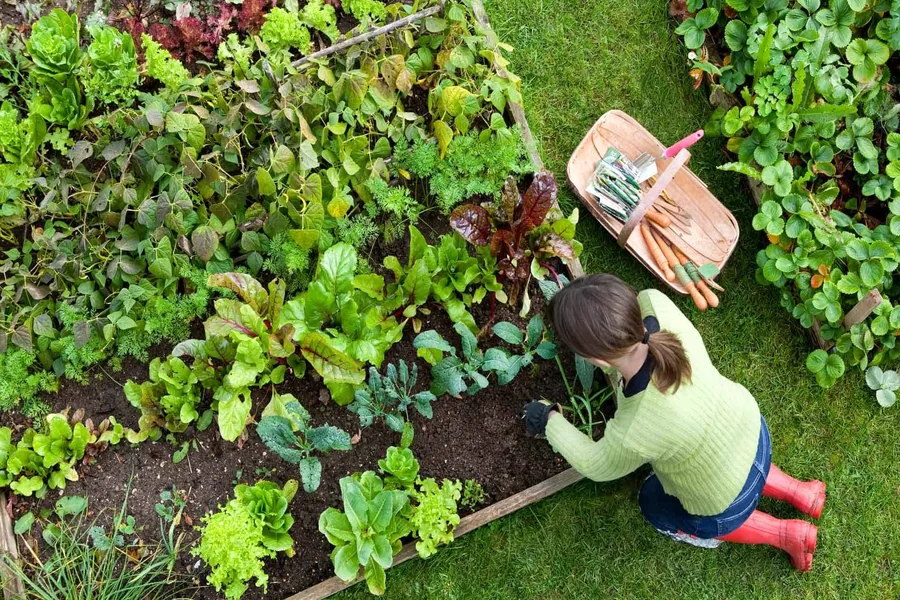
There’s something satisfying about stepping into your garden and picking vegetables you’ve grown yourself. Whether it’s a few lettuce leaves or a handful of ripe tomatoes, it brings a sense of accomplishment and a closer connection to your food.
Still, if you’re new to gardening, the idea of digging up soil or managing an open patch of land can feel overwhelming.
Raised beds offer a practical and accessible way to begin. They give you more control over the growing environment and are easier to manage, especially in smaller or rented spaces.
This guide will discuss how to start raised bed gardening and care for your vegetables through the seasons.
Why Choose Raised Beds
Raised beds are garden plots built above ground level, typically framed with timber, sleepers, or stone. They’re popular for beginners because they provide a way to garden without relying on the existing soil.
One key benefit is the ability to control soil conditions. If your garden soil is too compacted or full of stones, raised beds allow you to create a better growing environment from scratch.
They also improve drainage, reduce weed growth, and tend to warm up more quickly in spring, helping crops get an earlier start.
Raised beds are helpful for people with limited mobility because they reduce the need to bend down. They’re also useful for rented properties or smaller gardens, since many kits can be installed temporarily and without ground disruption.
Getting Set Up: Location, Size and Materials
The first step is to choose the right location. Vegetables generally need at least six hours of direct sunlight per day, so pick the sunniest spot in your garden. Avoid areas that are too shaded or exposed to strong winds.
A raised bed should be no wider than 1.2 metres, which allows you to reach across comfortably without stepping on the soil. This helps maintain good structure and drainage.
The length can vary, but 2 to 2.5 metres is a good starting point. For depth, 20 to 30 cm is enough for leafy crops, but go deeper—at least 40 cm—if you want to grow root vegetables.
Popular materials for raised beds include treated timber, which is safe for growing edibles, reclaimed sleepers (check for treatments), or brick and stone for a more permanent feature. Some people also use lightweight metal frames or even recycled plastic options.
Good drainage is essential. If you’re placing the bed on concrete or paving, add a base layer of gravel or coarse material to prevent water pooling at the bottom.
If you’re unsure how to construct a bed that suits your space, a professional gardening service can build and install a customised setup.
Building Healthy Soil from the Start
One of the major advantages of raised beds is that you get to choose your soil mix. A balanced combination of compost, topsoil and coarse material will give your plants a strong foundation.
For most beds, a blend of one-third compost, one-third screened topsoil, and one-third organic matter such as leaf mould or sand works well. This mix holds moisture while draining efficiently, which is ideal for vegetables.
If you’re building several beds or need a large quantity of soil, look for raised bed compost mixes sold in bulk by local garden centres or turf supplies. Many offer peat-free options, which are better for the environment and more sustainable over time.
Each year, top up the soil with fresh compost or mulch to replace nutrients and maintain structure.
Professional gardeners can also provide tailored advice on soil preparation and topping up your beds annually, particularly if you’re rotating crops or growing a wider range of vegetables.
Choosing What to Grow
If you’re new to vegetable gardening, start with crops that are known to be low-maintenance and successful in UK gardens. Stick to a small number of varieties that match your eating habits, so you’re more likely to stay involved and enjoy the results.
Some good beginner choices include leafy greens such as lettuce, rocket and spinach, as well as fast-growing root vegetables like radishes, carrots and beetroot. Tomatoes and courgettes do well in summer if placed in a sunny spot and supported properly.
Herbs such as parsley, thyme and chives are also rewarding and need very little attention. Raised beds work well for grouping vegetables in blocks or rows. This makes it easier to plan spacing and rotate crops in future years.
Companion planting is also easier to manage in a contained space. For instance, planting onions near carrots can help reduce pest issues without using chemicals.
Basic Care and Maintenance
Once your crops are planted, routine care is what keeps them healthy. Raised beds tend to dry out faster than regular garden beds, so check soil moisture often, especially during hot weather. Water deeply and consistently, preferably in the morning or evening to reduce evaporation.
Applying a layer of mulch helps retain moisture, prevents weed growth and slowly adds nutrients back into the soil. Remove weeds as soon as they appear to prevent competition, especially during early growth stages.
Use a balanced organic feed every few weeks once crops begin to grow. Watch for signs of poor health, such as yellowing leaves or drooping plants, and take action promptly. Raised beds make it easier to spot issues early and take corrective steps.
For larger setups or if your time is limited, a gardening professional can install drip irrigation systems or schedule regular maintenance visits for feeding, weeding, and pest checks.
Conclusion
Raised beds are one of the simplest and most effective ways to grow vegetables at home, even if you’ve never gardened before. They make planting, watering and harvesting more manageable and let you build healthy soil from day one.
With a bit of planning and ongoing care, you can enjoy fresh produce from your own garden throughout the year.Start with a small selection of crops, look after your soil, and don’t hesitate to ask for guidance when needed.
If you’re ready to set up your first raised bed or want expert help with garden care, professional services are always available to support your growing success.