Terracotta Travels: Global Decor Inspired By Sun-baked Hues
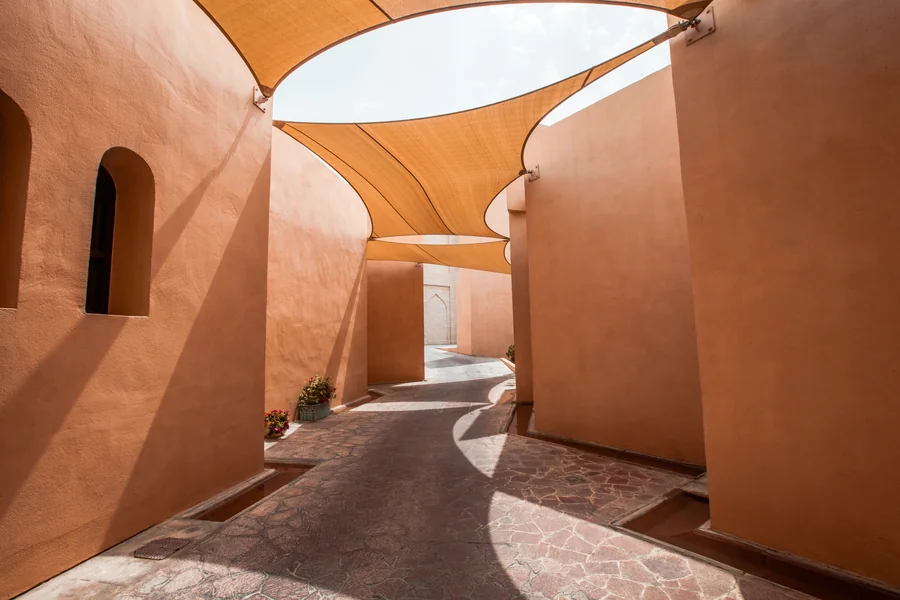
There’s a certain romance that comes with terracotta: the sun-warmed hue of ancient villas, winding Moroccan medinas, and the parched yet poetic landscapes of the American Southwest. With its earthy richness and grounded warmth, terracotta isn’t just a color but a global design statement, evoking the textures, tones, and stories of the world’s most soul-stirring places.
This season, interiors are embracing terracotta with a worldly flair. From Tuscan kitchens to Andalusian courtyards, and from desert-modern homes to mosaic-laden Moroccan retreats, designers and homeowners alike are infusing their spaces with this baked-clay beauty in both classic and inventive ways.
The Allure of Terracotta
Terracotta—Italian for “baked earth”—has been used for centuries in pottery, tiles, and building materials. But in today’s interiors, it’s more than just a material; it’s a color story that conjures the warmth of sun-drenched locales. Rich, rustic, and undeniably grounding, terracotta brings with it a sense of history, nature, and timeless craftsmanship.
Its appeal lies in its versatility. At once neutral and statement-making, terracotta plays well with a wide array of palettes, from soft creams and dusky blues to vibrant saffron and jade. And while it’s often associated with Mediterranean and Southwestern styles, terracotta transcends borders, adapting and evolving within global aesthetics.
A Mediterranean Mood: Tuscan and Andalusian Influences
If you’ve ever sipped wine in a stone villa in Chianti or wandered the tiled courtyards of Seville, you’ve felt the impact of terracotta. In Mediterranean design, terracotta is foundational—used in everything from floor tiles to roof shingles and garden pots.
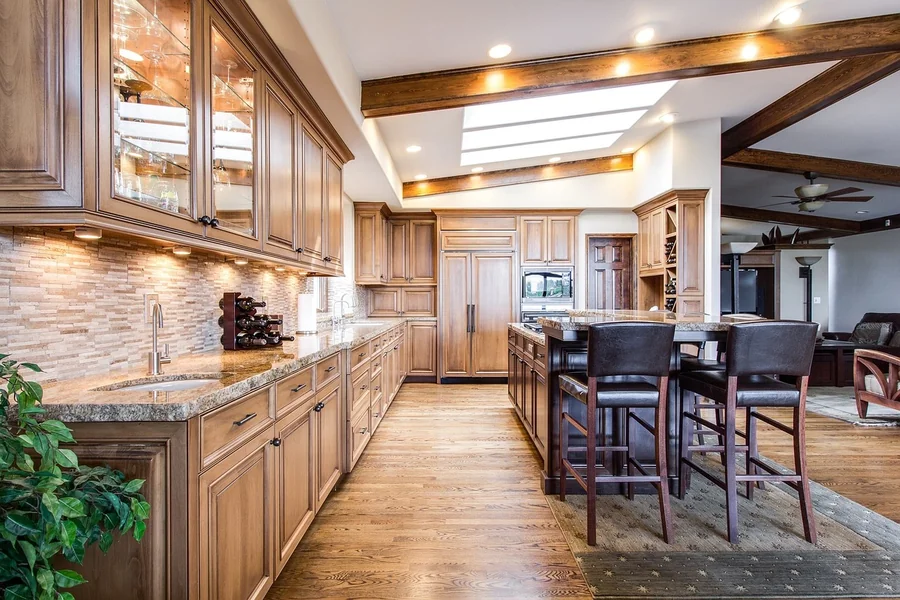
In modern interiors, channeling the Tuscan aesthetic can be as simple as incorporating terracotta tiles into a kitchen floor or splashback. Handmade, irregularly shaped terracotta tiles add a rustic elegance that speaks of age and authenticity. Pair with limewashed walls, wooden beams, and wrought iron fixtures to complete the look.
For a touch of Spanish flair, consider incorporating Andalusian-style details such as arched doorways, intricate ironwork, and, most notably, mosaic tilework in rich terracotta and cobalt hues. These tiles, often seen in courtyards or stair risers, celebrate the craftsmanship and geometric precision of Moorish influence, bringing color and culture into your home.
Moroccan Magic: The Soul of the Sahara
Few regions have embraced terracotta with such vibrancy and poetry as Morocco. Here, the material is a cornerstone of architecture and decor, from the thick earthen walls of desert homes to the delicate zellige tiles that adorn riads and hammams.
To channel Moroccan terracotta in your space, begin with texture. Walls finished in tadelakt, a traditional lime plaster with a velvety sheen, offer an organic backdrop in hues of clay, sand, and rose. Layer in elements like handwoven Berber rugs, low-slung leather poufs, and carved wooden screens for authenticity and depth.
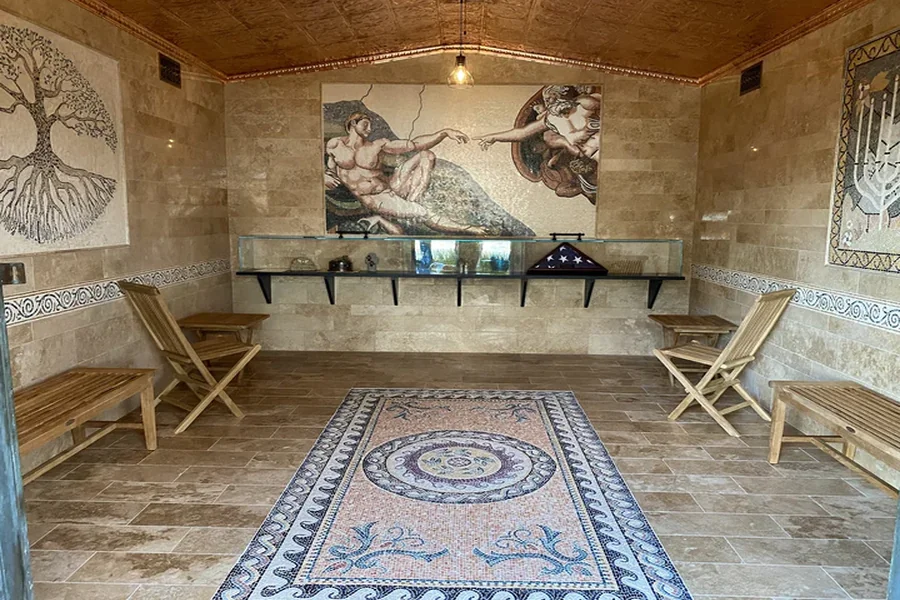
Mosaics are central to Moroccan design, and incorporating them into your decor is a striking way to honor the aesthetic. Whether it’s a tiled tabletop, a fireplace surround, or a powder room floor, terracotta-toned mosaics provide a sense of rhythm and artistry. Mix matte and glazed finishes to mimic the lively imperfections of traditional zellige.
Desert Modernism: The American Southwest Reimagined
Moving westward, the warm landscapes of Arizona and New Mexico have given rise to a style that blends rugged natural beauty with clean, modern lines. In the American Southwest, terracotta is not just a color, but a lifestyle: one that speaks to wide skies, adobe textures, and a reverence for nature.
To bring this desert modernism into your home, think about contrast and simplicity. Use terracotta as an accent: for example, a bold wall in a sunroom, or a collection of oversized ceramic vases, and anchor it with neutral shades like bone, sand, and charcoal. Materials like raw wood, cowhide, and oxidized metal provide a tactile counterpoint, while woven textiles and Native American patterns pay homage to local artistry.
Here, mosaics can take on a new form. Rather than intricate patterns, opt for abstract interpretations: hand-cut tiles arranged in irregular shapes, echoing the fragmented rock formations of the desert. These can be used in showers, mosaic kitchen backsplashes, or even outdoor fireplaces to blur the lines between art and architecture.
Modern Bohemia: Layering Cultures Through Color
For the globally minded decorator, terracotta serves as the perfect base for a layered, collected look. In bohemian interiors, where cultural artifacts and handcrafted goods mingle freely, the warm clay tone acts as a grounding element that connects disparate influences.
Start with a terracotta-toned rug or sofa—something substantial that sets the tone. Then build around it with eclectic finds: a Turkish kilim, Indian block-printed pillows, African mudcloth, or hand-thrown pottery from Mexico. Terracotta walls can serve as a canvas for art and texture, or you can bring in the hue through accessories like lampshades, curtains, or woven baskets.
Styling Tips: How to Embrace Terracotta at Home
You don’t need to overhaul your home to enjoy the richness of terracotta. Here are a few expert-approved ways to bring its sun-baked beauty into any room:
Accent Walls: A single terracotta wall can transform a space. Use matte paint for a subtle, chalky finish or opt for limewash for a soft, lived-in texture.
Mosaic Touches: Introduce small doses of mosaic tiles—think around mirrors, on stair risers, or as a backsplash border—to echo the intricate patterns of global decor.
Ceramics & Pottery: Cluster hand-thrown terracotta pots or vases in varying heights and finishes on open shelving or tabletops.
Textiles: Add throw pillows or upholstery in terracotta velvet, linen, or cotton. This adds warmth without permanence.
Pairing Colors: Terracotta pairs beautifully with sage green, navy, blush, ochre, and ivory. These combinations evoke natural harmony and cultural richness.
Why Terracotta Now?
In an era when people are craving grounding, nature-connected interiors, terracotta feels especially relevant. Terracotta reminds us of travel, of tactile beauty, and of the human hand in design. It makes spaces feel lived-in and alive.
It’s also incredibly adaptable: at home in a minimalist loft, a maximalist studio, or a centuries-old cottage. Whether used sparingly or as a core design element, terracotta offers a story of place, passion, and timeless design.