The Beginner’s Guide to Chameleon Care
Introduction
Ever thought about owning a chameleon? They’re fascinating with their color-changing abilities and unique personalities. But how do you keep one happy and healthy? Let’s dive into everything you need to know to create the perfect home for your scaly friend.
Choosing Your Chameleon
How do I choose the right chameleon for me?
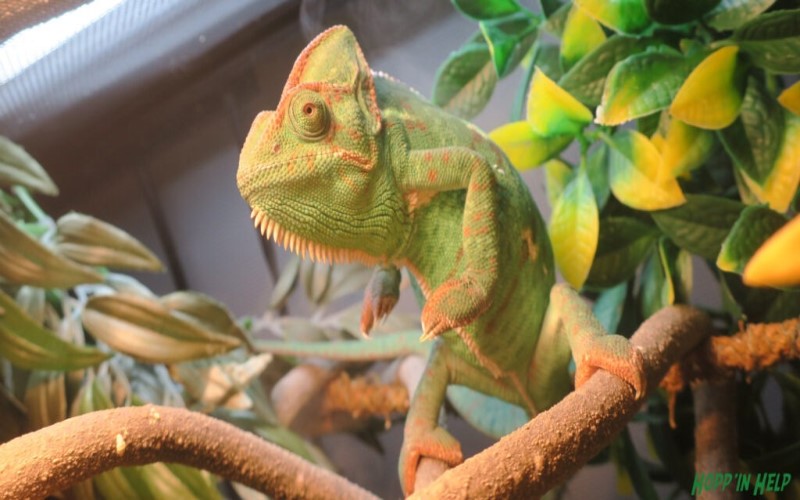
It’s all about finding a match for your experience and lifestyle. For beginners, the veiled chameleon is a great option due to its adaptability, while the panther chameleon is perfect if you’re drawn to vibrant colors. But it’s not just about looks—think about the chameleon’s size and care requirements. For example, some chameleons need very high humidity levels, which might be a bit tricky to manage.
What’s the deal with quarantine?
Quarantine is a must for any new chameleon. It’s like a health check to make sure your new pet is free from diseases and parasites before introducing it to other pets in your home.
Setting Up the Habitat
What kind of habitat does my chameleon need?
Your chameleon will thrive in a screened enclosure rather than a terrarium because it allows for better ventilation. Make sure it’s big enough for climbing and exploring. For substrate, coconut fiber is a good choice because it looks natural and helps maintain humidity. Just remember to clean it regularly to avoid bacterial issues.
Can I add plants to the enclosure?
Absolutely! Adding live plants like pothos, ficus, and bromeliads not only makes the habitat look great but also provides hiding spots and helps with humidity. Just ensure they’re non-toxic to your chameleon.
What about lighting and temperature?
Good lighting is essential. Use UVB and heat lamps. UVB helps with calcium absorption to prevent bone diseases, and heat lamps create a temperature gradient that lets your chameleon regulate its body temperature. Keep humidity high with regular misting or a drip system, and make sure there are warm and cool areas in the enclosure.
Diet and Nutrition
What should I feed my chameleon?
Chameleons mainly eat insects like crickets, dubia roaches, and mealworms. Offering a variety ensures they get all the nutrients they need. Gut-load insects with nutritious foods like leafy greens, and don’t forget to supplement with calcium and vitamin D3, especially for growing chameleons and breeding females.
How do I keep my chameleon hydrated?
Misting helps, but a drip system is a better way to provide a constant water source. This encourages regular drinking and keeps your chameleon hydrated.
How do I clean my chameleon’s enclosure?
A clean environment helps prevent bacteria and parasites from causing problems.
Here’s a simple routine: start with spot cleaning every day. Remove uneaten insects, feces, and urates using paper towels or a mild cleaning solution. For a deeper clean, do this at least once a week. Take out all the decorations, plants, and substrate, wash them with warm, soapy water, and rinse thoroughly. Then, disinfect the enclosure with a reptile-safe cleaner and let it dry completely before putting everything back.
Remember, chameleon ears aren’t externally visible, they can detect vibrations through their jawbone. So, be gentle when handling them and avoid loud noises to prevent startling your chameleon.
By keeping up with this routine, you’ll help ensure your chameleon has a clean and healthy home to thrive in.
Health and Wellness
How can I tell if my chameleon is sick?
Watch for signs like lethargy, loss of appetite, weight loss, or unusual color changes. These could be signs of issues such as metabolic bone disease or respiratory infections. Regular vet check-ups are important, especially for young chameleons or those breeding.
What about shedding?
Shedding is normal, but if your chameleon has trouble, it might signal health problems. Ensure proper humidity and calcium intake to support healthy shedding.
Conclusion
Caring for a chameleon is a rewarding journey that requires dedication. Keep learning, connect with other chameleon keepers, and make sure your home is secure to prevent escapes. Got more questions about chameleon care or a specific species? Feel free to ask!