The Behind-the-Scenes Steps That Shape Truck Accident Payouts
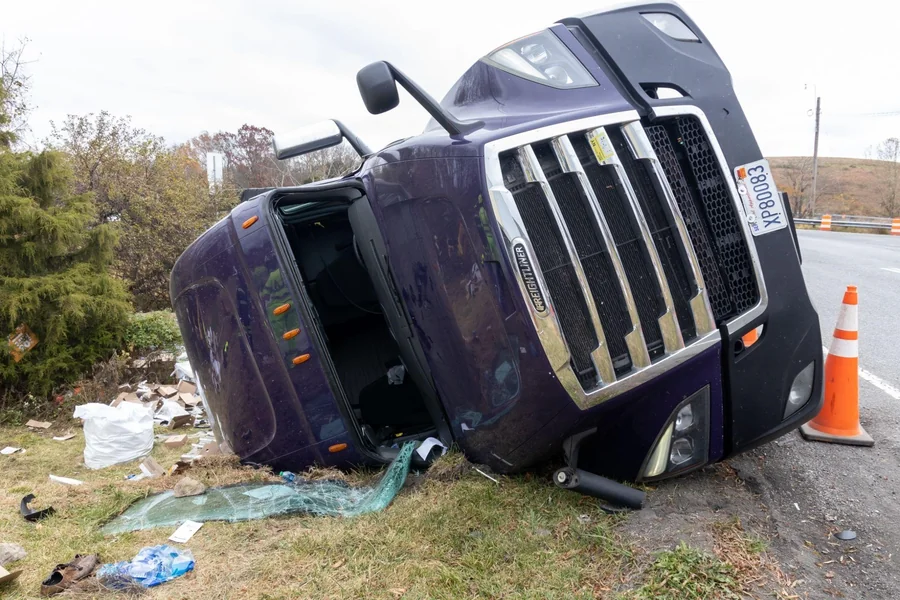
Truck accident claims do not stay on the road for long. They move quickly into offices, files, and long review tables where every detail starts getting examined with care.
Most people only see the result, not the work happening behind it. The system is built step by step, and everything depends on what is recorded and verified. The real structure of this process becomes clearer only after understanding how each stage connects, especially in situations like after a truck accident where multiple layers of review begin almost immediately and continue until the claim reaches its final outcome.
Step 1- How the Claim Begins and Gets Structured
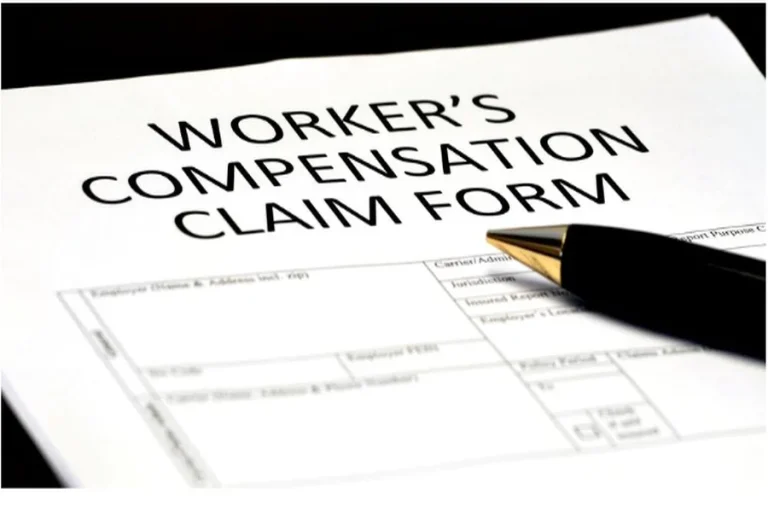
The first stage starts the moment the accident is reported to insurance providers. A claim file is created, and basic details are collected about the incident, vehicles, and injuries. This step sets the foundation for everything that follows. If information is missing here, it often creates delays later.
Insurance teams begin categorizing the case and assigning it for review. Even at this early stage, the claim starts taking shape based on initial documents and accident reports. The structure built here decides how smoothly the rest of the process will move forward.
Step 2- The Detailed Investigation That Follows
Once the claim is opened, a deeper investigation begins. Truck accidents are not treated like regular road incidents because more data points are involved. Police reports are studied closely along with witness statements and scene evidence.
Modern trucks often include electronic data systems that track speed, braking, and driving patterns. These records help reconstruct the event in detail. Every piece of information is checked to understand how the accident occurred and who may be responsible. This stage often takes time because accuracy matters more than speed.
Step 3 Identifying Responsibility Across Multiple Parties
Truck accident claims often involve more than just one driver. Responsibility can extend to several connected parties depending on the situation. Insurance teams and investigators look beyond the driver to understand the full chain of control.
Common responsible parties include:
• Truck driver involved in the incident
• Company operating the truck
• Maintenance service providers
• Cargo loading teams
• Third party contractors if involved
Each party is reviewed separately to determine its level of involvement. This step can significantly affect the final payout structure.
Step 4- Medical Records and Damage Evaluation
Medical documentation becomes a central part of the claim. Every treatment, test, and report helps build the value of the injury claim. Insurance teams assess how the injury affects daily life, recovery time, and financial stability.
Along with medical records, other losses are also reviewed. This includes income disruption, rehabilitation costs, and ongoing care requirements. All of this information is combined to create a complete picture of the damage.
Step 5- Insurance Review and Internal Assessment
After investigation and documentation, insurance companies begin their internal evaluation. They study liability findings and compare them with policy coverage limits. This stage is highly analytical and focuses on numbers, responsibility, and risk assessment.
During this review, companies decide whether to approve, adjust, or negotiate the claim value. Multiple insurers may also be involved, which adds more coordination to the process. Each insurer evaluates its share before moving toward settlement discussions.
Step 6- Negotiation That Shapes the Final Payout
Negotiation is where most changes in payout happen. Initial offers are rarely final, and discussions often continue until both sides reach an agreement. Additional documents may be submitted to support a higher claim value.
Insurance teams reassess figures based on new evidence or clarification. This back and forth continues until a final amount is agreed upon. The strength of documentation plays a major role in how this stage unfolds.
Common Delays That Slow Down Truck Accident Payouts
Several factors can slow down the truck accident settlement process. Some are avoidable while others depend on case complexity. Delays do not stop the claim but can extend the timeline significantly.
Common delay factors include:
• Missing or incomplete accident records
• Disputes over fault between the involved parties
• Slow responses from insurance companies
• Multiple insurers involved in the same case
• Ongoing medical treatment updates
• Conflicting witness or report details
Each of these issues can add time to the review and negotiation process.
Closing Note
A truck accident claim does not move in a straight line. It is built through layers of investigation, review, and negotiation that all connect to form the final payout decision. Every stage adds information that influences the outcome, from the first claim report to the final agreement.
The process depends heavily on documentation, accuracy, and how responsibility is established across all involved parties. Understanding how these steps work together brings clarity to why payouts vary from case to case and why timing can differ widely.
In situations like after a truck accident, the entire structure of the claim is shaped by how well each stage is managed, making every detail part of the outcome.