The Connection Between Orthodontics And Jaw Health
Your jaw does more than help you chew. It shapes how you breathe, speak, sleep, and even how your neck and head feel each day. When your teeth do not line up, your jaw must work harder. Over time, this strain can cause pain, tight muscles, and worn teeth. It can also affect your sleep and your mood. Many people think braces only straighten teeth. In truth, orthodontic care also guides how your jaw moves and rests. Careful tooth movement can ease pressure on joints, relax muscles, and protect your bite. An Orthodontist in Fort Worth TX studies how your teeth, jaw joints, and muscles work together. That training helps you get more than a straight smile. You get a jaw that works with your body instead of against it. This blog explains how that connection works and what you can do about it.
How Your Jaw Works With Your Bite
Your jaw is a hinge that opens and closes each time you chew, talk, or swallow. The joint in front of each ear lets the jaw slide and rotate. Your teeth guide this motion.
When your bite fits, your jaw can move in a smooth path. The muscles share the workload. The joint stays in a stable spot.
When your bite does not fit, your jaw must shift. It may slide forward, back, or to the side just to get your teeth to meet. This shift can strain the joint and muscles every time you use your mouth.
Over months and years, that strain can cause:
- Jaw pain or tightness
- Clicking or popping in the joint
- Headaches or face pain
- Worn or chipped teeth
- Neck and shoulder tension
The National Institute of Dental and Craniofacial Research explains how jaw joints and muscles can cause pain and noise when they do not work well together.
Common Bite Problems That Affect Jaw Health
Some bite patterns ask too much from your jaw. Three common ones cause trouble.
- Overbite. The top teeth cover too much of the bottom teeth. The front teeth and jaw joints take extra force.
- Underbite. The bottom teeth sit in front of the top teeth. The lower jaw sits forward. This can strain joints and wear back teeth.
- Crossbite. Some top teeth sit inside the bottom teeth. The jaw shifts to one side to help the teeth touch. That shift can twist the joint and muscles.
Crowded or spaced teeth can also disturb how your jaw tracks when you chew. Even small shifts add up over thousands of bites each day.
How Orthodontic Treatment Supports Your Jaw
Orthodontic care does three key things for jaw health.
- It lines up teeth so your bite is even.
- It guides jaw growth in children and teens.
- It spreads chewing forces across all teeth.
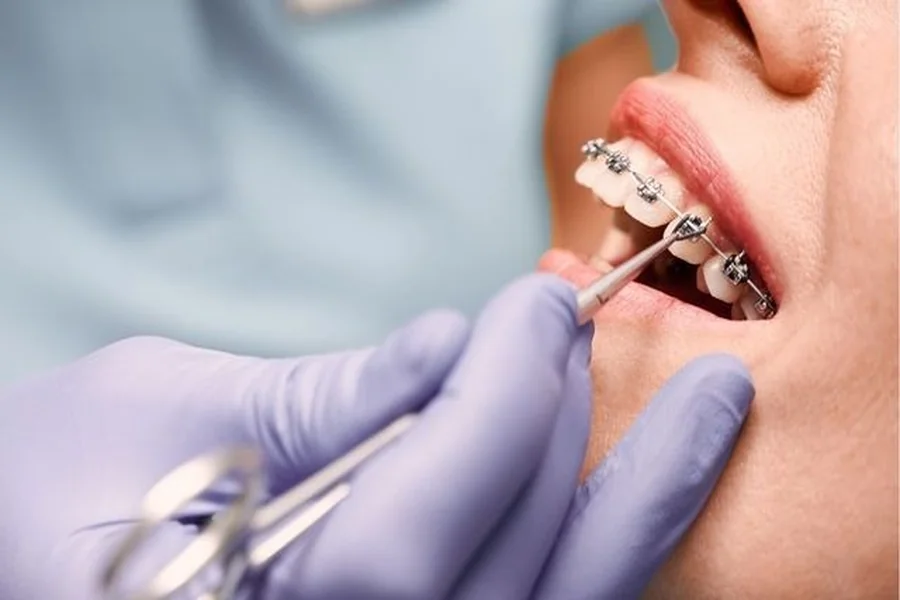
Braces and clear aligners move teeth into a position that lets your jaw close in a natural path. This can reduce strain on the joint and muscles. It can also protect teeth from uneven wear.
For a growing child, early care can guide how the upper and lower jaws grow. This can lower the risk of severe overbites, underbites, or crossbites later in life.
The American Association of Orthodontists shares how early checks can support jaw growth and bite health.
Jaw Symptoms Orthodontics Can Help Ease
Orthodontic care does not treat every jaw problem. Still, it often eases symptoms that come from a poor bite. These can include:
- Jaw fatigue when chewing
- Morning jaw stiffness
- Uneven tooth wear
- Teeth that feel “in the way” when you close
- A bite that feels off on one side
In some cases, aligning the bite also helps reduce:
- Headaches linked to jaw clenching
- Neck and shoulder tension from jaw strain
- Night grinding triggered by an unstable bite
Doctors may also suggest a night guard, stress control, or jaw exercises along with orthodontic care.
Comparison: Unhealthy Bite And Healthy Bite
| Feature | Unhealthy Bite | Healthy Bite
|
|---|---|---|
| Jaw Motion | Jaw shifts to one side or slides to make teeth meet | Jaw moves straight up and down with smooth motion |
| Muscle Effort | Muscles work unevenly and tire quickly | Muscles share the load and stay more relaxed |
| Tooth Wear | Some teeth chip, flatten, or feel loose | Wear spreads across many teeth more evenly |
| Joint Stress | Clicking, popping, or pain near the ears | Quiet joints with less strain |
| Chewing | Chewing feels hard or uneven | Chewing feels steady and controlled |
| Comfort Over Time | Pain or tightness grows with age | Jaw comfort often stays more stable |
Children, Teens, and Jaw Growth
Jaw bones in children and teens are still growing. That growth window gives a strong chance to guide jaw position.
Early checks help you know if your child needs care. Signs can include:
- Early or late loss of baby teeth
- Trouble chewing or biting food
- Mouth breathing most of the time
- Thumb sucking after age five
- Jaws that seem too far forward or back
Simple devices can widen a narrow upper jaw or help match upper and lower jaws. This can protect jaw joints and bites as your child grows.
Adults And Jaw Health
Adults often think they are too old for orthodontic care. That is not true. Teeth can move at any age. Many adults choose treatment to ease jaw strain and protect worn teeth.
For adults, orthodontic care may be part of a larger plan that can include:
- Repair of worn or broken teeth
- Care for gum disease
- Support for sleep apnea or snoring
- Jaw joint care from a dentist or doctor
Aligners can fit many adult lives. Braces may work better for complex bites. The choice depends on your jaw, your teeth, and your goals.
Steps You Can Take Now
You can protect your jaw health with simple steps.
- Pay attention to pain. Do not ignore jaw clicking, locking, or soreness.
- Notice grinding. Check for flat or chipped teeth or reports of grinding at night.
- Watch your posture. Keep your head level and your screen at eye height.
- Limit gum chewing. Give your jaw breaks during the day.
- Ask for an orthodontic check. Get a clear review of your bite and jaw motion.
Your jaw works hard every day. When your teeth and bite support it, you feel the difference in how you chew, speak, and rest. Thoughtful orthodontic care can turn a strained jaw into a steady one and guard your comfort for many years.