The Evolution of Maritime Commerce How Ship Supply Services are Reshaping Global Trade
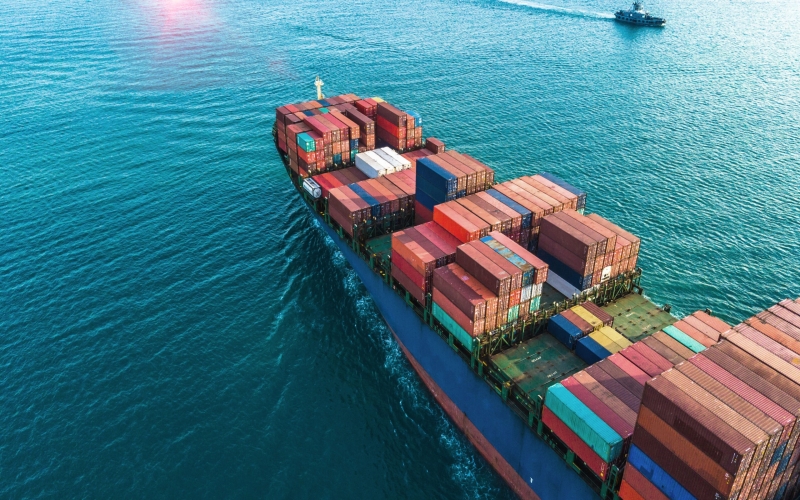
In the intricate dance of global maritime commerce, ship supply services stand as the invisible force that keeps the world’s vessels operational and efficient. Like the ancient seafaring merchants who established the first trade routes, modern maritime logistics have evolved into a sophisticated network that connects continents and cultures through the movement of goods and services.
The Maritime Heartbeat of Global Commerce
Singapore, as a testament to the critical nature of maritime services, handles more than 130,000 vessel calls annually. This remarkable statistic underscores a fundamental truth: the modern world’s commerce depends entirely on the seamless operation of maritime logistics. Within this vast network, ship supply services function as the crucial arteries that maintain the flow of essential resources.
The Comprehensive Nature of Maritime Provisioning
Much like how early humans developed increasingly complex tools for survival, ship supply services have evolved to encompass a broad spectrum of essential provisions:
- Technical Equipment and Spare Parts: From sophisticated navigation systems to crucial engine components, these supplies ensure vessels maintain their operational integrity across vast oceanic expanses
- Provisions and Consumables: The modern equivalent of ancient food storage systems, these supplies sustain crew members during long voyages, including fresh produce, frozen goods, and essential daily consumables
- Safety Equipment: Drawing parallel to how our ancestors developed protective gear for hunting, today’s maritime safety equipment represents the culmination of centuries of technological advancement in protecting human life at sea
The Digital Revolution in Maritime Supply Chain
Just as writing transformed human society by allowing the transmission of complex ideas across generations, digital technology is revolutionising ship supply services. Singapore’s Maritime and Port Authority reports that 97% of shipping documentation is now processed digitally, representing a paradigm shift in how maritime logistics operate.
Sustainability: The New Maritime Frontier
The environmental consciousness that shapes modern maritime operations mirrors the way early agricultural societies learned to maintain sustainable relationships with their environment. Today’s ship supply services increasingly focus on:
- Eco-friendly packaging solutions that reduce plastic waste by up to 40% compared to traditional methods
- Sustainable sourcing practices that prioritise local suppliers and reduce carbon footprints
- Implementation of green technologies in storage and transportation systems
The Human Element in Maritime Logistics
Despite the technological advancement in shipping, the human element remains paramount, much like how despite the invention of writing, oral traditions continued to play vital roles in human societies. Modern ship supply services rely on the expertise of:
- Supply chain specialists who understand the complex web of global maritime commerce
- Quality control experts ensuring supplies meet international standards
- Logistics coordinators who orchestrate the precise timing of deliveries
The Economic Impact
Singapore’s maritime industry contributes approximately 7% to the nation’s GDP, highlighting the significant economic impact of maritime services. This economic significance extends beyond direct financial contributions, creating ripple effects throughout the global economy in ways that mirror how ancient trade routes influenced the development of civilisations.
Future Horizons
As we stand at the threshold of a new era in maritime commerce, the evolution of ship supply services continues to accelerate. Like the agricultural revolution that transformed human society from nomadic groups to settled civilisations, the ongoing technological revolution in maritime logistics promises to reshape global trade in fundamental ways.
The integration of artificial intelligence, blockchain technology, and automated systems suggests a future where ship supply services become increasingly efficient and responsive to market demands. Yet, like all technological revolutions throughout human history, this transformation will require careful balance between innovation and tradition, efficiency and reliability, speed and sustainability.
Just as the first maritime traders changed the course of human history by connecting distant shores, today’s ship supply services continue to shape the future of global commerce. The success of modern maritime operations depends increasingly on the sophistication and reliability of ship supply services.