The Impact of Online Gaming on Social Interaction and Teamwork Skills
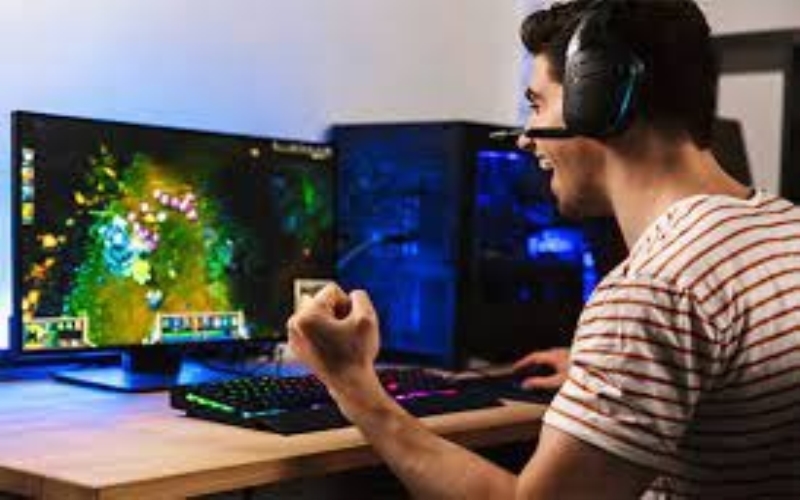
Online gaming has transcended the boundaries of entertainment, evolving into a complex social platform where players not only engage with digital worlds but also interact with people from all walks of life. As multiplayer games grow in popularity, they offer new opportunities for collaboration, communication, and teamwork. While video games were once perceived as isolating, the rise of online gaming has dramatically shifted this view, enabling players to connect, form friendships, and develop valuable social and teamwork skills. This article explores the positive and negative impacts of online gaming on social interaction and teamwork, and how these digital experiences translate into real-life skills.
-
Enhancing Social Interaction: The Role of Online Games in Building Virtual Communities
Online mentoz4d gaming has redefined the way people connect with others. Modern multiplayer games, especially massively multiplayer online games (MMOs) like World of Warcraft, Fortnite, and League of Legends, offer players a shared space to interact in real-time, regardless of geographic location. This ability to connect with people around the world has created a global network of gaming communities, where friendships are forged, and social networks thrive.
Global Connections and Cultural Exchange
One of the most significant impacts of online gaming is the way it facilitates cross-cultural communication. In games with international player bases, such as Dota 2 or Counter-Strike: Global Offensive, players from different countries and backgrounds regularly collaborate to achieve a common goal. Through voice chat, messaging, and in-game actions, players communicate and build relationships that transcend language barriers.
By teaming up with players from different cultures, players gain exposure to diverse perspectives and customs, fostering a sense of global community. Many games also feature in-game events and celebrations that reflect various cultural traditions, providing additional opportunities for cultural exchange and learning.
Building Friendships and Social Networks
For many gamers, the social aspect of online gaming is a major draw. Games like Minecraft, Apex Legends, and Valorant enable players to form lasting friendships, sometimes even leading to real-world meetups. The guilds, clans, and teams in many games serve as virtual communities where players share common interests, coordinate strategies, and support each other both in and outside of the game. These connections can evolve beyond the gaming world, with players chatting on social media, sharing hobbies, or even supporting each other during challenging life events.
As a result, online gaming often fosters a sense of belonging that might be difficult to find in other areas of life. Whether playing casually or engaging in competitive play, the shared experiences and interactions within online games can create meaningful and lasting relationships.
-
Developing Teamwork and Communication Skills through Online Gaming
While online games provide entertainment and socialization, they also play a pivotal role in developing teamwork and communication skills. Games, especially competitive multiplayer games, often require players to work in teams, strategize, and communicate effectively to achieve success. These elements of teamwork are integral to the gaming experience and can have a profound impact on personal and professional development.
Collaborative Gameplay: Coordinating Strategies and Roles
In many online games, players must work together to accomplish objectives, whether it’s completing a mission in Overwatch, coordinating attacks in League of Legends, or surviving waves of enemies in Call of Duty: Warzone. The necessity of teamwork is a fundamental aspect of these games, with each team member often taking on a specific role, such as a healer, damage-dealer, or defender. Success in these games relies on the ability to coordinate actions, communicate effectively, and support teammates.
In games like Rainbow Six Siege or Valorant, where precision and strategy are key, players need to devise and execute complex tactics. This requires constant communication, trust, and a willingness to adapt to changing circumstances. The ability to function as a cohesive unit, even under pressure, is something players learn through experience, and these skills can be directly applied to team-based environments in real life.
Improving Communication and Conflict Resolution
Online gaming also provides a platform to improve communication skills. Whether through voice chat, text, or in-game commands, players must express their intentions clearly and concisely, especially in high-stakes situations. This frequent communication cultivates the ability to give and receive instructions, delegate tasks, and respond to feedback in real-time.
Moreover, as players encounter different personalities, they learn how to navigate conflicts and disagreements, which are common in competitive gaming environments. In games like Fortnite or PUBG, players may clash over strategies or decisions, but effective communication and compromise are necessary for team success. This environment teaches players how to deal with criticism constructively, mediate disputes, and build teamwork through collaboration.
Leadership and Decision-Making Skills
In team-based games, leadership plays a critical role in guiding the group toward victory. Many online games, particularly MMOs and real-time strategy games, require one or more players to take on leadership roles, making decisions that affect the team’s success. These decisions often involve quick thinking, adaptability, and the ability to manage resources and people effectively.
For example, a League of Legends captain may need to make critical calls regarding in-game objectives, rotations, or positioning, while ensuring that team morale stays high. These experiences can enhance decision-making skills, helping players learn how to assess situations under pressure, communicate their plans effectively, and motivate their team to perform at their best.
-
The Dark Side: Negative Social Interaction and Team Dynamics
While online gaming offers numerous benefits in terms of social interaction and teamwork development, it’s important to acknowledge the negative side of these experiences. Toxic behavior, cyberbullying, and communication breakdowns are unfortunately common in some online gaming communities. Players can sometimes encounter hostile or discouraging environments, particularly in competitive games where emotions run high.
Toxic behaviors, such as flaming, griefing, and teaming, can create a negative experience for players, undermining the social and collaborative aspects of gaming. However, many game developers are now implementing tools and systems to address these issues, such as reporting mechanisms, player behavior monitoring, and community moderation.
Balancing Social Interaction and Teamwork
The key to fostering positive social interaction and teamwork in online gaming lies in building supportive, respectful communities. Many games now feature systems for recognizing and rewarding good sportsmanship and teamwork, further encouraging players to engage in a manner that promotes cooperation rather than division.
Conclusion
Online gaming has fundamentally transformed the way we interact with others and develop crucial life skills. Through collaborative gameplay and communication, players are not only forming friendships but also learning to work as a team, resolve conflicts, and lead others. While there are challenges associated with online gaming communities, the positive impact on social interaction and teamwork skills cannot be denied. As online gaming continues to grow and evolve, its role in shaping social and professional development will only increase, proving that the digital realm can be a powerful tool for building connections and life skills.