The Impact of Overloading Your Ship’s Deck Crane and How to Avoid It

Deck cranes are vital for handling cargo on ships, making loading and unloading much easier and faster. But when these cranes are overloaded, it can lead to serious issues. That’s why it’s so important to ensure proper use. Partnering with a trusted marine company in Singapore can help keep everything running smoothly. In this article, we’ll look at the impact of overloading deck cranes and how to avoid it.
The Purpose of Deck Crane in Ships
Deck cranes play a vital role in ships by helping load and unload various types of cargo, such as containers and heavy equipment. These cranes are designed to lift heavy loads quickly and safely, making them essential for efficient operations. They allow crews to move goods with minimal effort and ensure everything is handled properly. This efficiency keeps the ship on schedule and prevents delays in the supply chain.
Without deck cranes, cargo handling would become a slow and challenging process. Lifting heavy items manually or with limited equipment would take far more time and require more labour. This would also increase the risk of accidents and damage to the cargo. Simply put, deck cranes make operations smoother, faster, and safer, which is why they’re a crucial part of modern shipping.
Overloading Deck Cranes: The Impact
Overloading a deck crane can lead to a range of serious problems that extend beyond just the crane itself. When a crane is overloaded, it places excessive strain on its structure, which can cause mechanical failures or even structural damage. This not only puts the crane out of commission but also creates risks for the crew. An overloaded crane is more likely to malfunction, leading to safety hazards such as dropped cargo or crane collapse.
Structural Damage to the Crane and Ship
When a crane is overloaded, it puts too much strain on both the crane and the ship’s deck. This can lead to cracks, bends, or even full-on structural damage to the crane. The ship’s deck may also suffer under the extra weight. This damage isn’t just a hassle—it can lead to expensive repairs and longer downtime.
Safety Hazards for Crew Members
Overloading is risky for the crew. If a crane fails or malfunctions under too much weight, the results can be dangerous. Loads may drop unexpectedly, or the crane could lose control. This increases the chances of serious accidents, injuries, or worse. Crew safety is always the priority, so keeping cranes within their limits is essential.
Decreased Crane Lifespan and Increased Maintenance Costs
Pushing a deck crane too hard shortens its lifespan. Over time, the extra strain leads to faster wear and tear, meaning the crane will need more repairs. This can quickly add up in maintenance costs. It could even force you to replace the crane sooner than expected, which is far from ideal.
Impact on Ship Stability and Performance
Overloading doesn’t just affect the crane; it also messes with the ship’s balance. When the crane lifts more than it should, it can throw off the ship’s stability. This makes the ship harder to control and less efficient. In the worst cases, it could lead to dangerous conditions at sea, making the ship harder to navigate.
Tips for Avoiding Damage
A small ship at the dock using cranes
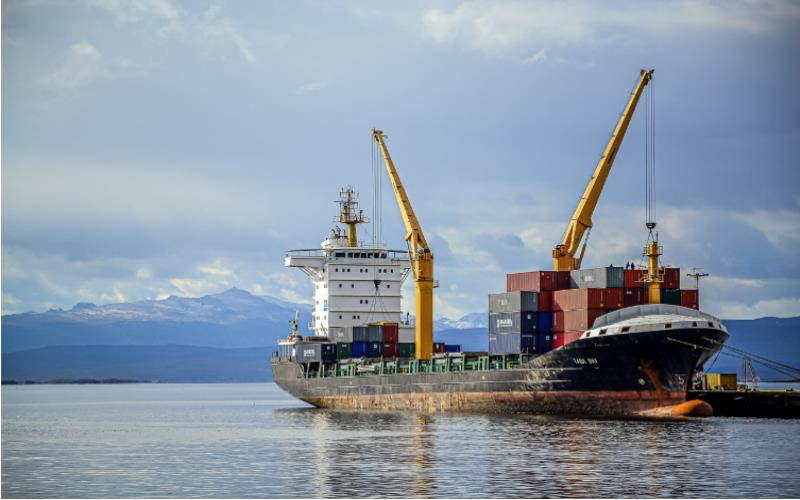
To ensure deck cranes stay in top condition, keep these tips in mind:
- Regular inspections and maintenance: Catch issues early to avoid costly repairs and downtime.
- Proper training for operators: Ensure operators understand the crane’s limits and how to use it safely.
- Adhere to load limits: Always stick to the recommended load capacity to prevent strain on the crane.
- Use load monitoring systems: Track crane loads in real-time to avoid overloading.
- Work with reputable marine services: Partner with experienced marine companies in Singapore for expert maintenance and advice.
By following these steps, you can protect your equipment, ensure safety, and avoid expensive damage.
Final Thoughts
Overloading deck cranes can lead to serious problems for the ship, the crane, and the crew. By following safety guidelines and working with trusted experts, you can avoid these risks. Keeping the crane in good shape and staying within limits ensures smooth, safe operations every time. Stay on top of crane safety to avoid costly mistakes and keep everything running smoothly.