The Impact Of Technology On Certified Public Accounting Practices
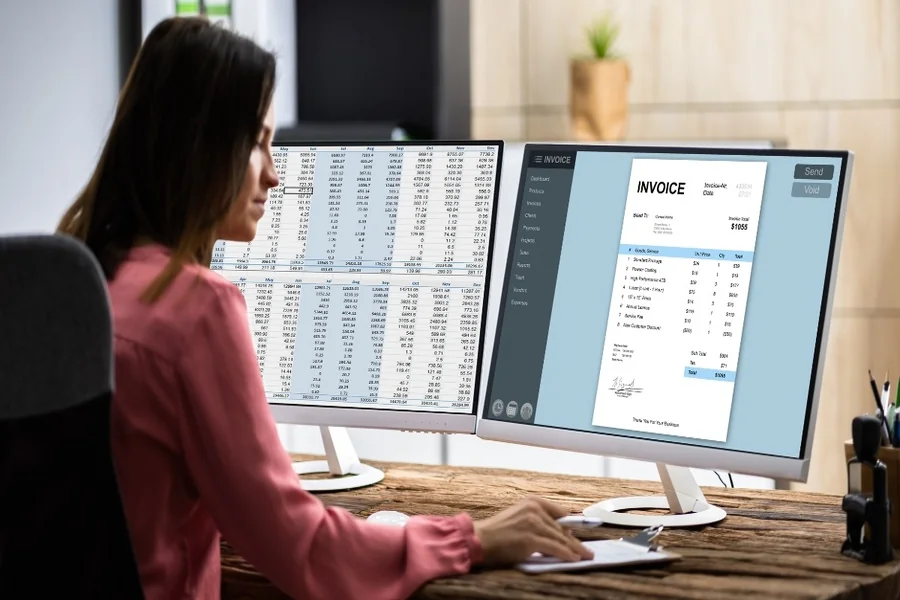
Technology reshapes how you approach certified public accounting. It changes day-to-day tasks and long-term strategies. Digital tools now offer more accuracy, speed, and security. You can handle complex calculations quickly, which frees up time for more insightful work. For a tax accountant Alexandria, this means less time sifting through papers and more time advising clients. Software now detects patterns and errors that were easy to miss before. Clients expect swifter responses and insights. Your collaboration with clients also improves. You can now share secure files and notes with ease. This ensures everyone stays informed and aligned. Adapting to these tools is essential. Falling behind can affect your practice. Embrace these changes. You gain more than just efficiency. You gain credibility and trust. Understanding how to use technology becomes a crucial part of your role. This shift isn’t just about convenience. It’s about elevating how you serve your clients.
Key Benefits of Technology in Accounting
- Enhanced Accuracy
- Time Efficiency
- Improved Security
First, enhanced accuracy is a major benefit. Mistakes in calculations are significantly reduced. For example, spreadsheets and specialized software flag discrepancies. This means fewer errors and less stress. You can focus on delivering valuable insights.
Next, consider time efficiency. Automated processes replace tedious manual tasks. Income calculations and tax return preparations are now faster. This saves precious time, which you can use for strategic planning and client interaction.
Improved security is another advantage. Digital tools offer secure data storage. Encryption and two-factor authentication protect client information. This level of security builds trust and meets compliance requirements.
Challenges of Adopting Technology
While technology brings many benefits, challenges arise too. Initial costs for software and training can be high. Not every firm can easily manage these expenses. Staying updated with continuous tech changes is another hurdle. Regular updates and new systems require ongoing attention and learning.
Adapting to these changes involves a learning curve. Not all team members might be comfortable with new tools. You need to invest time in training and support. Collaboration with tech experts may also be necessary.
A Simple Comparison Table
| Traditional Accounting | Technology-Driven Accounting |
|---|---|
| Manual calculations | Automated calculations |
| Paper-based filing | Digital filing systems |
| High risk of errors | Low risk of errors |
Real-World Example
Consider the implementation of cloud-based accounting. Firms that adopt cloud solutions report significant savings and improved client interactions. Cloud technology allows you to access data anytime, anywhere. This offers flexibility and real-time updates, enhancing decision-making. According to a study by the American Institute of CPAs, cloud adoption improves client satisfaction and operational efficiency.
IRS E-filing: A Case Study
The e-filing system introduced by the IRS revolutionized tax filing. It offers a quick, accurate, and secure method for submitting tax returns. This system reduces paperwork and processing time. You experience a seamless and efficient tax filing process.
E-filing also enhances accuracy. Automated checks help detect errors early. This minimizes rejections and ensures timely submissions. The IRS e-filing success exemplifies how technology can transform traditional practices.
Final Thoughts
Technology continues to transform public accounting. It enhances how you work, improves accuracy, and strengthens client relationships. Adapting to these advancements is not optional. It is necessary for ensuring success and growth. As you embrace these changes, you position yourself as a forward-thinking, reliable advisor. The future of accounting is now, and it promises a more efficient, secure, and client-focused approach to financial management.